Theopolis Logo

Writing

Explore our collection of theological essays, biblical studies, and reflections on faith and culture.

See all
cloister

Gatekeepers

1 Chronicles 9:1 seems to bring the genealogies of 1 Chronicles to an end. The Chronicler has recorded the genealogy of the human race from Adam, focusing on the descendants of Abraham through Jacob. Summing it all up, he says, “So all Israel was enrolled by genealogies; and behold, they…

by Peter LeithartJune 21, 2016
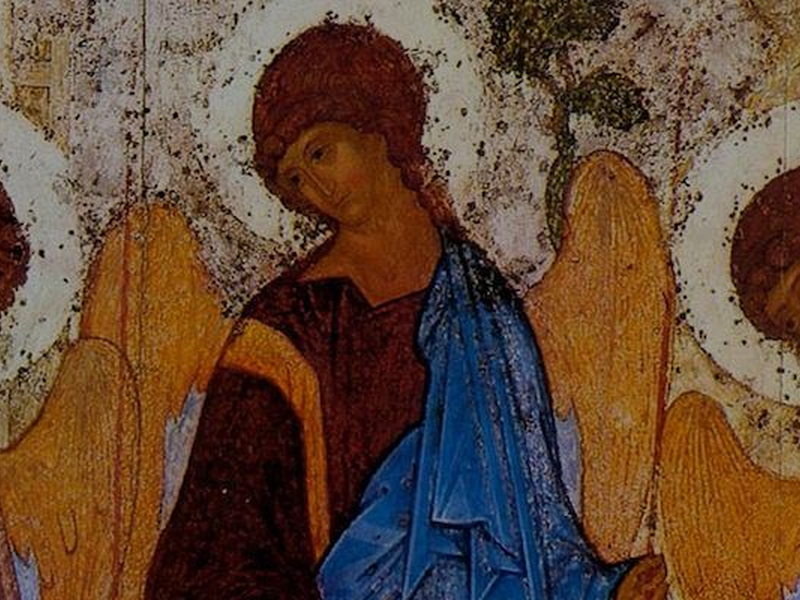
trinity-1-2
Trinity

Are the Divine Persons Persons?

The “personalist” understanding of the Trinity, articulated most influentially in the work of John Zizioulas, has fallen on hard times. Recent scholars have attacked Zizioulas’s idea that Cappadocian Trinitarianism represented an ontological revolution, hammering on the distinction between divine and human personhood. Michel Barnes’s conclusion is the most drastic of…

by Peter LeithartJune 16, 2016
img_4660-2
Architecture

On Biblical Theology

Biblical Theology is often defined as the historical unfolding of God’s revelation, or of God’s revelation and of the history of his covenantal redemption and transformation of humanity and the world. In practice, Biblical Theology is usually broader than this, and also includes the study of literary structure and of…

by James B. JordanJune 14, 2016
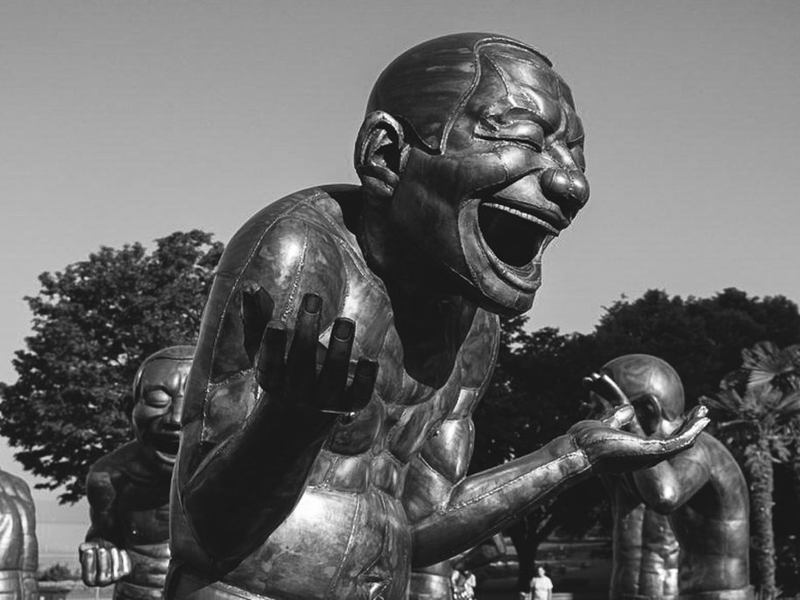
laughing_statue_by_xxbobbiie-d5f0meh-2
Humor

Wise Laughter

We are made to be happy. Created to enter into the eternal joy of God, our whole being inclines to that end, but the fallen world has put forth barriers and by our own sin we bar ourselves from that endless delight, and death blinds us to that reality. Yet…

by Remy WilkinsJune 7, 2016
img_7664
Liturgy

Why Theopolis? Take Two

At the end of Revelation, John sees the heavenly city descending to earth. The city shines with the brilliance of God's glory, which lightens the nations, so that kings bring their glory to the city. This is not a vision of the final new heaven and new earth. It's a…

by Peter LeithartJune 2, 2016
trinity-1-2
Attributes of God

How Can We Talk About God?

“No one has ever seen God,” writes John (John 1:18). If this is the case, then how can we speak about God? Some people say we actually cannot. Or at least we cannot speak about God positively, i.e. who He is. We can only say who or what God is…

by Bogumil JarmulakMay 31, 2016

Showing page 130 of 309

See all
See all
History

A Christian Vice?

In a 1917 article, Joseph William Hewitt notes that the Greeks did not view ingratitude with the same horror as modern writers (among modern writers, he lists Thomas Elyot, Shakespeare, and the Spectator ). From the sixteenth century to the early twentieth, “we find a deep, indeed an extreme, horror…

December 20, 2006
History

Rejoinders

Kenneth Burke wisely remarks that “Every document bequeathed us by history must be treated as a strategy for encompassing a situation,” an “answer or rejoinder to assertions current in the situation in which it arose.” He goes on to compare our entry into history to a late arrival to a…

December 20, 2006
Philosophy

Anti-Linguistic Turn

Philosophers claim that European/American thought has gone through a linguistic turn in the last several decades. The truth is the opposite. Rorty says, “The world does not speak. Only we do. The world can, once we have programmed ourselves with a language, cause us to hold beliefs. But it cannot…

December 19, 2006

Sermon notes, Fourth Sunday of Advent

INTRODUCTION While Herod and Jerusalem fear the news of the birth of Jesus, the Magi worship Him and rejoice (2:10). Here is another inversion of the original exodus story, and a preview of the gospel story: Jews reject their deliverer, but the Gentiles embrace Him. THE TEXT “Now after Jesus…

December 18, 2006

Eucharistic meditation, Third Sunday of Advent

1 Corinthians 10: Is not the cup of blessing which we bless a sharing in the blood of Christ? Is not the bread which we break a sharing in the body of Christ? Since there is one loaf, we who are many are one body; for we all partake of…

December 17, 2006

Exhortation, Third Sunday of Advent

For most Americans, Christmas means warm feelings, forgiveness, kindness, generosity. It means putting our differences aside and getting along. Celebrating Christmas means celebrating liberalism and toleration. As in so many ways, our celebration of Christmas borrows scraps from the table of Christian faith. We like “peace on earth, good will…

December 17, 2006

Showing page 1751 of 2212

Browse by Category

In Medias Res

Your weekly digest for all things Theopolis.

Donate

Theopolis is nearly 100% donor-supported. Consider joining us on our mission.