Theopolis Logo

Writing

Explore our collection of theological essays, biblical studies, and reflections on faith and culture.

See all
cloister

Gatekeepers

1 Chronicles 9:1 seems to bring the genealogies of 1 Chronicles to an end. The Chronicler has recorded the genealogy of the human race from Adam, focusing on the descendants of Abraham through Jacob. Summing it all up, he says, “So all Israel was enrolled by genealogies; and behold, they…

by Peter LeithartJune 21, 2016
trinity-1-2
Trinity

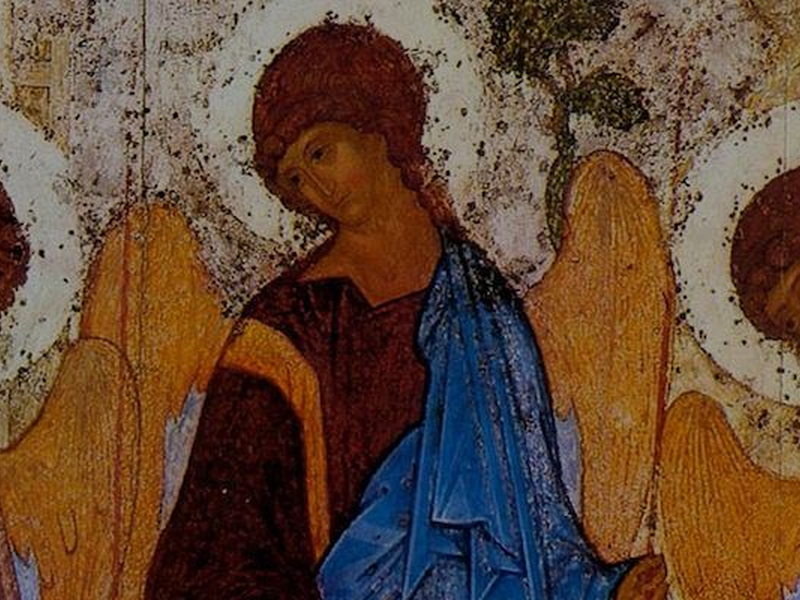
Are the Divine Persons Persons?

The “personalist” understanding of the Trinity, articulated most influentially in the work of John Zizioulas, has fallen on hard times. Recent scholars have attacked Zizioulas’s idea that Cappadocian Trinitarianism represented an ontological revolution, hammering on the distinction between divine and human personhood. Michel Barnes’s conclusion is the most drastic of…

by Peter LeithartJune 16, 2016
img_4660-2
Architecture

On Biblical Theology

Biblical Theology is often defined as the historical unfolding of God’s revelation, or of God’s revelation and of the history of his covenantal redemption and transformation of humanity and the world. In practice, Biblical Theology is usually broader than this, and also includes the study of literary structure and of…

by James B. JordanJune 14, 2016
laughing_statue_by_xxbobbiie-d5f0meh-2
Humor

Wise Laughter

We are made to be happy. Created to enter into the eternal joy of God, our whole being inclines to that end, but the fallen world has put forth barriers and by our own sin we bar ourselves from that endless delight, and death blinds us to that reality. Yet…

by Remy WilkinsJune 7, 2016
img_7664
Liturgy

Why Theopolis? Take Two

At the end of Revelation, John sees the heavenly city descending to earth. The city shines with the brilliance of God's glory, which lightens the nations, so that kings bring their glory to the city. This is not a vision of the final new heaven and new earth. It's a…

by Peter LeithartJune 2, 2016
trinity-1-2
Attributes of God

How Can We Talk About God?

“No one has ever seen God,” writes John (John 1:18). If this is the case, then how can we speak about God? Some people say we actually cannot. Or at least we cannot speak about God positively, i.e. who He is. We can only say who or what God is…

by Bogumil JarmulakMay 31, 2016

Showing page 130 of 309

See all
See all
Biblical Studies

Scripture’s eloquence

De Lubac cites this passage near the beginning of his Medieval Exegesis : “The eloquence of Sacred Scripture takes many shapes, and its meanings are many and varied. For this reason someone has said: He compares things that are celestial with things that are earthly, so that likenesses that we…

December 7, 2006

Sadnesses

In his study of the influence of medievalism on postmodern theory, Bruce Holsinger briefly reviews the reception of de Lubac’s work: “a number of his books were officially withdrawn from institutional libraries across the Catholic world, hundreds of copies of the just-published Corpus Mysticum lay rotting in a Lyons warehouse,…

December 7, 2006

Sermon Notes, Second Sunday of Advent

INTRODUCTION Jesus’ birth was announced by angelic choirs. It was also greeted by shepherds, to whom the angels first announced the birth of the Christ. Why would the news go to shepherds first? THE TEXT “And it came to pass in those days that a decree went out from Caesar…

December 5, 2006

Eucharistic meditation, First Sunday of Advent

John 7:37-38: Now on the last day, the great day of the feast, Jesus stood and cried out, saying, If any many is thirsty, let him come to Me and drink. He who believes in Me, as the Scripture says, from his innermost being will flow rivers of living water.…

December 3, 2006

Exhortation, First Sunday of Advent

When Jesus ascended into heaven, He poured out His Spirit on the church. According to Paul, He also gave gifts to men. These gifts included apostles, prophets, evangelists, pastors, and teachers, given to the church to equip the saints for their work of service. Paul gives us this picture of…

December 3, 2006
Biblical Studies

Philosopher or poet?

The doctrine of accommodation (which is rife in the tradition, as basic to Thomas as to Calvin) says: When God speaks in His natural voice, He speaks like a philosopher. He speaks like a poet in Scripture because He’s dumbing it down for humans imprisoned in a sensible world. Scripture,…

December 1, 2006

Showing page 1756 of 2212

Browse by Category

In Medias Res

Your weekly digest for all things Theopolis.

Donate

Theopolis is nearly 100% donor-supported. Consider joining us on our mission.