Theopolis Logo

Writing

Explore our collection of theological essays, biblical studies, and reflections on faith and culture.

See all
img_5862
Culture

Birmingham Life and Culture Series

There’s something about joy that is infectious. And occasionally, we all have the opportunity to be in someone’s presence who is so happily engaged in their work, so joyous in their pursuits, that we want to learn from them. We want to know where that joy comes from and attain…

by Brian MoatsOctober 23, 2015
img_6077
How to Worship

How To Change the World, (Part 1)

Jesus has told us that He intends all nations to be discipled. Nations. Not just individuals. All nations as theocracies. That being the case, the Church exists for the life of the world. Being baptized is not only a matter of becoming part of a new family, it is also…

by James B. JordanOctober 22, 2015
branagh-macbeth
Literature

Adam, Saul, Macbeth

Harold Bloom’s essay on Macbeth includes the kind of penetrating insights that make Bloom the great Shakespearean scholar that he is, but it also includes his typical and intense anti-Christian bias. “If Lear was pre-Christian, then Macbeth is weirdly post-Christian. There are, as we have seen, Christian intimations that haunt…

by Ralph Allan SmithOctober 20, 2015
bowls
Revelation

Inverted Atonement

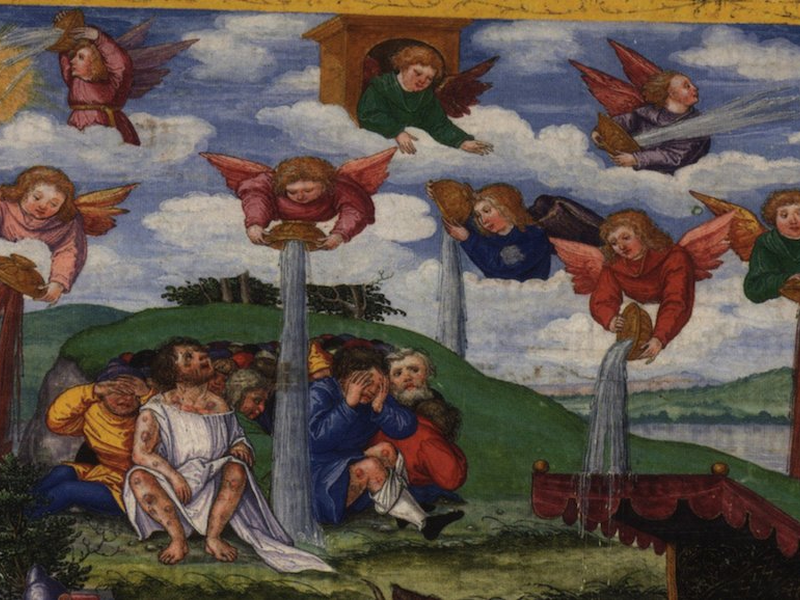
Revelation 16 is a day of atonement text. The tabernacle of the testimony has been opened (15:5). The angels who receive the bowls are clothed in linen (15:6), the clothing of the high priest when he goes into the sanctuary on the day of atonement (Leviticus 16:4). The temple is…

by Peter LeithartOctober 15, 2015
img_9025
Biblical Studies

Music and Hermeneutics

From time to time, when I’ve lectured on how to read the Bible, I’ve used art-music as one example thereof. When we listen to a simple folk song, we hear the same melody over and over again, but this is not how composers write "high" music. Let me amplify. A…

by James B. JordanOctober 13, 2015
schlanger_jonah_prison_090913_620px
Biblical Studies

In the Fish: The Church as Tomb

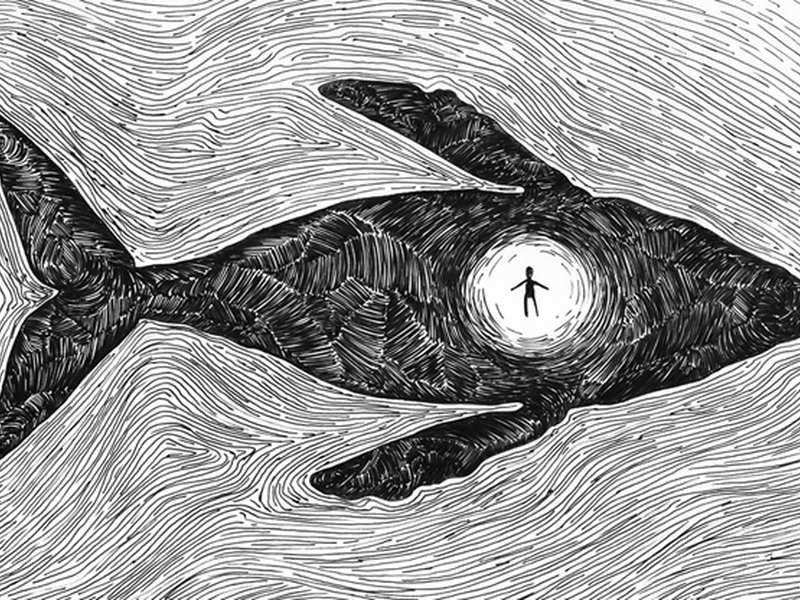
"For just as Jonah was three days and three nights in the belly of the sea-monster, so will the Son of Man be three days and three nights in the heart of the earth" (Matthew 12:40). Some reflections on Jonah’s Big Fish have led to the following essay. Let me…

by James B. JordanOctober 8, 2015

Showing page 142 of 309

See all
See all
Philosophy

Hyper-Cartesians

Walter Truett Anderson suggests that postmoderns may be distinguished from others by the fact that they not only have a culture, but know that they have it. Or, put differently: “You do not choose to be premodern. If you choose, you are at least modern. If you know you are…

November 9, 2006
Politics

Therapeutic politics

Christopher Lasch pointed to the therapeutic dimensions of 1960s radicalism: “Acting out fantasies does not end repressions . . . it merely dramatizes the permissible limits of antisocial behavior. In the sixties and early seventies, radicals who transgressed these limits, under the illusion they were fomenting insurrection or ‘doing gestalt…

November 9, 2006
Politics

PR Politics

Clem Whittaker, a pioneer in the political use of media during the 1930s and 40s, candidly explained his theory of campaigning in a speech to the PUblic Relations Society of America: “There are thousands of experts bidding for every man’s attention - and every man has a limited amount of…

November 9, 2006
History

Pseudo-war

Walter Truett Anderson points to the US invasion of Grenada (1983) as an example of a postmodern public-relations war: “its primary purpose was to give the American public a ‘win,’ to flex the muscles of the Reagan administration, to allow Americans to (in the phrase current at the time) ‘feel…

November 9, 2006

Poet or poem revisited

A reader, Dan Glover, sent the following response to my hints about the Christian as “poem.” “Christ, the eternal Word, indwells his people and his people corporate. He is the Word which controls us with his words (‘go, make disciples . . . baptizing them in the name of the…

November 9, 2006
History

Social Construction

Walter Truett Anderson suggests that postmodernism takes is rise from the recognition of the social construction of reality. This means: The institutions, practices, and habits that make up the contents of social life are made by human beings; and even natural reality is known and experienced through a linguistic and…

November 9, 2006

Showing page 1766 of 2212

Browse by Category

In Medias Res

Your weekly digest for all things Theopolis.

Donate

Theopolis is nearly 100% donor-supported. Consider joining us on our mission.