Theopolis Logo

Writing

Explore our collection of theological essays, biblical studies, and reflections on faith and culture.

See all
little-girl
Children

Honor God With Your Body

I am making a new rule in our house! We are actually kind of skimpy on the house rules. I try very hard to keep things simple: love God, love others, be joyful. It’s not complicated to avoid discipline here. But I have found myself repeating this new rule over…

by Lindsey TollefsonApril 9, 2015

giotto-noli-me-3
John

The Gardener and the Beloved, (Part 3)

Click HERE for Part 2 The voice of Jesus transforms and changes Mary when she hears him speak her name. This is her last “turning.” So also the woman in the Song of Songs longs to hear the voice of her beloved. Let me see your face, let me hear…

by Jeff MeyersApril 6, 2015
giotto-noli-me-2
John

The Gardener and the Beloved, (Part 2)

Click HERE for Part 1. The details of this story call the attentive reader back to the drama of Solomon’s Song of Songs. And the Song of Song’s alludes to, ties us into the story of Adam and Eve in the Garden and the promise of a coming Messiah that…

by Jeff MeyersApril 4, 2015
easter-term-2015-2
Theopolis News

Easter Term, 2015

“The course was a paradigm shift for me,” said Jonathan Sedlak, a Milwaukee electrical contractor who attended Theopolis’s course on Revelation. “I am left with a book that is far more practical than it has ever seemed before.” Jonathan Anderson of Louisville, Kentucky found the course “refreshing.” “I finished with…

by TheopolisApril 2, 2015
psalm-singing
Genesis

Worship as Response: Liturgical Logic, (Part 1)

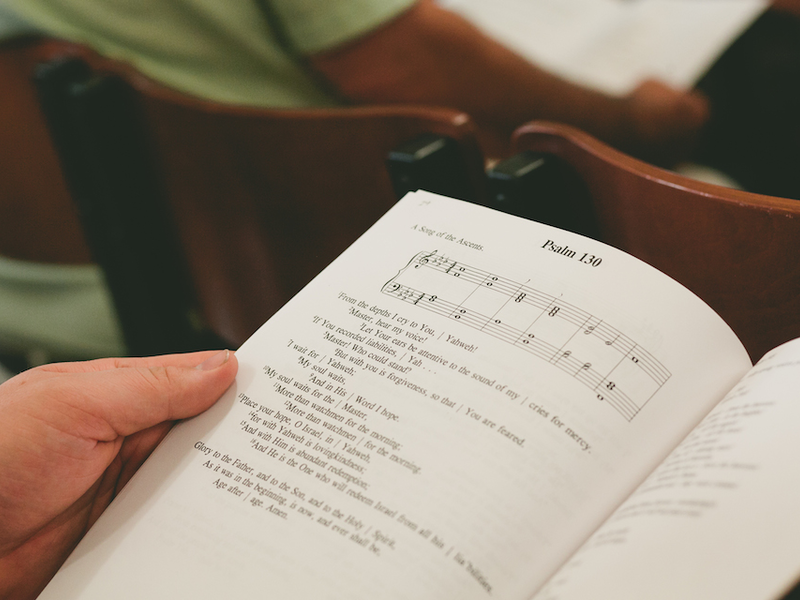
“It is only by participation in a rational, practice-based community that one becomes rational.” – Alasdair MacIntyre It may be perfectly clear to a chef why adding unsifted powdered sugar to a hot frosting is a bad idea. But for an amateur cook, this may be the kind of rule…

by Jonathan BarlowApril 2, 2015
giotto-noli-me
John

The Gardener and the Beloved, (Part 1)

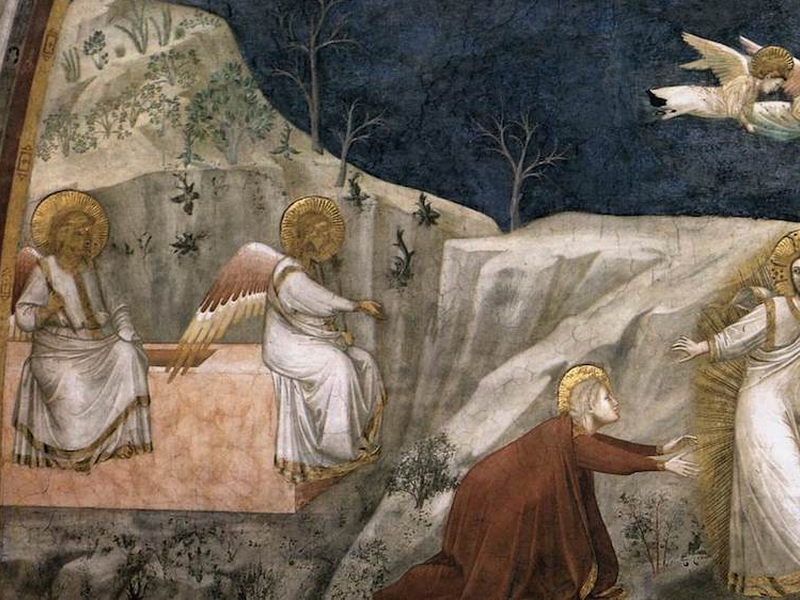
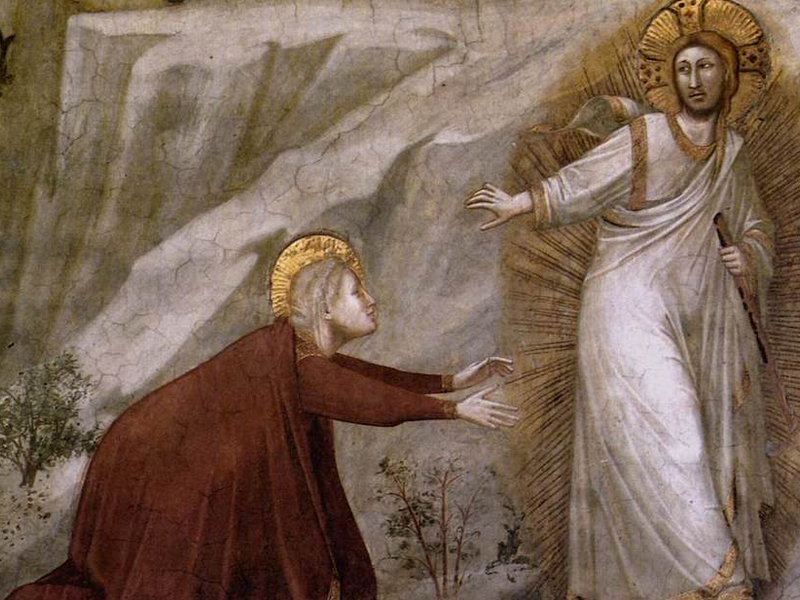
On a fresco in a chapel in Padua, Italy, there is a famous painting depicting the dramatic post-resurrection scene in John 20 with Mary and Jesus outside of the garden tomb. Giotto di Bondone painted it in the early 14th century. Jesus is striding from the tomb with a victor’s…

by Jeff MeyersApril 1, 2015

Showing page 156 of 309

See all
See all
Philosophy

Hyper-Cartesians

Walter Truett Anderson suggests that postmoderns may be distinguished from others by the fact that they not only have a culture, but know that they have it. Or, put differently: “You do not choose to be premodern. If you choose, you are at least modern. If you know you are…

November 9, 2006
Politics

Therapeutic politics

Christopher Lasch pointed to the therapeutic dimensions of 1960s radicalism: “Acting out fantasies does not end repressions . . . it merely dramatizes the permissible limits of antisocial behavior. In the sixties and early seventies, radicals who transgressed these limits, under the illusion they were fomenting insurrection or ‘doing gestalt…

November 9, 2006
Politics

PR Politics

Clem Whittaker, a pioneer in the political use of media during the 1930s and 40s, candidly explained his theory of campaigning in a speech to the PUblic Relations Society of America: “There are thousands of experts bidding for every man’s attention - and every man has a limited amount of…

November 9, 2006
History

Pseudo-war

Walter Truett Anderson points to the US invasion of Grenada (1983) as an example of a postmodern public-relations war: “its primary purpose was to give the American public a ‘win,’ to flex the muscles of the Reagan administration, to allow Americans to (in the phrase current at the time) ‘feel…

November 9, 2006

Poet or poem revisited

A reader, Dan Glover, sent the following response to my hints about the Christian as “poem.” “Christ, the eternal Word, indwells his people and his people corporate. He is the Word which controls us with his words (‘go, make disciples . . . baptizing them in the name of the…

November 9, 2006
History

Social Construction

Walter Truett Anderson suggests that postmodernism takes is rise from the recognition of the social construction of reality. This means: The institutions, practices, and habits that make up the contents of social life are made by human beings; and even natural reality is known and experienced through a linguistic and…

November 9, 2006

Showing page 1766 of 2212

Browse by Category

In Medias Res

Your weekly digest for all things Theopolis.

Donate

Theopolis is nearly 100% donor-supported. Consider joining us on our mission.