Theopolis Logo

Writing

Explore our collection of theological essays, biblical studies, and reflections on faith and culture.

See all
indiana-protests
American Politics

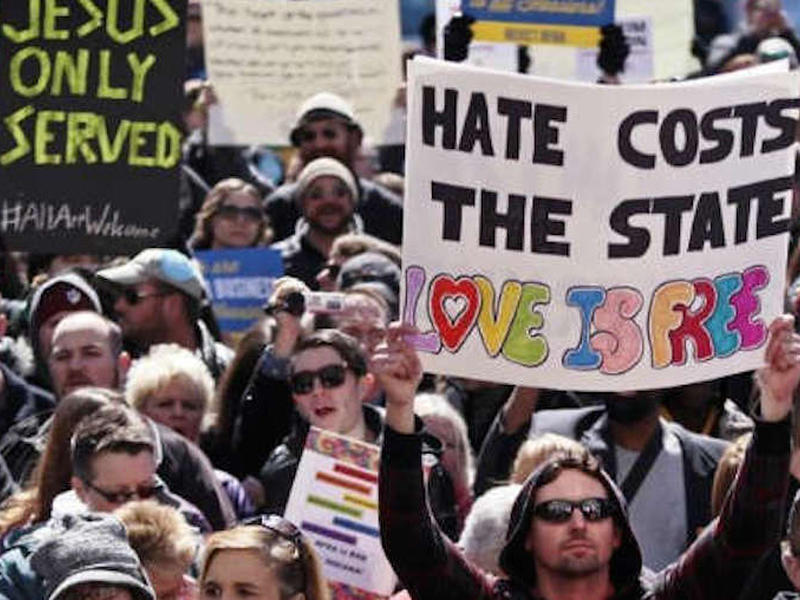
In Whom Do We Trust?

"Put not your trust in princes, in a son of man, in whom there is no salvation. When his breath departs, he returns to the earth; on that very day his plans perish. Blessed is he whose help is the God of Jacob, whose hope is in the Lord his…

by Gregory LaughlinMarch 31, 2015
macbeth
Literature

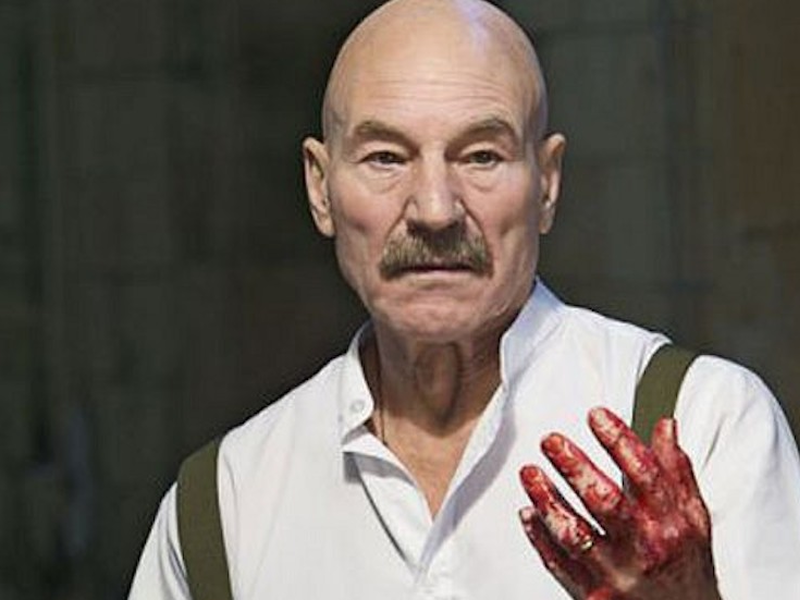
Macbeth and Nihilism

When it comes to the interpretation of Shakespeare, Harold Bloom is my favorite enemy. His writing is brilliant, his knowledge of things Shakespearean encyclopedic, and the insights he offers may puzzle, startle, or amaze, but they always educate. How then can he be an enemy? Because his anti-Christian bias is…

by Ralph Allan SmithMarch 31, 2015
london
Theopolis News

Theopolis in the UK

Theopolis President Peter Leithart spent the last week of March lecturing on worship and sacraments in England. He delivered four lectures on liturgy in Bolton, a town north of Manchester, arguing that Christian worship must be worship fit for the king and fit for the kingdom that has come in…

by TheopolisMarch 31, 2015
claudel-rheault-zvbv1aka-l4-unsplash
Creation

Heavenizing Earth: Eschatology in the Beginning

When we think about eschatology, we think immediately of Daniel, of Matthew 24-25, of 1 Corinthians 15 and 2 Thessalonians 2, and of course of Revelation. We don’t, I suspect, think about Genesis. Perhaps Genesis 3:15, with its promise of the woman’s seed, would come to mind. So might the…

by John BarachMarch 26, 2015
baptism
Baptism

Baptism as Exorcism

Alexander Schmemann in his book, Of Water and the Spirit, expounds the question that appears in nearly all the older baptismal liturgies, “Do you renounce the devil and all his works, the vain pomp and glory of the world and all sinful lusts of the flesh.” This renunciation, according to…

by Steve WilkinsMarch 24, 2015
day-2-ferguson-protests-nationwide
American Culture

Franklin Graham and the Problem of Reaction

Franklin Graham recently posted the following statement on his Facebook page: “Listen up—Blacks, Whites, Latinos, and everybody else. Most police shootings can be avoided. It comes down to respect for authority and obedience. If a police officer tells you to stop, you stop. If a police officer tells you to…

by A. K. ShaukuMarch 20, 2015

Showing page 157 of 309

See all
See all
Philosophy

Hyper-Cartesians

Walter Truett Anderson suggests that postmoderns may be distinguished from others by the fact that they not only have a culture, but know that they have it. Or, put differently: “You do not choose to be premodern. If you choose, you are at least modern. If you know you are…

November 9, 2006
Politics

Therapeutic politics

Christopher Lasch pointed to the therapeutic dimensions of 1960s radicalism: “Acting out fantasies does not end repressions . . . it merely dramatizes the permissible limits of antisocial behavior. In the sixties and early seventies, radicals who transgressed these limits, under the illusion they were fomenting insurrection or ‘doing gestalt…

November 9, 2006
Politics

PR Politics

Clem Whittaker, a pioneer in the political use of media during the 1930s and 40s, candidly explained his theory of campaigning in a speech to the PUblic Relations Society of America: “There are thousands of experts bidding for every man’s attention - and every man has a limited amount of…

November 9, 2006
History

Pseudo-war

Walter Truett Anderson points to the US invasion of Grenada (1983) as an example of a postmodern public-relations war: “its primary purpose was to give the American public a ‘win,’ to flex the muscles of the Reagan administration, to allow Americans to (in the phrase current at the time) ‘feel…

November 9, 2006

Poet or poem revisited

A reader, Dan Glover, sent the following response to my hints about the Christian as “poem.” “Christ, the eternal Word, indwells his people and his people corporate. He is the Word which controls us with his words (‘go, make disciples . . . baptizing them in the name of the…

November 9, 2006
History

Social Construction

Walter Truett Anderson suggests that postmodernism takes is rise from the recognition of the social construction of reality. This means: The institutions, practices, and habits that make up the contents of social life are made by human beings; and even natural reality is known and experienced through a linguistic and…

November 9, 2006

Showing page 1766 of 2212

Browse by Category

In Medias Res

Your weekly digest for all things Theopolis.

Donate

Theopolis is nearly 100% donor-supported. Consider joining us on our mission.