Theopolis Logo

Writing

Explore our collection of theological essays, biblical studies, and reflections on faith and culture.

See all
31-03-0213
Hermeneutics

Apocalyptic Eyes

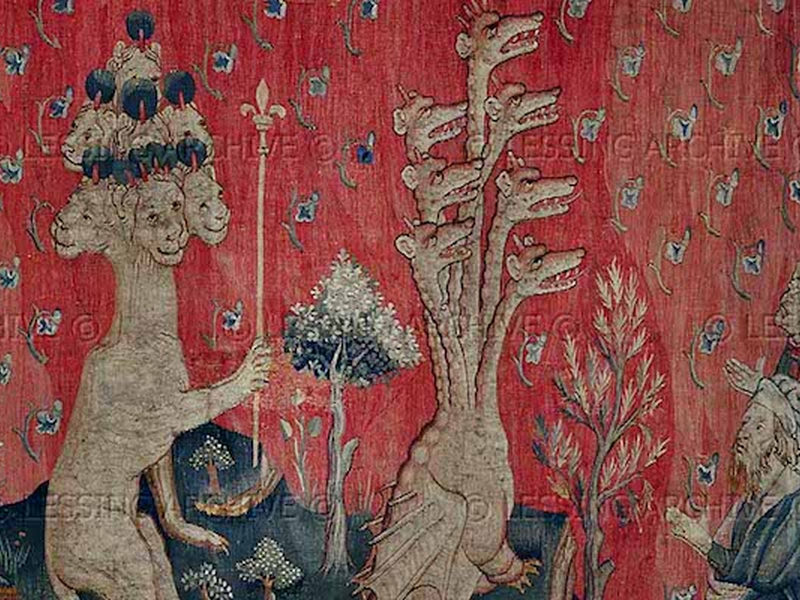
Flying scrolls. Red horses. Beasts coming out of the sea. Winged women. The list goes on. Apocalyptic literature in the Bible is like a cross between science fiction and Marvel comics. And the Bible has a fair bit of this sort of thing. Daniel sees visions in Babylon, Zechariah sees…

by Toby SumpterNovember 4, 2014

bhm-skyline-2
Theopolis News

New Name, New Look

Trinity House Institute has taken a new name, the Theopolis Institute. This striking new name expresses our unique vision and mission and captures the unified purpose behind all our specific programs and activities. We still have Bible, liturgy, and culture in our tagline. We still offer the same courses on…

by TheopolisNovember 4, 2014
istock_000012860926small
Atonement

Not Fearing the Devil

Adam Kotsko offers a socio-political variation on the Christus Victor atonement theory in his 2010 study, The Politics of Redemption: The Social Logic of Salvation . He does this by explaining "the devil" in terms of the Hegelian concept of "objective spirit," Geist . As Kotsko puts it, Geist "refers…

by Peter LeithartOctober 13, 2014
jez-timms-8muutamcwu4-unsplash
Leviticus

The Meaning of Sacrifice

Two factors keep Nahtali Meshel from discussing the meaning of sacrifice until late in his The "Grammar" of Sacrifice . The first has to do with the texts he draws from: "P says little about the meaning of its rituals" (174). The other has to do with the grammatical theory…

by Peter LeithartOctober 8, 2014
jez-timms-8muutamcwu4-unsplash
Leviticus

Praxemics

Chapter 5 of Naphtali Meshel's The "Grammar" of Sacrifice focuses on "praxemics," the physical actions of sacrificial ritual. Praxemes are constituted by six elements: an "atomact," an elementary physical act or gesture; an actor; an object that is acted up; a target for the action and often for the object…

by Peter LeithartOctober 6, 2014
markus-winkler-aid-xyrtlec-unsplash
Leviticus

Jugation and Hierarchy

Two chapters of Naphtali Meshel’s The “Grammar” of Sacrifice cover what he calls “jugation” and “hierarchies.” The first involves the addition of other materials to an animal offering. Jugates include wine, cereal, and oil that are added to the animals (zoemes) that are offered in sacrifice. Some jugates are coordinated…

by Peter LeithartOctober 1, 2014

Showing page 167 of 309

See all
See all

Sermon outline

INTRODUCTION John’s readers are in danger of being misled, and John writes to warn them about false teachers and deceivers. John is confident that his “little children” will be delivered from the deceivers because they have an “anointing” from God. THE TEXT “Little children, it is the last hour; and…

October 31, 2006
Theology

Liberalism

Christopher Insole wants theologians who attack “liberalism” to be more careful about what they’re attacking. He favorably cites Robert Song, who distinguishes the constitutional liberalism of Locke and Kant from the laissez-faire liberalism of Hayek from the welfare liberalism of Hobhouse. Fair enough. But Insole’s own definition of liberalism seems…

October 23, 2006

Eucharistic meditation

1 John 2:15-16: Do not love the world, nor the things in the world. If anyone loves the world, the love of the Father is not in him. When John talks about “the world,” he’s talking, as we’ve seen, about a cultural, social, and political system organized in hostility or…

October 22, 2006

Exhortation

Cultures have traditionally been rivers (Z. Bauman). The current carries everyone along in the same direction, whether or not they like where they’re going. When someone asks, “Why are we going this way?” it’s a sufficient answer to say, “We always have.” The only way to go a different direction…

October 22, 2006
History

Legitimacy of modernity

Modernity arose to tame the chaos and carnage of 16th and 17th-century European wars. To form a Europe reduced to formlessness, modern thinkers and politicians drew boundaries - the boundaries between Protestant and Catholic established in the Peace of Westphalia and the boundaries between religion and political life, among others.…

October 19, 2006
History

High and Low Theater

Katherine Newey suggests that “a class-based divide between popular culture and literary or ‘high,’ remaining to this day, emerged in debates over the reform of the theatre [in the 19th century]. Much of what still endures of the concept of ‘legitimate’ theatre in the early twenty-first century was formed out…

October 18, 2006

Showing page 1773 of 2212

Browse by Category

In Medias Res

Your weekly digest for all things Theopolis.

Donate

Theopolis is nearly 100% donor-supported. Consider joining us on our mission.