Theopolis Logo

Writing

Explore our collection of theological essays, biblical studies, and reflections on faith and culture.

See all
nativity
Advent

The Rough Places Plain

“What’s the fastest route” he asks me as we quickly come to a stop behind a sea of red brake lights. I pull out my phone and map all the options. Every way is red with traffic backed up. Deep down I must be a small town girl because traffic…

by Lindsey TollefsonDecember 24, 2015

markus-winkler-aid-xyrtlec-unsplash
Theopolis News

2015 Letter from the President

Dear Friend of Theopolis, I have signed a stack of documents in the years since we started Theopolis, but my heart jumped a few beats as I looked at the thick lease contract. “This is real,” I thought. “This makes it really real.” Theopolis has been real for nearly three…

by Brian MoatsDecember 23, 2015
trinity-1-3
Books

Headship of Christ and Queens

In the Edenic world of Perelandra, from C.S. Lewis’s Space Trilogy, Ransom notices something about how the Green Lady treats the animals: [1] “There was in her face an authority, in her caresses a condescension, [2] which by taking seriously the inferiority of her adorers made them somehow less inferior…

by Remy WilkinsDecember 22, 2015
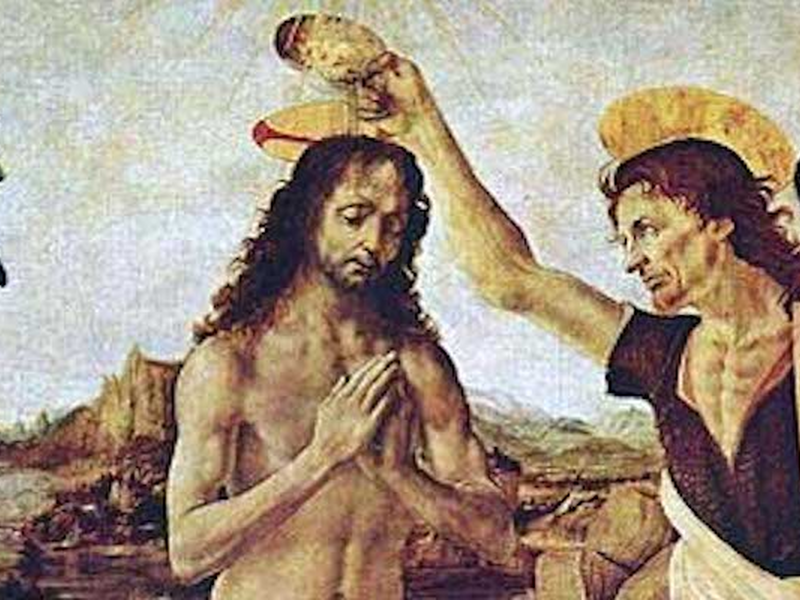
baptism-of-christ
Baptism

Embracing Embodiment: Baptism and the Nuptial Meaning of the Body

In my previous two articles, I argued for the significance of the fact that baptism addresses our bodies in their objectivity. In the body, the self has an existence that runs deeper than our consciousness, decision, self-expression, and action. In washing our passive bodies, baptism seals us with an anticipatory…

by Alastair RobertsDecember 17, 2015
holy-family
Advent

A Child Is Born

Judah is a sinful nation, weighed down with iniquity. They are not the seed of Abraham, but the seed of iniquity. Their worship is abominable to Yahweh, because their hands are covered with innocent blood. They have not done good, or sought justice, or reproved the ruthless, or defended the…

by Peter LeithartDecember 15, 2015
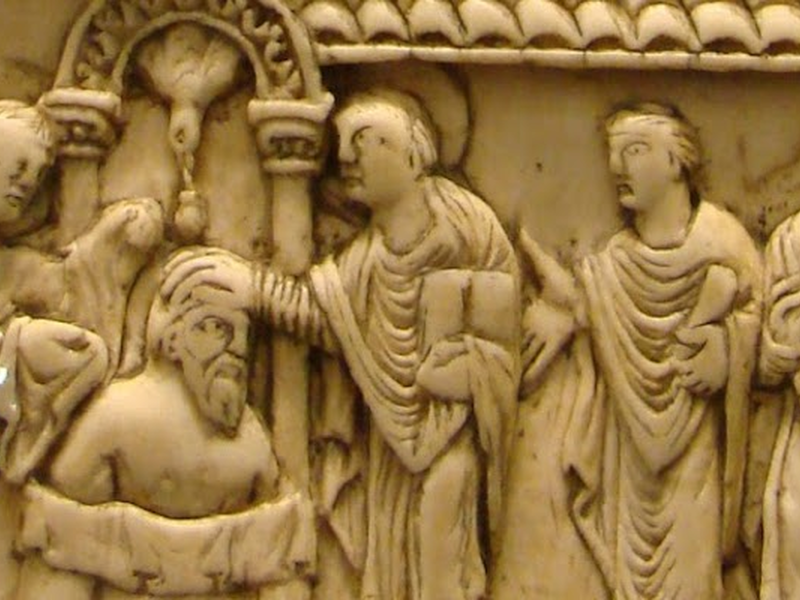
baptism-2
Baptism

Presenting Limbs and Organs: Baptism and Sacrificial Ethics

Although we tend to define ourselves by our subjectivity —our perceptions, thoughts, feelings, decisions, actions—we are frequently forgetful of the objectivity of the self as body, the reality of the self that underlies and precedes all of our subjectivity. The body is the site of our ‘givenness’, where we are…

by Alastair RobertsDecember 10, 2015

Showing page 139 of 309

See all
See all
Literature

The Politics of Playing

Plays might be promoted as a kind of opiate of the masses: Mass entertainment that keeps them from more violent entertainments like rioting and pillaging. This could be problematic, if the entertainments were too heady for most people to follow. Thomas Heywood (1612) suggested that playwrights should “ayme . .…

September 28, 2006
Literature

Shakespeare regulated

How regulated was Shakespeare’s own theater? And for what reasons? Patterson highlights various reasons for closing or permitting theaters: audience composition, including the fear that a large collection of workers might be distruptive; public health; economic concerns; religious and moral concerns, especially Sabbatarian; and “a shifting and elusive imperative to…

September 28, 2006
Literature

American Shakespeare

Shakespeare’s fortunes in the US were, understandably, different from in England. Initially, Shakespeare was America’s most popular playwright, appealing to a wide sector of the American populace. Patterson notes that “by the end of the nineteenth century ‘Shakespeare’ had become a cultural icon, the property only of the ‘legitimate theater,’…

September 28, 2006
Literature

Popular Shakespeare

Annabel Patterson notes ( Shakespeare and the Popular Voice ) that contemporary critics, whatever their own political outlook, assume that Shakespeare was an advocate of Elizabethan hierarchy. This view, however, is a product of the 19th century. Dryden, Johnson, and others criticize Shakespeare for violating the conventions of his genre,…

September 28, 2006
Literature

Courtly Shakespeare, IV

By the 18th century, acting styles also invested Shakespeare with “courtly” virtues of control, dignity, stateliness. Dobson writes, “Shakespearian acting . . . in the decades following Betterton’s death in 1710, seems to have settled into a grandiloquent vein of static declamation, best exemplified by the stout James Quin (1693-1766)…

September 28, 2006
Literature

Courtly Shakespeare, III

Dobson again: “after Charles II’s death in 1685 England would never again have another monarch with such an informed interest in the drama (or, mercifully, such a lascivious one), and deprived of royal patronage and protection the playhouses came under renewed attack from the moralists (led by the redoubtable clergyman…

September 28, 2006

Showing page 1785 of 2212

Browse by Category

In Medias Res

Your weekly digest for all things Theopolis.

Donate

Theopolis is nearly 100% donor-supported. Consider joining us on our mission.