Theopolis Logo

Writing

Explore our collection of theological essays, biblical studies, and reflections on faith and culture.

See all
screen-shot-2020-03-05-at-9-00-10-am
Motherhood

Raising Children in a Gender Confused World

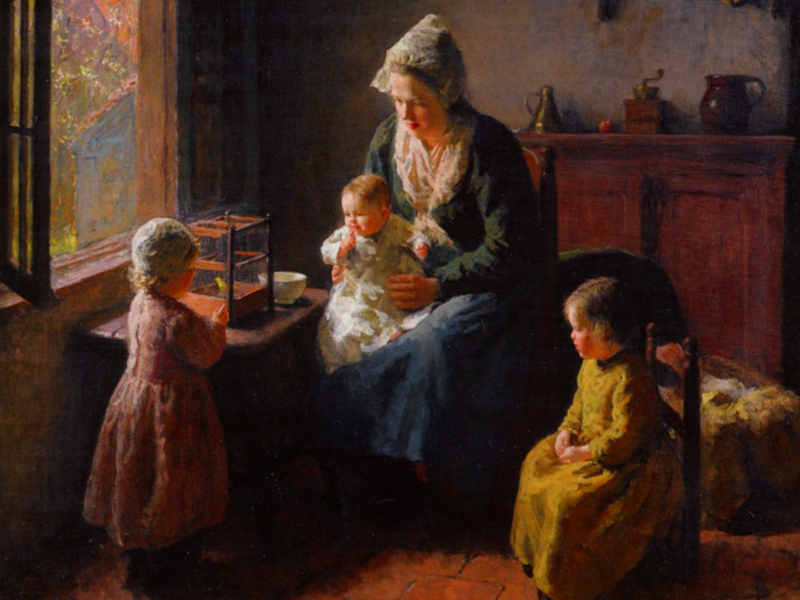
Raising children in a world that is increasingly rebellious against God-given gender is quite a challenge. I believe that every generation has their own unique challenges to face, and LGBTQ is ours. It is the movement that steals our terminology (love, kindness, community) and our symbol of promise (the rainbow)…

by Lindsey TollefsonJune 29, 2021
herode-tissot-crop
2 Thessalonians

The Lawless Man: When Christ Exposed a Conspiracy

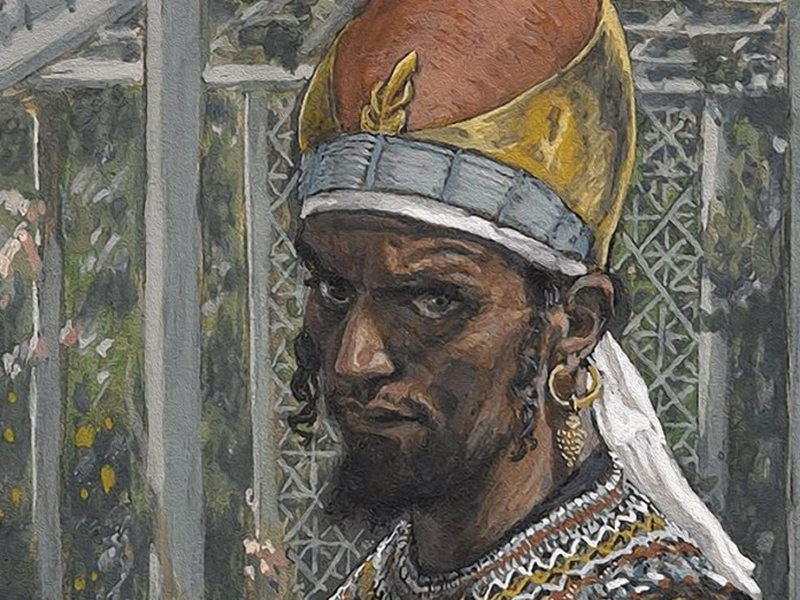
While there are many tricky verses in the Bible, it’s clear that some of them were never intended to give us so much trouble. Paul’s mysterious mention of the “restrainer” in 2 Thessalonians 2 is a perfect example, but perhaps we have been looking at it the wrong way. Reading…

by Mike BullJune 22, 2021
mark-rabe-p0gsveiycqu-unsplash
Christian Nationalism

Catholicity, the Church, and Christian Nationalism?

A common assumption of those most critical of “Christian nationalism” is that such a conception is inherently racist and opposed to the universal nature of the Christian faith. Many argue that Christian nationalism undermines a catholic sensibility by tethering Christianity to the particularities of the nation, and usually to a…

by James WoodJune 17, 2021
paul-the-apostle-epistle-prison-ephesians
Galatians

Ahab in Galatia

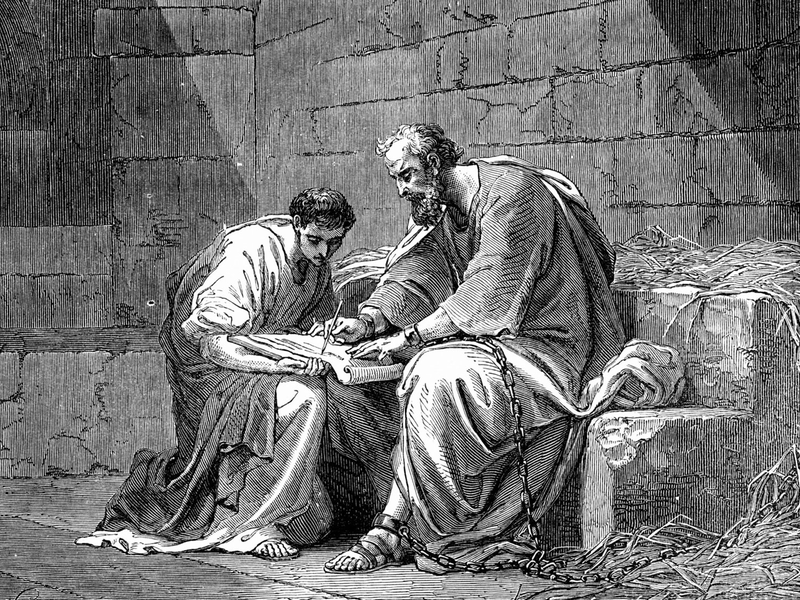
In his letter to the Galatians, Paul speaks of those who “trouble” their congregations: “[T]here are some who trouble you and want to distort the gospel of Christ” (1:7). 1 The word “trouble” caught my attention here, because in 1 Kings 18:17, King Ahab refers to Elijah the prophet as…

by Daniel HoffmanJune 15, 2021
margaux-bellott-r5tmusupjwa-unsplash
American Culture

What To Do When Your Boss Encourages You To Support The Moral Revolution

Many Christians find themselves working for businesses or corporations that encourage compliance with the moral revolution. Perhaps their company wants them to participate in gay pride month. Perhaps they require employees to use the preferred gender pronouns of their co-workers. Or maybe they require them to sign a statement affirming…

by Jason CherryJune 11, 2021
tim-marshall-k2u71wv2ei4-unsplash-1
Matthew

Masculinity in Jesus and John

“For John came neither eating nor drinking, and they say, He hath a devil. The Son of man came eating and drinking, and they say, Behold a man gluttonous, and a winebibber, a friend of publicans and sinners. But wisdom is justified of her children.” – Matthew 11:18-19 When conservative…

by Matthew CarpenterJune 10, 2021

Showing page 54 of 309

See all
See all
Literature

The Politics of Playing

Plays might be promoted as a kind of opiate of the masses: Mass entertainment that keeps them from more violent entertainments like rioting and pillaging. This could be problematic, if the entertainments were too heady for most people to follow. Thomas Heywood (1612) suggested that playwrights should “ayme . .…

September 28, 2006
Literature

Shakespeare regulated

How regulated was Shakespeare’s own theater? And for what reasons? Patterson highlights various reasons for closing or permitting theaters: audience composition, including the fear that a large collection of workers might be distruptive; public health; economic concerns; religious and moral concerns, especially Sabbatarian; and “a shifting and elusive imperative to…

September 28, 2006
Literature

American Shakespeare

Shakespeare’s fortunes in the US were, understandably, different from in England. Initially, Shakespeare was America’s most popular playwright, appealing to a wide sector of the American populace. Patterson notes that “by the end of the nineteenth century ‘Shakespeare’ had become a cultural icon, the property only of the ‘legitimate theater,’…

September 28, 2006
Literature

Popular Shakespeare

Annabel Patterson notes ( Shakespeare and the Popular Voice ) that contemporary critics, whatever their own political outlook, assume that Shakespeare was an advocate of Elizabethan hierarchy. This view, however, is a product of the 19th century. Dryden, Johnson, and others criticize Shakespeare for violating the conventions of his genre,…

September 28, 2006
Literature

Courtly Shakespeare, IV

By the 18th century, acting styles also invested Shakespeare with “courtly” virtues of control, dignity, stateliness. Dobson writes, “Shakespearian acting . . . in the decades following Betterton’s death in 1710, seems to have settled into a grandiloquent vein of static declamation, best exemplified by the stout James Quin (1693-1766)…

September 28, 2006
Literature

Courtly Shakespeare, III

Dobson again: “after Charles II’s death in 1685 England would never again have another monarch with such an informed interest in the drama (or, mercifully, such a lascivious one), and deprived of royal patronage and protection the playhouses came under renewed attack from the moralists (led by the redoubtable clergyman…

September 28, 2006

Showing page 1785 of 2212

Browse by Category

In Medias Res

Your weekly digest for all things Theopolis.

Donate

Theopolis is nearly 100% donor-supported. Consider joining us on our mission.