Theopolis Logo

Writing

Explore our collection of theological essays, biblical studies, and reflections on faith and culture.

See all
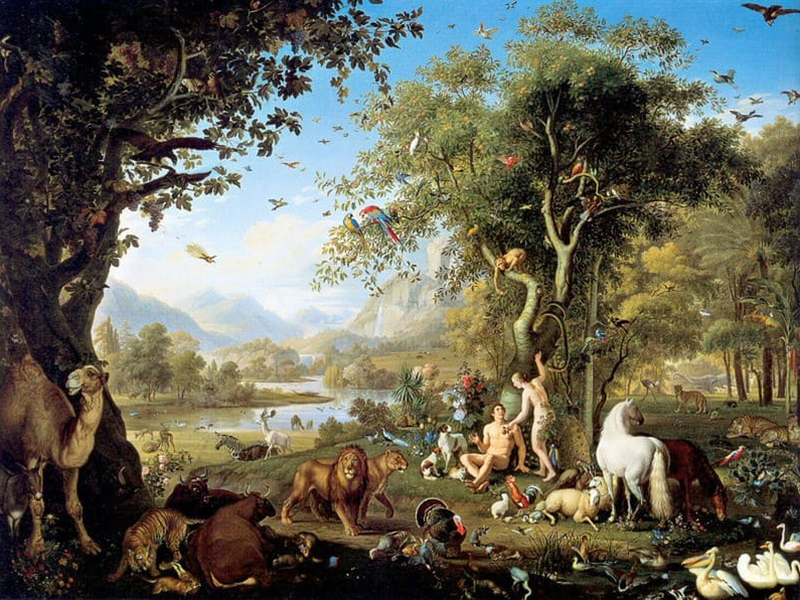
29994-adam-and-eve-in-the-garden-of-eden-800w-tn
Biblical Theology

Jesus in the Garden

Figure: Literary structure of the Garden narrative The Garden narrative describes God forming the adam , resting him in his presence, then provisioning for his appetites of food, vocation, and mate. It continues to describe a snake, the introduction of death, and humanity's expulsion from the garden. The pages of…

by Scott FairbanksJune 25, 2019
irenaeus-of-lyons-620x350
Christology

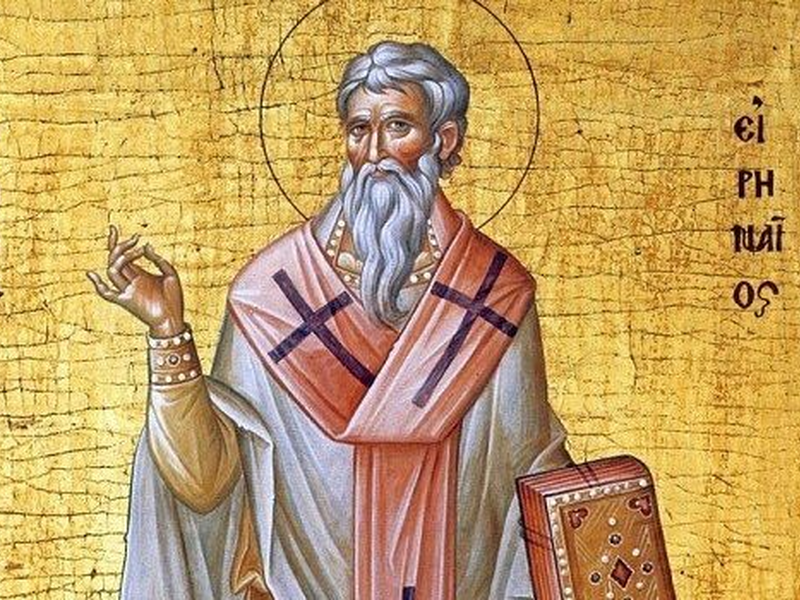
St. Irenaeus, the Beatific Vision, and the Instrumentalization of Creation

I’ve spent the last few years studying the theology of St. Irenaeus (d. circ. 200ad). In particular, I’ve been gripped by the way that Irenaeus consistently resisted the anti-body emphasis that emerged in later Christian theology. His eschatology is remarkably focused on the resurrection of the body, and the renewal…

by Gerald HiestandJune 18, 2019
aaron-burden-1ebsmyrau-s-unsplash
Exodus

The Light Before the Switch

Details of Jesus in Exodus 1:22-2:25 Although there are a great many Christ-types in the Old Testament, it is hard to overplay the obviousness of some that seem to necessarily rise to the top before others. One of these is Isaac, with his near sacrifice by his own father after…

by Eric RobinsonJune 11, 2019
thomas-habr-185321-unsplash
Biblical Theology

Characteristics of the Wicked City

What can we say about Cain's wicked sanctuary-city of Enoch? First that it was built with a brother's blood as its cornerstone. The Church is also built such, for Jesus was the younger brother of the whole Adamic race, slain by that company of older brothers because they hated Him.…

by James B. JordanJune 4, 2019
simon-caminada-107680-unsplash
Biblical Theology

Trees and Thorns

In Genesis 2:9 the ground brought forth trees good for food, delightful to view, and in two cases, life-giving or rule-bestowing. Adam, made of the ground (2:7), would by implication bring forth new trees, and thus trees and plants are among the symbols for human beings throughout the Bible. The…

by James B. JordanMay 28, 2019
annie-spratt-44241-unsplash
Biblical Theology

Trees for Food

One of the must fundamental teachings of the Bible and of the Christian religion is that man does not have life in himself. Man must get life from outside of himself, in order to maintain his life. The way this is done is through eating and drinking. Apart from life,…

by James B. JordanMay 21, 2019

Showing page 78 of 309

See all
See all
Literature

The Politics of Playing

Plays might be promoted as a kind of opiate of the masses: Mass entertainment that keeps them from more violent entertainments like rioting and pillaging. This could be problematic, if the entertainments were too heady for most people to follow. Thomas Heywood (1612) suggested that playwrights should “ayme . .…

September 28, 2006
Literature

Shakespeare regulated

How regulated was Shakespeare’s own theater? And for what reasons? Patterson highlights various reasons for closing or permitting theaters: audience composition, including the fear that a large collection of workers might be distruptive; public health; economic concerns; religious and moral concerns, especially Sabbatarian; and “a shifting and elusive imperative to…

September 28, 2006
Literature

American Shakespeare

Shakespeare’s fortunes in the US were, understandably, different from in England. Initially, Shakespeare was America’s most popular playwright, appealing to a wide sector of the American populace. Patterson notes that “by the end of the nineteenth century ‘Shakespeare’ had become a cultural icon, the property only of the ‘legitimate theater,’…

September 28, 2006
Literature

Popular Shakespeare

Annabel Patterson notes ( Shakespeare and the Popular Voice ) that contemporary critics, whatever their own political outlook, assume that Shakespeare was an advocate of Elizabethan hierarchy. This view, however, is a product of the 19th century. Dryden, Johnson, and others criticize Shakespeare for violating the conventions of his genre,…

September 28, 2006
Literature

Courtly Shakespeare, IV

By the 18th century, acting styles also invested Shakespeare with “courtly” virtues of control, dignity, stateliness. Dobson writes, “Shakespearian acting . . . in the decades following Betterton’s death in 1710, seems to have settled into a grandiloquent vein of static declamation, best exemplified by the stout James Quin (1693-1766)…

September 28, 2006
Literature

Courtly Shakespeare, III

Dobson again: “after Charles II’s death in 1685 England would never again have another monarch with such an informed interest in the drama (or, mercifully, such a lascivious one), and deprived of royal patronage and protection the playhouses came under renewed attack from the moralists (led by the redoubtable clergyman…

September 28, 2006

Showing page 1785 of 2212

Browse by Category

In Medias Res

Your weekly digest for all things Theopolis.

Donate

Theopolis is nearly 100% donor-supported. Consider joining us on our mission.