Theopolis Logo

Writing

Explore our collection of theological essays, biblical studies, and reflections on faith and culture.

See all
img_9025
Biblical Studies

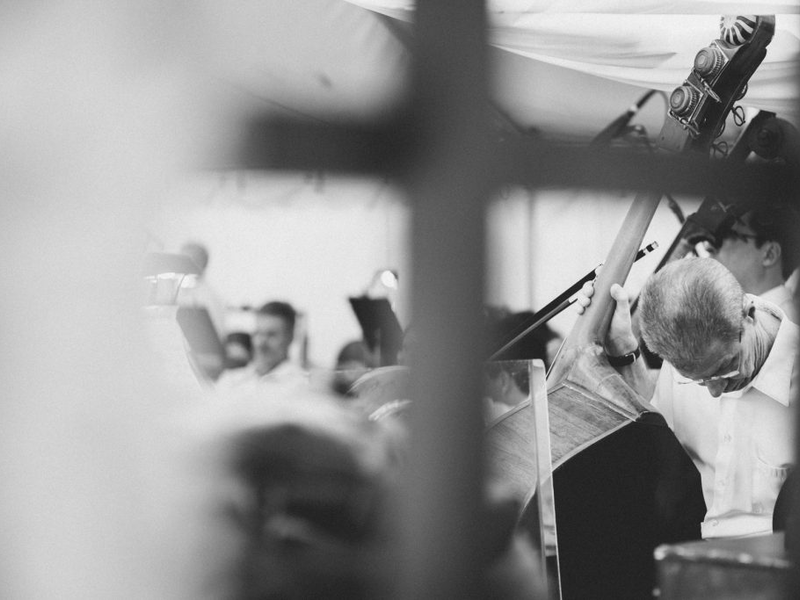
Music and Hermeneutics

From time to time, when I’ve lectured on how to read the Bible, I’ve used art-music as one example thereof. When we listen to a simple folk song, we hear the same melody over and over again, but this is not how composers write "high" music. Let me amplify. A…

by James B. JordanNovember 28, 1996

bank-phrom-tzm3oyu_6sk-unsplash
Biblical Horizons

Of Preaching and Newspapers

Sermons are rarely more tiresome than when they strive for relevance. Drawing from the latest headlines transforms the preacher into a one-man MacLaughlin Group, a Crossfire without the cross though perhaps with some of the fire, and leave the congregation thinking, "If I wanted Meet the Press, I could have…

by Peter LeithartNovember 27, 1996
yutacar-jkmnm3cincw-unsplash
Beer

Concerning Wine and Beer

Part One: The Old Testament “Drink is in itself a good creature of God, and to be received with thankfulness, but the abuse of drink is from Satan, the wine is from God, but the drunkard is from the Devil” Increase Mather in Wo to Drunkards (1673). 1. The “wine”…

by Jeff MeyersNovember 5, 1996
greg-rakozy-ompaz-dn-9i-unsplash-2
Jeremiah

Jeremiah 52:28-30

28. These are the people whom Nebuchadnezzar carried away into exile: in the 7th year 3023 Jews. 29. In the 18th year of Nebuchadnezzar 832 persons from Jerusalem. 30. In the 23rd year of Nebuchadnezzar, Nebuzaradan the captain of the guard carried into exile 745 Jewish people; there were 4600…

by James B. JordanOctober 28, 1996
adolfo-felix-4jl_vagxwcu-unsplash
Revelation

Concerning the Nations

Revelation 21:24 says, concerning the light shining from the New Jerusalem, "and the nations will walk by her light, and the kings of the land will bring their glory into her." Similarly, Revelation 22:2 says, concerning the Tree of Life, that "the leaves of the tree were for the healing…

by James B. JordanOctober 28, 1996
kiwihug-l4gw27xzn1i-unsplash
Jeremiah

Countdown to Exile II: Rebellion Against God’s Order

Jeremiah and the Beginning of Jehoiakim’s Reign Now comes Jeremiah, at the beginning of Jehoiakim’s reign, with similar words (Jeremiah 26). Harken to God’s law, he said, or else God will destroy the Temple the same way He sent the Philistines to tear down the Tabernacle at Shiloh (Jeremiah 26:6;…

by James B. JordanOctober 28, 1996

Showing page 262 of 309

See all
See all
History

Hermeticism and gnosticism

In his book on the hermeticist Hegel, Magee gives this helpful sketch of the differences between gnosticism and hermeticism: “Gnosticism and Hermeticism both believe that a divine ‘spark’ is implanted in man, and that man can come to know God. However, Gnosticism involves an absolutely negative account of creation. It…

August 16, 2006
Philosophy

Hegel and Hermes

In a 2001 book (Cornell), Glenn Magee argues that Hegel must be understood as a hermetic thinker. Hegel claims to have moved beyond the ancient notion of philosophy as “pursuit of wisdom” to an absolute knowledge that is simply identical with wisdom. As Magee says, “Hegel’s claim to have attained…

August 16, 2006

MacIntyre on Heroic virtue

In After Virtue , Alasdair MacIntyre provides a neat discussion of the virtue and selfhood in Greek antiquity. The unity of ARETE, virtue, “resides . . . in the concept of that which enables a man to discharge his role,” and refers to “excellence of any kind,” whether in a…

August 16, 2006
Philosophy

Logos: Harmony and Recipe

One Marc Cohen of the University of Washington, offers this account of the “logos” of Heraclitus in an online lecture outline: First, “There is an orderly, law-governed process of change in the universe. (Compare fragment 80 with Anaximander, who equates strife with injustice; for Heraclitus, strife is justice, and is…

August 16, 2006

Life of Heraclitus

Some selections from Diogenes Laertius’ “Life of Heraclitus, from his “Lives and Opinions of Eminent Philosophers: “He was above all men of a lofty and arrogant spirit, as is plain from his writings, in which he says, ‘Abundant learning does not form the mind; for if it did, it would…

August 16, 2006
History

Asocial sociability

Seigel devotes a fascinating section of his book ( Idea of the Self ) to a summary of Mandeville’s Fable of the Bees , in which Mandeville describes what Kant characterized as the “asocial sociability” of human nature. Social in the sense that even in a natural state, prior to…

August 15, 2006

Showing page 1809 of 2212

Browse by Category

In Medias Res

Your weekly digest for all things Theopolis.

Donate

Theopolis is nearly 100% donor-supported. Consider joining us on our mission.