Theopolis Logo

Writing

Explore our collection of theological essays, biblical studies, and reflections on faith and culture.

See all
screenshot-2023-09-18-at-3-53-01-pm
Biblical Studies

Exile or Ark?

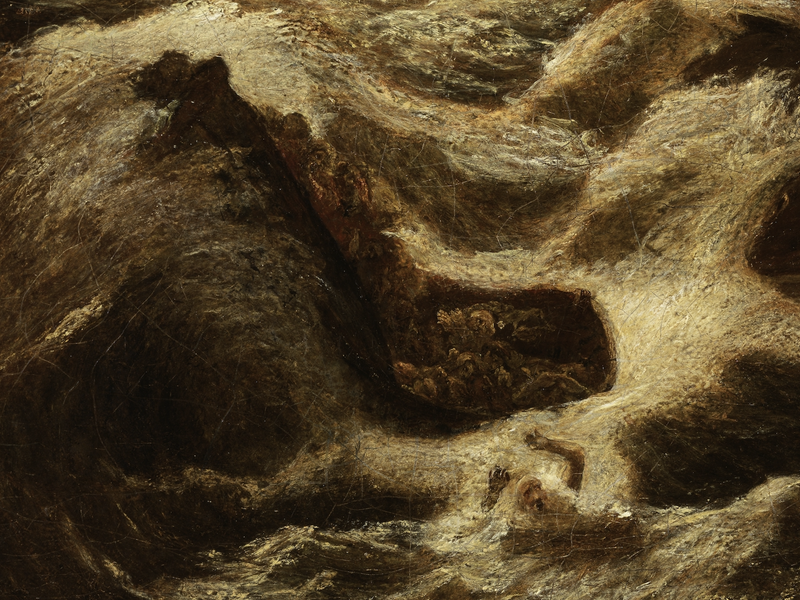
In the Fall 2007 issue of JBL is an essay “Jonah Read Intertextually” by Hyun Chul Paul Kim of Methodist Theological School in Delaware, Ohio. The first section of the essay points to numerous linguistic and conceptual parallels between Jonah (“Dove”) and the Noah narrative: Destruction of the earth, including…

by James B. JordanApril 10, 2008

aaron-burden-qjdzyt_k8xg-unsplash
Biblical Studies

How Mark Came to be Written

The phone rang. “Hello, this is John Mark.” “Hi, JM. This is Simon Peter.” “Oh, hello, Mr. Rock,” said Mark. “What can I do for you?” “Well, JM” said Peter, “I’ve been very impressed by your recent essays in the New Jew Review , especially your series on David as…

by James B. JordanMarch 24, 2008
keenan-davidson-kmjnm4dzjy-unsplash
Biblical Studies

How Matthew Came to be Written

The sun had set and finally the crowds had dispersed. The disciples gathered in the upper room, exhausted but joyful after preaching and teaching in many different languages all day, not to speak of seeing to the baptism of three thousand people. James bar Alphaeus put on a CD of…

by James B. JordanMarch 20, 2008
screen-shot-2021-08-12-at-2-57-54-pm
Biblical Horizons

Church-Culture | Cause-Effect

There was a time, I think, when Evangelical Christianity in North America tended to be dominated by what might be (pejoratively) called a “retreatist” or even “defeatist” view of society. For various reasons, Christians believed that society was headed downhill and there was nothing the Church could do about it,…

by Mark HorneMarch 14, 2008
sixteen-miles-out-al48tflf4e8-unsplash
Genesis

Is Genesis 15 an Attack on Forensic Justification?

Hebrews 11 makes it very clear that Abram (later, Abraham) exercised saving faith from the time he left his home to go wonder in Caanan. He was justified at least from the time of the call in Genesis 12.1-3 on. Yet I keep reading people who think that any appeal…

by Mark HorneMarch 6, 2008
aaron-burden-nbjsrii4x6u-unsplash-2
Biblical Horizons

On Renewing Theology

I spent the last few days at A Conversation on Denominational Renewal , which thankfully met in St. Louis. The conference was well attended, about 300 or more people. The audience was mostly PCA ministers and elders, but because it was held in St. Louis there were a good many…

by Jeff MeyersMarch 1, 2008

Showing page 213 of 309

See all
See all
Philosophy

Descartes’s Double Self

In his history of modern Western views of the self ( The Idea of the Self , Cambridge 2005), Jerrold Seigel offers what he believes is a fresh interpretation of the implications Descartes’s cogito . He asks, Who is the subject, the “I,” implied by the cogito and the sum…

August 12, 2006
History

Reaching back

Bruce Holsinger shows that “postmodern” theory reaches back beyond the modern period to find resources for anti-modern critique in the medieval world. Early modern thinkers made a similar move: Stephen McKnight notes (in a Mars Hill Audio interview) that early modern scientists like Francis Bacons claimed to be recovering an…

August 12, 2006
History

Descartes’s ambitions

Descartes’s original title for Discourse on Method was “Project for a Science that Can Raise our Nature to its Highest Degree of Perfection.” And for a number of years he worked on a treatise in which he “resolved to explain all the phenomena of nature, that is all of physics”…

August 12, 2006
Theology

Not Quite Postmodern

In his very fine, lucid book, Who’s Afraid of Postmodernism? (Baker 2006), James KA Smith notes that many postmodern theologies, especially influenced by Derrida’s apophaticism, are anti-dogmatic: “postmodern religious faith eschews knowledge and therefore also eschews the particularity of dogma and doctrine. In other words, according to this line of…

August 11, 2006

Showing page 1813 of 2212

Browse by Category

In Medias Res

Your weekly digest for all things Theopolis.

Donate

Theopolis is nearly 100% donor-supported. Consider joining us on our mission.