Theopolis Logo

Writing

Explore our collection of theological essays, biblical studies, and reflections on faith and culture.

See all
img_5862
Culture

Birmingham Life and Culture Series

There’s something about joy that is infectious. And occasionally, we all have the opportunity to be in someone’s presence who is so happily engaged in their work, so joyous in their pursuits, that we want to learn from them. We want to know where that joy comes from and attain…

by Brian MoatsOctober 23, 2015
img_6077
How to Worship

How To Change the World, (Part 1)

Jesus has told us that He intends all nations to be discipled. Nations. Not just individuals. All nations as theocracies. That being the case, the Church exists for the life of the world. Being baptized is not only a matter of becoming part of a new family, it is also…

by James B. JordanOctober 22, 2015
branagh-macbeth
Literature

Adam, Saul, Macbeth

Harold Bloom’s essay on Macbeth includes the kind of penetrating insights that make Bloom the great Shakespearean scholar that he is, but it also includes his typical and intense anti-Christian bias. “If Lear was pre-Christian, then Macbeth is weirdly post-Christian. There are, as we have seen, Christian intimations that haunt…

by Ralph Allan SmithOctober 20, 2015
bowls
Revelation

Inverted Atonement

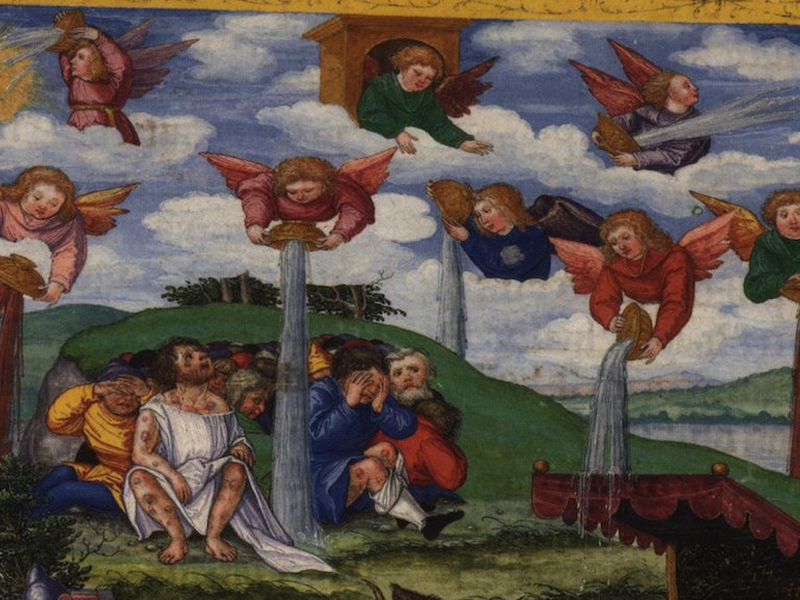
Revelation 16 is a day of atonement text. The tabernacle of the testimony has been opened (15:5). The angels who receive the bowls are clothed in linen (15:6), the clothing of the high priest when he goes into the sanctuary on the day of atonement (Leviticus 16:4). The temple is…

by Peter LeithartOctober 15, 2015
img_9025
Biblical Studies

Music and Hermeneutics

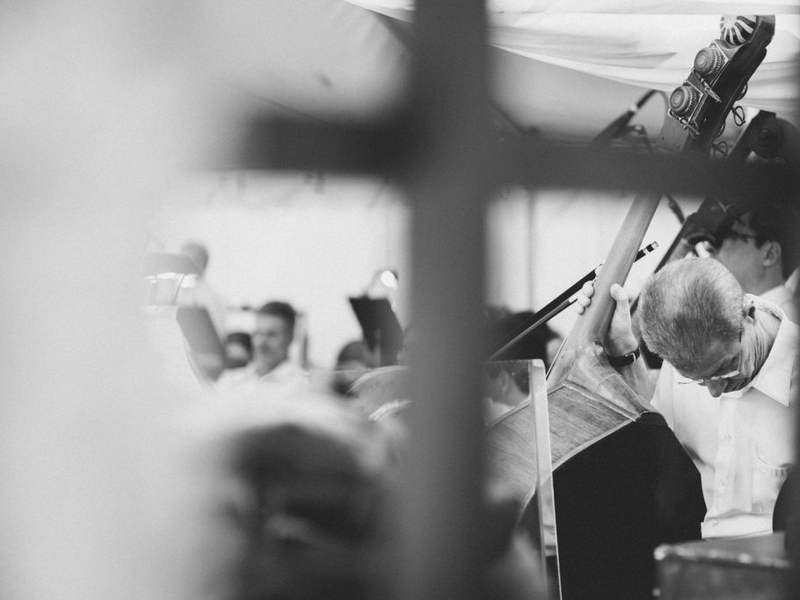
From time to time, when I’ve lectured on how to read the Bible, I’ve used art-music as one example thereof. When we listen to a simple folk song, we hear the same melody over and over again, but this is not how composers write "high" music. Let me amplify. A…

by James B. JordanOctober 13, 2015
schlanger_jonah_prison_090913_620px
Biblical Studies

In the Fish: The Church as Tomb

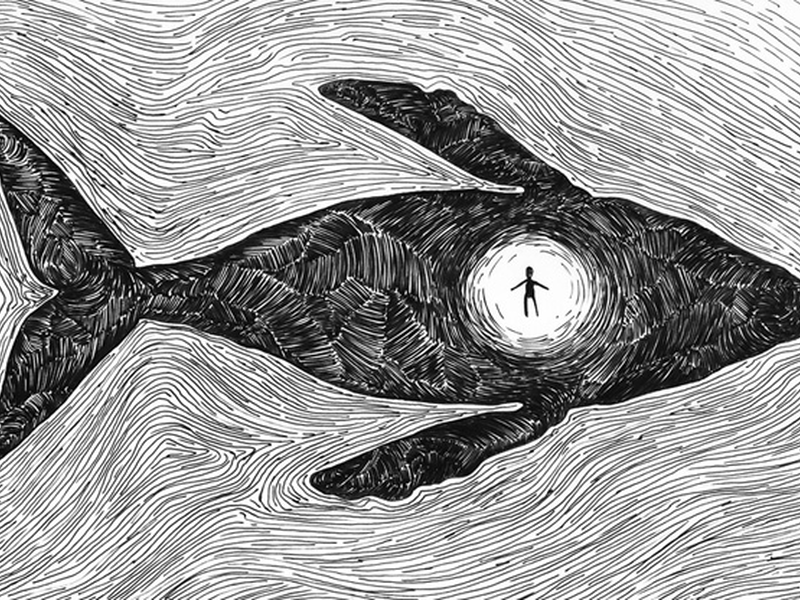
"For just as Jonah was three days and three nights in the belly of the sea-monster, so will the Son of Man be three days and three nights in the heart of the earth" (Matthew 12:40). Some reflections on Jonah’s Big Fish have led to the following essay. Let me…

by James B. JordanOctober 8, 2015

Showing page 142 of 309

See all
See all

Class consciousness

Lawrence Stone records the following in his classic Crisis of the Aristocracy : “So deep [was] feeling of a fundamental distinction of ranks that gentlemen did not hesitate to behave in ways which would today be considered base and even cowardly. When Lord Herbert of Cherbury was shipwrecked at Dover…

August 9, 2006

Death of the author

A hypothesis to explore: What is the connection between the postmodern “death of the author” and higher critical methods of biblical interpretation? Did the dissolution of the text in biblical studies contribute to a dissolution of the author in texts generally? To what extent is Wellhausen responsible for Barthes and…

August 9, 2006

Type and Antitype

At times, I’ve felt that my polemics against semi-marcionitism in sacramental theology and hermeneutics finds no actual targets. And then I read something like this. In his book on hermeneutics, Louis Berkhof characterizes the difference between type and antitype: “The one represents truth on a lower, the other, the same…

August 9, 2006
History

Left to Right

Butler cleverly suggests that postmodernism’s leftism ends up underwriting rightist politics: “a left-inspired distrust of authority . . . makes recognition of difference possible, and yet those who are perhaps most in favor of leaving differently defined groups in isolation, to compete and fight it out, are those on the…

August 9, 2006
History

Liberal to postmodern

Poor Christopher Butler: He really doesn’t like postmodernism, but he keeps saying that postmodernism at its most sane is just repeating what liberals have always believed and doing what liberals have always done. Postmodernists challenge “the boundaries of our social roles,” and liberals join in; in fact, “the postmodernist deconstructive…

August 9, 2006
Politics

Discourses of power

Postmodernists claim that discourses are inevitably exercises of power. To theorize is to classify, and classification, well, puts things in classes, asserts authority over them. Butler offers this example: “You believe what the young surgeon tells you, and so you give him permission to anaesthetize you, cut you up, and…

August 9, 2006

Showing page 1815 of 2212

Browse by Category

In Medias Res

Your weekly digest for all things Theopolis.

Donate

Theopolis is nearly 100% donor-supported. Consider joining us on our mission.