Theopolis Logo

Writing

Explore our collection of theological essays, biblical studies, and reflections on faith and culture.

See all
irenaeus-of-lyons-620x350
Anthropology

What Irenaeus’ Christology Teaches Us about the Goodness of our Bodies

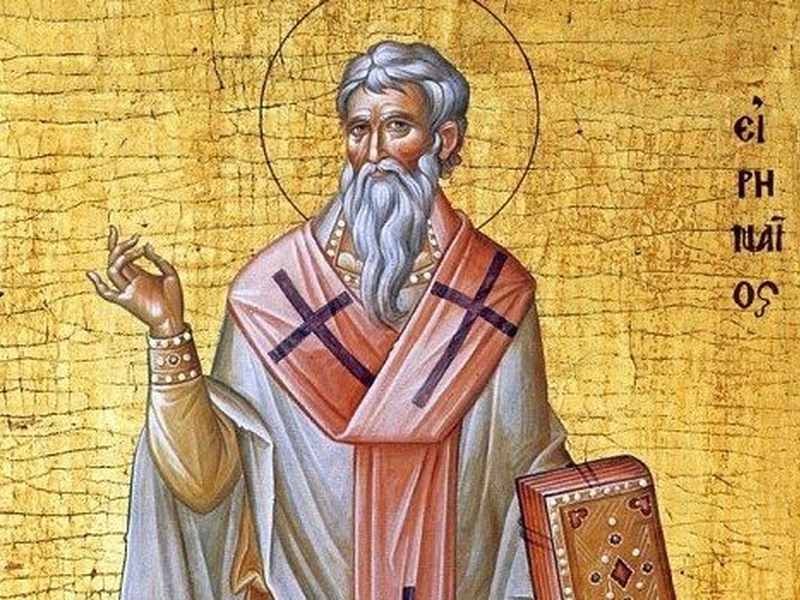
The Christian tradition has always had an uneasy relationship with the materiality of creation. Dirt, liquid, sex, blood, and bodies—the world and the flesh stand in company with the Devil as two of the three great enemies of the saints. Mundus, caro, et diabolus , as the old Latin saying…

by Gerald HiestandSeptember 13, 2018

masada-aerial-crop
Biblical Studies

The Second Death in Liturgy and History

Since the destruction of Jerusalem was an event of earth-shattering covenantal significance, what might be the meaning of the subsequent tragic events at the desert fortress of Masada? In Hebrew, the name Masada means “strong foundation or support,” from a root meaning “to hunt, lie in wait for prey.” Located…

by Mike BullSeptember 11, 2018
pray-442560_1920
How to Worship

Cross My Heart

Take a long look at the photo above. To whom is this woman praying? It is hard to tell, isn’t it? Suppose we watch her for a while. We may see her bow low to the floor. Her lips may move, though perhaps it is too low for us to…

by Christopher KouSeptember 6, 2018
img_7664
Biblical Theology

The Problem of Psalm 137

Psalm 137 is widely regarded as one of the meanest of the imprecatory psalms. Certainly as we read it it is seems to be a song of pure vengeance. The exiles in Babylon, in grief over the judgment that Babylon has brought upon them, pray for the destruction of that…

by James B. JordanSeptember 4, 2018
covenant-epistemology
Course Recap

A Week with Esther Meek: Course Recap

Forty men and women came from all over the United States to attend the 2018 Trinity Term course at Theopolis. Pastors, students, teachers, an electrician, a city planner, and others from a variety of denominations spent five days at Beeson Divinity School studying covenant epistemology under the tutelage of philosopher…

by TheopolisAugust 31, 2018
last-supper
Matthew

Galilee of the Gentiles

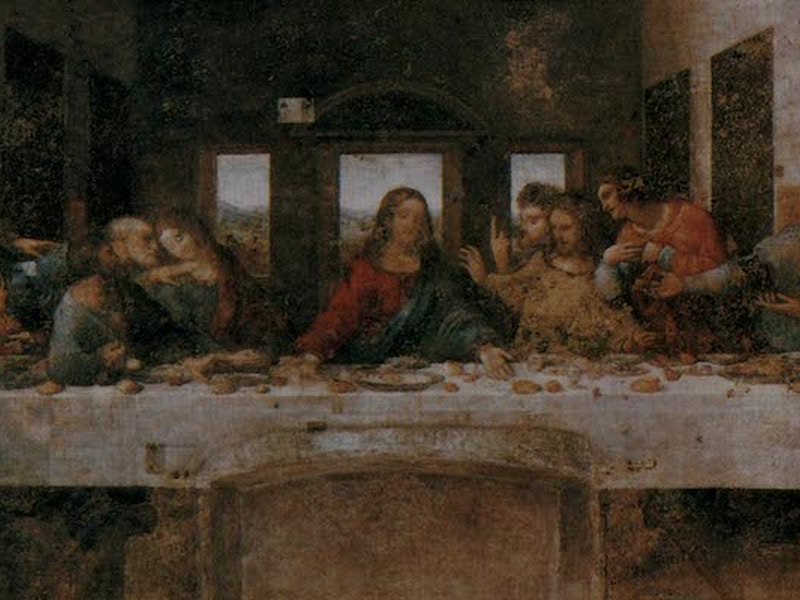
Matthew records that Jesus "withdrew" to Galilee to begin His public ministry there after He "heard that John had been delivered up" (Mt. 4:12). Matthew’s typically matter-of-fact style veils the truly remarkable character of Jesus’ withdrawal. Matthew has been presenting Jesus as the Messiah, the Seed of Abraham and Son…

by Peter LeithartAugust 31, 2018

Showing page 88 of 309

See all
See all

Reformation Rhetoric

Peter Matheson ( Rhetoric of Reformation ) recognizes that polemic is “both necessary and useful” (8). It enables underdogs to gain a foothold, and “enables us to see things as they are. Its caricatures are nearer to the truth than the smooth rhetoric and facile images beloved of politician, businessman…

April 13, 2017

Ladder to Heaven

2 Chronicles 3-4, the Chronicler's account of the temple, uses the phrase “left and right” several times. Jachin and Boaz, the two pillars, are “left and right” at the porch (3:17). Ten basins are set up in two groups of five on the left and right of the court (4:6).…

April 12, 2017

The Pillars that Huram Built

In her study of Leviticus as Literature , Mary Douglas notes the “house that Jack built” quality of the Levitical descriptions of sacrifice. Priests put animal parts on the wood that is on the fire that is on the altar. Douglas takes this as a sign that Leviticus describes sacrifice…

April 11, 2017

Pollution and Purgation in the Reformation

I n a famous essay on “rites of violence” in sixteenth-century France, Natalie Zemon Davis argued that one motivation behind mob violence was the desire to purge “the community of dreaded pollution. The word ‘pollution' is often on the lips of the violent, and the concept serves well to sum…

April 11, 2017

Creating the Temple

T he Chronicler's account of the construction of Solomon's temple (2 Chronicles 3:1-5:1) follows the creation week of Genesis 1 in general and in specific details. In general, the account moves from a description of the dimensions, materials and adornments of the three zones of the temple (porch, palace, most…

April 10, 2017

Weber the Idealist

R obert Scribner doesn't think Protestantism “disenchanted” the world. Reformers did attack certain forms of medieval “magic.” They rejected “sacramentals,” which were “functional” rituals that could be used as protection against devils. This didn't produce a “buffered” world, impervious to outside influence. No one surpassed Luther in his obsession with…

April 7, 2017

Showing page 187 of 2212

Browse by Category

In Medias Res

Your weekly digest for all things Theopolis.

Donate

Theopolis is nearly 100% donor-supported. Consider joining us on our mission.