Theopolis Logo

Writing

Explore our collection of theological essays, biblical studies, and reflections on faith and culture.

See all
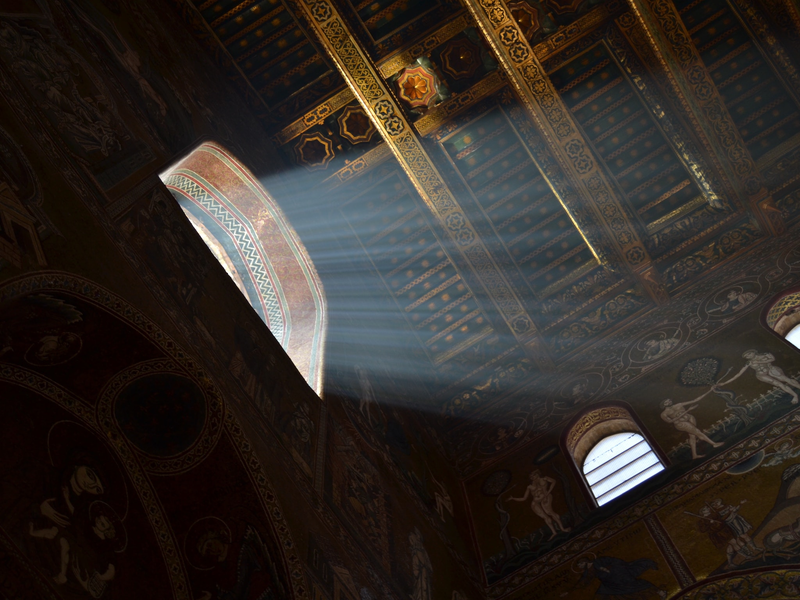
sinitta-leunen-dvibhmzsy8e-unsplash
Epistemology

A Cheer for the Mystics

Mystical theologians are often unguarded, extreme, un-nuanced, pressing to the edges of heresy, sometimes beyond. Still, the mystics are worthy of study. Why? Many reasons. Unlike some late medieval and post-Reformation dogmaticians, mystical theologians are often instinctively and richly Trinitarian. Historical-critical approaches to Scripture left mystical theologians virtually untouched; mystics…

by Peter LeithartSeptember 2, 2013
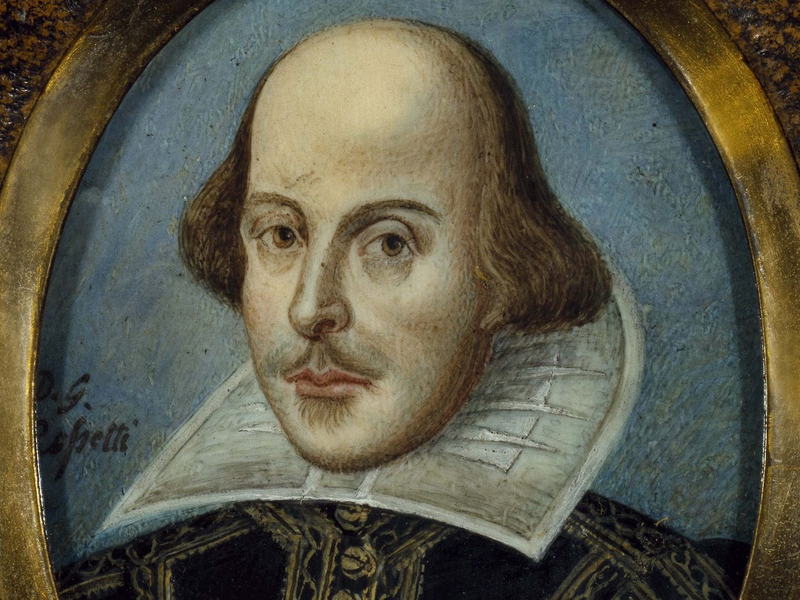
portrait-of-william-shakespeare-1564-1616-ca-1865
Literature

Shadow and Substance in Shakespeare's Venice

Portia of Belmont is a “lady richly left,” as Bassanio says of her in the first Act of The Merchant of Venice . Plus, she’s beautiful and wise. Suitors clamber to Belmont in hope. Her father knew it would be so, and in his will set up a fairy-tale test…

by Peter LeithartAugust 28, 2013
carlo-alberto-burato-smdx3gleu_m-unsplash
Liturgy

Liturgy Traps

[fve]http://vimeo.com/72195198[/fve]

by James B. JordanAugust 26, 2013
screen-shot-2022-05-12-at-12-07-23-pm
Deuteronomy

Victory Food

In the nature of the case, “the” Christian meditation on Deuteronomy 14:1-21 cannot be written. Meditation offers too many possibilities, opens too many doors. There is not one and only one correct set of associations for a Christian to consider when thinking of Deuteronomy 14:1-21. We could, for example, consider…

by Ralph Allan SmithAugust 21, 2013
aaron-burden-1ebsmyrau-s-unsplash
Romans

David's Sin and Israel's Salvation, Part I

Having retold the story of the cumulative sin of Israel leading to the great atonement on the cross, Paul then reemphasizes that, just as both Jew and Gentiles were locked into sin and judgment, now they are both justified by faith: Then what becomes of our boasting? It is excluded.…

by Mark HorneAugust 20, 2013
ben-white-w8qqn1pmqh0-unsplash
Deuteronomy

You are what you eat

Deuteronomy 14 is full of allusions to events of Israel’s history and other portions of Scripture. What would an Israelite learn by mediation on these allusions? The answer, I believe, is at least fourfold. Faith, Worship, War For the ancient Israelite first hearing Moses’ sermon, or perhaps hearing it read…

by Ralph Allan SmithAugust 15, 2013

Showing page 189 of 309

See all
See all

Turn of civilization

At the end of his wonderful essay on “Art and Sacrament,” the Welsh poet and painter David Jones included a fragment that he wrote and rewrote over several decades. Here is wisdom: I said, ah! what shall I write? I inquired up and down (he’s tricked before with his manifold…

September 14, 2005

The Pianist and the Nazis

In a 2003 TNR review of Roman Polanski’s Oscar-winning film, The Pianist , Michael Oren gives information about Wilm Hosenfeld, the German officer who assists Szpilman: “while scrounging in an abandoned house for food, Szpilman comes face-to-face with a German officer. Instead of drawing his revolver, the officer asks Szpilman…

September 14, 2005
Literature

Marilynne Robinson

Here are a couple of selections from a September 2004 New Yorker interview with Marilynne Robinson: Q. “In your nonfiction collection, ‘The Death of Adam: Essays on Modern Thought,’ you wrote about the sixteenth-century theologian John Calvin, and about his strong sense of humanism and tolerance and his importance to…

September 14, 2005

Odysseus’ return to himself

Charles Segal argues in his Singers, Heroes, and Gods in the Odyssey that Odysseus’ return to Ithaca is a return to himself. This works in several dimensions. Through the second half of the epic, various characters reconstruct the story of Odysseus’ life - the story of his naming and the…

September 14, 2005

Odysseus’ return to himself

Charles Segal argues in his Singers, Heroes, and Gods in the Odyssey that Odysseus’ return to Ithaca is a return to himself. This works in several dimensions. Through the second half of the epic, various characters reconstruct the story of Odysseus’ life - the story of his naming and the…

September 14, 2005
Theology

Matter and spirit

Discussing the question of the corporeality of angels, Herman Bavinck argues that angels cannot have bodies because that would imply they are material and “matter and spirit are mutually exclusive.” He charges that “it is a form of pantheistic identity philosophy to mix the two and to erase the distinction…

September 13, 2005

Showing page 1946 of 2212

Browse by Category

In Medias Res

Your weekly digest for all things Theopolis.

Donate

Theopolis is nearly 100% donor-supported. Consider joining us on our mission.