Theopolis Logo

Writing

Explore our collection of theological essays, biblical studies, and reflections on faith and culture.

See all
paul-2
Romans

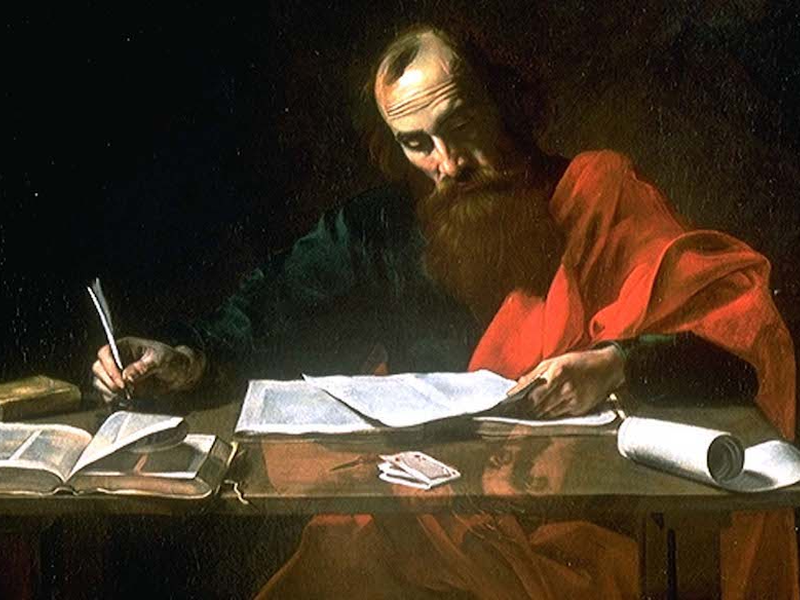
Notes on Scary Stuff in Romans 9

What shall we say then? Is there injustice on God’s part? By no means! For he says to Moses, “I will have mercy on whom I have mercy, and I will have compassion on whom I have compassion.” So then it depends not on human will or exertion, but on…

by Mark HorneFebruary 5, 2015
lunch-counter
American Politics

Covenants of Exclusion

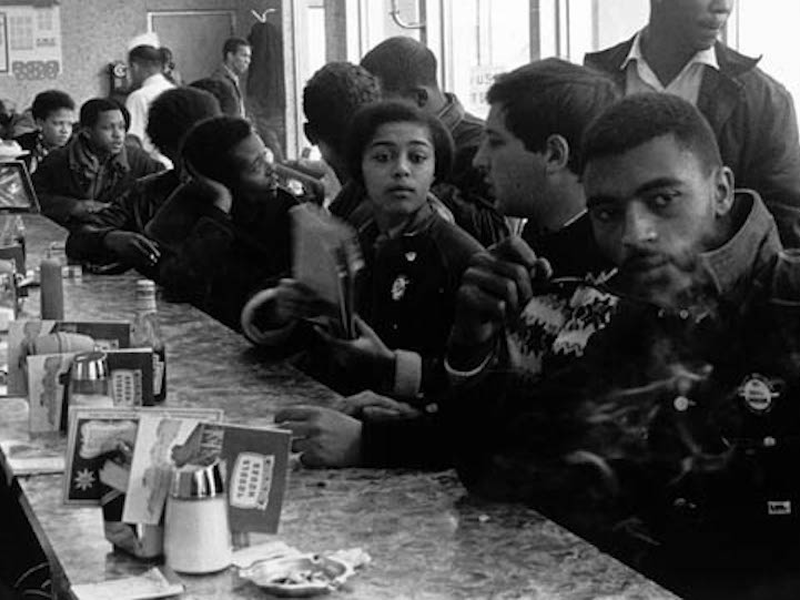
A hundred years ago, William Warley signed a contract to buy a house in Louisville, Kentucky from Charles Buchanan, a white man. Before closing the sale, Warley, who was black, learned that the lot was subject to a city ordinance barring blacks from occupying the premises if most of the…

by Brendan O'DonnellFebruary 3, 2015
shakespeare-2
Literature

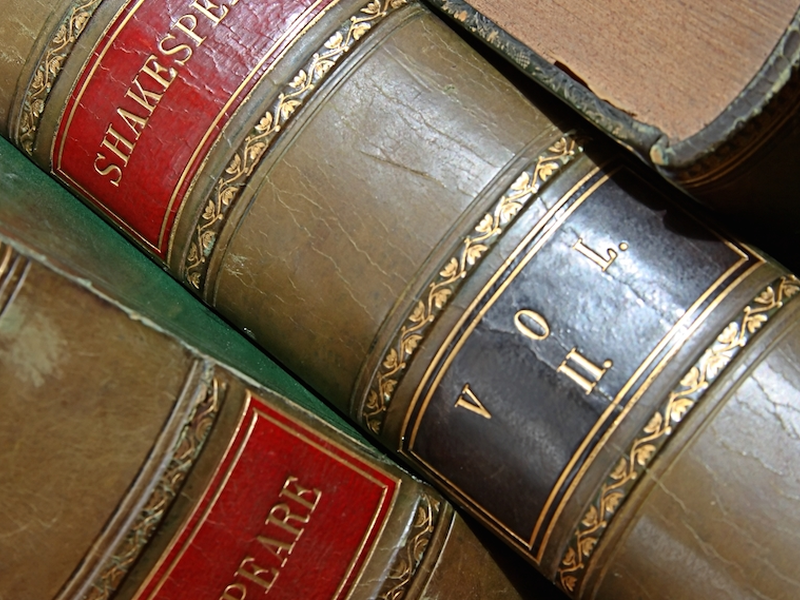
The Bard and the Book

I concluded the first essay on this topic by saying that I would introduce three books about Shakespeare and the Bible, but I decided to introduce four instead. The three books become four are: Naseeb Shaheen, Biblical References in Shakespeare’s Plays (London: Associated University Presses, 1999) ; Hannibal Hamlin, The…

by Ralph Allan SmithJanuary 29, 2015
augustine-2
Augustine

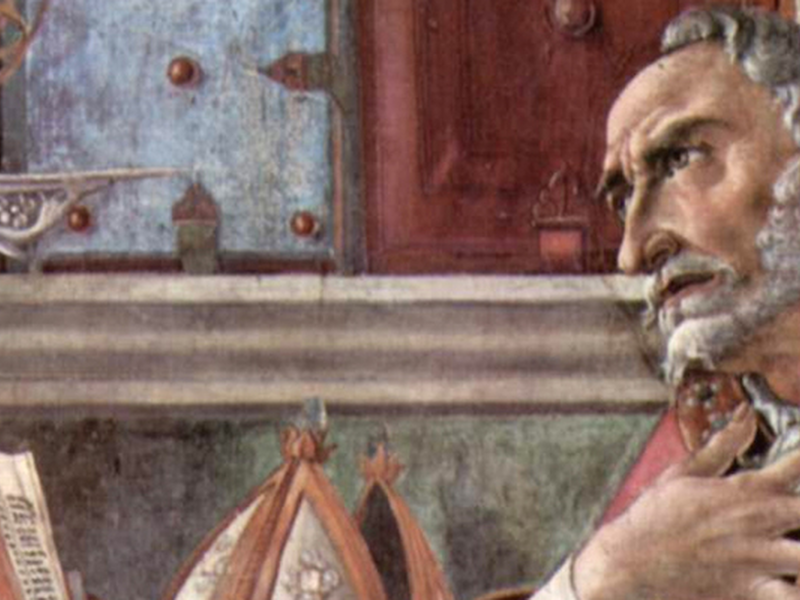
Augustine on Pagan Virtue

My children attend a classical Christian school, situated in the independent “free church” evangelical tradition. Over the past few years they have been growing in their acquaintance with the world of Homer, Plato, Virgil, and Livy. They enjoy it, and I envy it. The school is a great school. My…

by Gerald HiestandJanuary 27, 2015
prodigal-son
Atonement

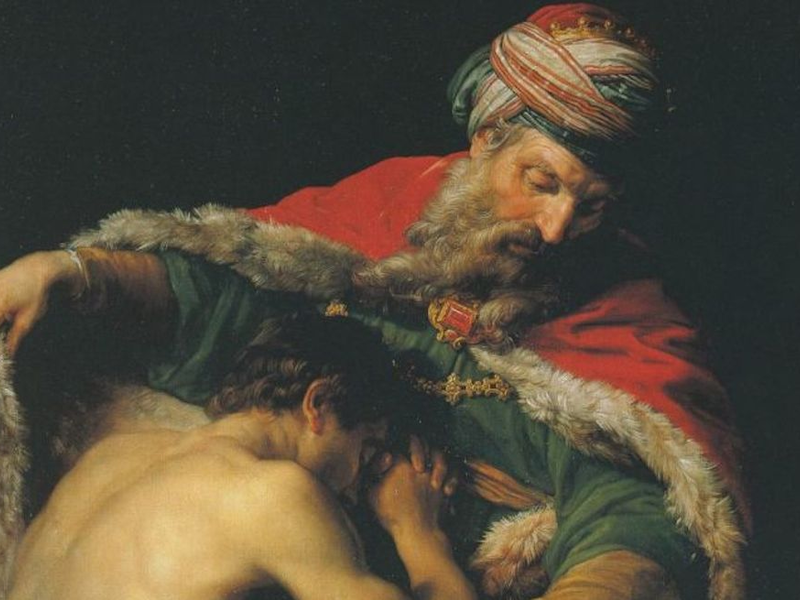
The Prodigal and the Cross

The Prodigal Son parable (Luke 15) has been a favorite of liberal theologians for a couple of centuries. It seems to be a parable designed for liberal sensibilities: An indulgent, accepting Father; forgiveness extended without a cross; a surly older brother who might represent the "conservative" face of religion who…

by Peter LeithartJanuary 22, 2015
sky-from-bridge
Ascension

Underground Man, Ascended Man

“I want now to tell you, gentlemen, whether you care to hear it or not, why I could not even become an insect. I tell you solemnly, that I have many times tried to become an insect. But I was not equal even to that. I swear, gentlemen, that to…

by Richard BledsoeJanuary 20, 2015

Showing page 161 of 309

See all
See all

New Face for the World

R owan Williams ( Sign and Sacrifice ) summarizes the Anselmian understanding of the atonement using the categories of sacrifice, obedience, and gift, all set within a Trinitarian frame. It's quite lovely. Citing Hebrews citing Psalm 40, Williams argues that the Old Testament sacrificial system existed to symbolize the true…

February 28, 2017

At the Parbar

D escribing the assignments of Levite gatekeepers, the Chronicler records that there were four at the “highway” at the western end of the temple, and two “at the Parbar,” which was also on the west (1 Chronicles 26:18). Scholars have proposed a variety of foreign etymologies for the term. From…

February 27, 2017
Architecture

How To Read Churches

D enis McNamara's How To Read Churches is an extraordinary book. Subtitled “a crash course in ecclesiastical architecture,” it covers building types, floor plans, sections of churches (nave, apse, choir), materials, windows, altars, ornaments in 256, 6 x 6-inch pages, each of which is stuffed with pictures and diagrams and…

February 24, 2017

Undemocratic Education

J ohn Milbank cites what he calls “Socrates's subversive realization” that “education can never be democratic” ( Being Reconciled , 182). This is in part because “the sheer singular uniqueness and contingency of wisdom is unable to subordinate itself to any majority,” partly because “if one is to learn, one…

February 24, 2017

Irrationality and Intellectual Flaws

T hrough a series of thought experiments, Richard Foley ( Intellectual Trust in Oneself and Others ) develops a concept of rationality as “a matter of making oneself invulnerable to intellectual self-criticism to the extent possible, of living up to one’s own deepest intellectual convictions and standards.” Rationality thus “requires…

February 24, 2017

Lockean Individualism

F ollowing Alvin Platinga, Richard Foley summarizes the principles of Locke's epistemology in three principles ( Intellectual Trust in Oneself and Others ): Evidence (the “obligation to base one's opinion on one's evidence,” the latter defined as “what one knows with certainty”); appraisal (the obligation “to appraise the probability of…

February 24, 2017

Showing page 202 of 2212

Browse by Category

In Medias Res

Your weekly digest for all things Theopolis.

Donate

Theopolis is nearly 100% donor-supported. Consider joining us on our mission.