Theopolis Logo

Writing

Explore our collection of theological essays, biblical studies, and reflections on faith and culture.

See all
nativity-2
Advent

Joyful Humility

Christmas is a joyful season, but for many it turns into something else. Instead of joy, it is full of disappointment and unhappiness. Instead of an occasion for family fellowship, it becomes an opportunity for opening old wounds, reigniting old arguments, giving new life to rancor that should have died…

by Peter LeithartDecember 19, 2016
sagradafamilia-crop
Biblical Theology

Systematic Typology (Part Five)

The Temple of Time The “covenant-literary matrix” of the Bible is not a pattern imposed upon the text, but the internal logic of its arrangement. This fundamental structure, functioning at multiple levels simultaneously, is a ceaseless reiteration of God’s primary theme. It is an algorithm forged in the furnace of…

by Mike BullDecember 16, 2016
img_1456
Hermeneutics

Exodus in 1 Kings

In the four hundred and eightieth year after the Exodus, Solomon began to build the temple of the Lord in Jerusalem. [1] That the author of Kings should date the start of the building of the temple from the Exodus is noteworthy. In Exodus 15:17, in Moses’ song following the…

by Alastair RobertsDecember 8, 2016
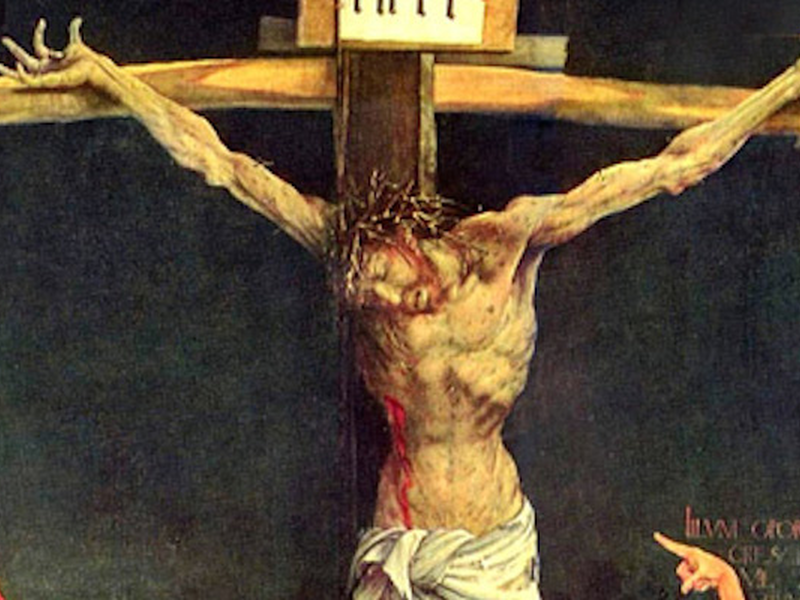
cross-grunwald
Cross

How Mist Gains Weight

Philip Schaff, a German Reformed theologian, states in The Principle of Protestantism that the material principle of Protestantism is “the doctrine of the justification of the sinner before God by the merit of Christ alone through faith.” This is the core message of the Church which leads “to the abandonment…

by Bogumil JarmulakDecember 6, 2016
mountain-top
Biblical Theology

Jesus and Godel's Theorem

“Religion” is an attempt to create or build a tower with a top, or to build a temple that is self-contained. The story of The Tower of Babel in Genesis 11 is the story of mankind’s attempt to create a world that is self-contained and does not need God. All…

by Richard BledsoeDecember 1, 2016
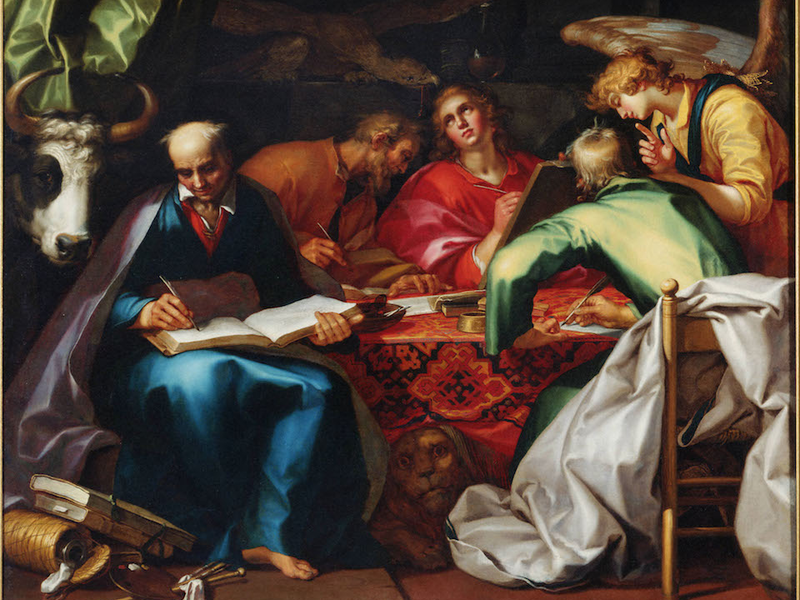
four-evangelists
Matthew

Dating Matthew, (Part 2)

In the first essay in this series, I presented a case for dating Matthew before AD 70, contrary to the present scholarly consensus. In this essay, I intend to present cultural, personal, ecclesiological, and theological arguments for a very early date for Matthew. [1] The cultural argument concerns literacy in…

by Ralph Allan SmithNovember 29, 2016

Showing page 121 of 309

See all
See all

Subsystemic Conflict

I rene Dingel's contribution to Lutheran Ecclesiastical Culture, 1550-1675 examines the role of controversy in the formation of Lutheran theology and practice. She examines several early intra-Lutheran controversies, among them the contest between the Gnesio-Lutherans led by Matthias Flacius and the “Philippists” led by Melanchthon. The former accused the latter…

February 7, 2017

Renewal and Temple Personnel

I n a 1991 article in the Journal of Biblical Literature , John H. Wright asks what role 1 Chronicles 23–27 play in the Chronicler's account. The chapters look like a digression. David delivers an exhortation to Solomon (1 Chronicles 23) and makes him king (23:1), but that is followed…

February 7, 2017

Ecumenism in the Sixteenth Century

D uring the early decades of the Reformation, there were efforts on all sides to reconcile Reformers and Catholics. Diarmaid MacCulloch ( Europe's House Divided ) describes the ecumenical efforts of the Archbishop of Cologne, Hermann von Wied. Von Wied was not a promising candidate to be a reform leader:…

February 6, 2017

Disenchantment and Anthropomorphism

A t the beginning of their Dialectic of Enlightenment , Max Horkheimer and Theodor Adorno define Enlightenment in terms of disenchantment of the world: “Enlightenment’s program was the disenchantment of the world. It wanted to dispel myths, to overthrow fantasy with knowledge. Bacon, ‘the father of experimental philosophy,' brought these…

February 3, 2017
Reformation

Rival Tidinesses

T he Reformation and the Catholic reaction to it caused a massive split within Western Christendom, and further divisions proliferated from that original split. As Diarmaid MacCulloch points out ( Reformation: Europe's House Divided 1490–1700 ), that is only one part of the story: “The Protestant communities, which for a…

February 3, 2017

Crackdown

“T he most influential work of Italian spirituality in these years, the Beneficio di Cristo (published 1543, and apparently selling in tens of thousands before translation into other European languages), illustrates this continuing shapelessness—it was itself a somewhat shapeless work. It was written by a Cassinese Benedictine monk Don Benedetto…

February 3, 2017

Showing page 209 of 2212

Browse by Category

In Medias Res

Your weekly digest for all things Theopolis.

Donate

Theopolis is nearly 100% donor-supported. Consider joining us on our mission.