Theopolis Logo

Writing

Explore our collection of theological essays, biblical studies, and reflections on faith and culture.

See all
cloister

Gatekeepers

1 Chronicles 9:1 seems to bring the genealogies of 1 Chronicles to an end. The Chronicler has recorded the genealogy of the human race from Adam, focusing on the descendants of Abraham through Jacob. Summing it all up, he says, “So all Israel was enrolled by genealogies; and behold, they…

by Peter LeithartJune 21, 2016
trinity-1-2
Trinity

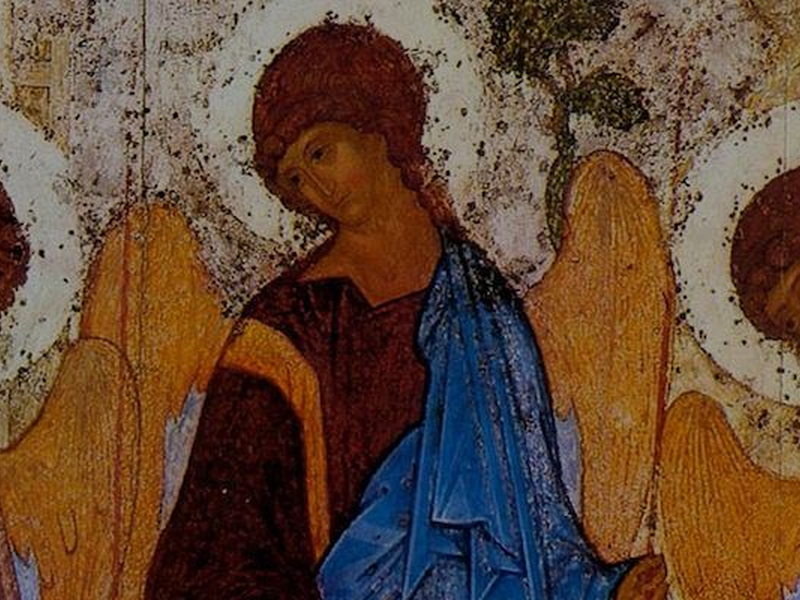
Are the Divine Persons Persons?

The “personalist” understanding of the Trinity, articulated most influentially in the work of John Zizioulas, has fallen on hard times. Recent scholars have attacked Zizioulas’s idea that Cappadocian Trinitarianism represented an ontological revolution, hammering on the distinction between divine and human personhood. Michel Barnes’s conclusion is the most drastic of…

by Peter LeithartJune 16, 2016
img_4660-2
Architecture

On Biblical Theology

Biblical Theology is often defined as the historical unfolding of God’s revelation, or of God’s revelation and of the history of his covenantal redemption and transformation of humanity and the world. In practice, Biblical Theology is usually broader than this, and also includes the study of literary structure and of…

by James B. JordanJune 14, 2016
laughing_statue_by_xxbobbiie-d5f0meh-2
Humor

Wise Laughter

We are made to be happy. Created to enter into the eternal joy of God, our whole being inclines to that end, but the fallen world has put forth barriers and by our own sin we bar ourselves from that endless delight, and death blinds us to that reality. Yet…

by Remy WilkinsJune 7, 2016
img_7664
Liturgy

Why Theopolis? Take Two

At the end of Revelation, John sees the heavenly city descending to earth. The city shines with the brilliance of God's glory, which lightens the nations, so that kings bring their glory to the city. This is not a vision of the final new heaven and new earth. It's a…

by Peter LeithartJune 2, 2016
trinity-1-2
Attributes of God

How Can We Talk About God?

“No one has ever seen God,” writes John (John 1:18). If this is the case, then how can we speak about God? Some people say we actually cannot. Or at least we cannot speak about God positively, i.e. who He is. We can only say who or what God is…

by Bogumil JarmulakMay 31, 2016

Showing page 130 of 309

See all
See all

Trump's Old Testament

W alter McDougall ( Promised Land, Crusader State , 4–5) divides the history of American foreign affairs into two testaments, summarized by the two phrases of the title. “Our Old Testament dominated the rhetoric and, for the most part, the practice of U.S. diplomacy from 1776 to the 1890s, and…

January 27, 2017
Jane Austen

Yo' Great-Grandma's Austen

I n her TLS review of new books about Jane Austen, Devoney Looser comments on the irony that we think of Austen as a truthful, i.e., “factual,” novelist, a reporter of life as it was. In fact, “Austen's writings rarely fetishize facts. Her early foray into history writing famously describes…

January 27, 2017

They Do It On Purpose

T he Economist summarizes the notion of “information asymmetry” pioneered by George Akerlof and others. Using a used car lot a setting for a thought experiment, Akerlof showed (in a paper published in 1978) that the information asymmetry between buyers and sellers kills the market. Sellers can tell the good…

January 27, 2017

The Wire as Greek Tragedy

T he Wire is the best TV series I've ever seen. Also among the raunchiest. In an aside in an eccentric piece comparing the Fairie Queene to Hegel's Phenomenology of Spirit , Cambridge English scholar Joe Moshenska sketches an even more eccentric comparison of Spencer's poem to The Wire :…

January 27, 2017

President Rickles

L ike all right-thinking Americans, Emily Nussbaum is suitably horrified by Trump's election. But she grasps his appeal better than most. He won by being a better stand-up comic and shrugging off criticism by claiming he was just joking: “Trump was a hot comic, a classic Howard Stern guest. He…

January 27, 2017

Apocalypse Sans Apocalypse

I n her study of postmodern apocalypticism, Apocalyptic Transformation (xxiii–xxv), Elizabeth Rosen asks what effects secularization has on apocalyptic stories. The most obvious thing is a change in “how the deity is portrayed.” The perfect God of traditional theism is out; “secular deities are often imperfect characters, neither absolutely omniscient…

January 27, 2017

Showing page 212 of 2212

Browse by Category

In Medias Res

Your weekly digest for all things Theopolis.

Donate

Theopolis is nearly 100% donor-supported. Consider joining us on our mission.