Theopolis Logo

Writing

Explore our collection of theological essays, biblical studies, and reflections on faith and culture.

See all
31-03-0213
Hermeneutics

Apocalyptic Eyes

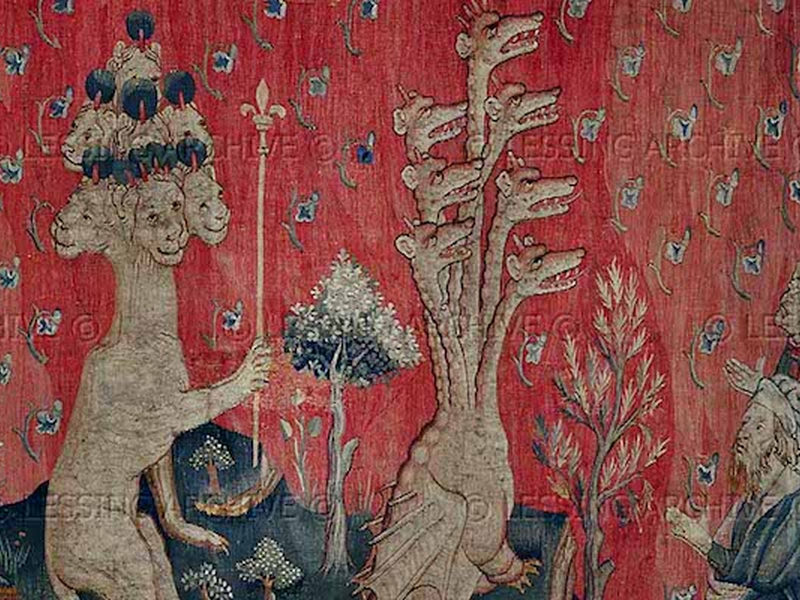
Flying scrolls. Red horses. Beasts coming out of the sea. Winged women. The list goes on. Apocalyptic literature in the Bible is like a cross between science fiction and Marvel comics. And the Bible has a fair bit of this sort of thing. Daniel sees visions in Babylon, Zechariah sees…

by Toby SumpterNovember 4, 2014

bhm-skyline-2
Theopolis News

New Name, New Look

Trinity House Institute has taken a new name, the Theopolis Institute. This striking new name expresses our unique vision and mission and captures the unified purpose behind all our specific programs and activities. We still have Bible, liturgy, and culture in our tagline. We still offer the same courses on…

by TheopolisNovember 4, 2014
istock_000012860926small
Atonement

Not Fearing the Devil

Adam Kotsko offers a socio-political variation on the Christus Victor atonement theory in his 2010 study, The Politics of Redemption: The Social Logic of Salvation . He does this by explaining "the devil" in terms of the Hegelian concept of "objective spirit," Geist . As Kotsko puts it, Geist "refers…

by Peter LeithartOctober 13, 2014
jez-timms-8muutamcwu4-unsplash
Leviticus

The Meaning of Sacrifice

Two factors keep Nahtali Meshel from discussing the meaning of sacrifice until late in his The "Grammar" of Sacrifice . The first has to do with the texts he draws from: "P says little about the meaning of its rituals" (174). The other has to do with the grammatical theory…

by Peter LeithartOctober 8, 2014
jez-timms-8muutamcwu4-unsplash
Leviticus

Praxemics

Chapter 5 of Naphtali Meshel's The "Grammar" of Sacrifice focuses on "praxemics," the physical actions of sacrificial ritual. Praxemes are constituted by six elements: an "atomact," an elementary physical act or gesture; an actor; an object that is acted up; a target for the action and often for the object…

by Peter LeithartOctober 6, 2014
markus-winkler-aid-xyrtlec-unsplash
Leviticus

Jugation and Hierarchy

Two chapters of Naphtali Meshel’s The “Grammar” of Sacrifice cover what he calls “jugation” and “hierarchies.” The first involves the addition of other materials to an animal offering. Jugates include wine, cereal, and oil that are added to the animals (zoemes) that are offered in sacrifice. Some jugates are coordinated…

by Peter LeithartOctober 1, 2014

Showing page 167 of 309

See all
See all

Joyous Exchange, Magnificent Duel

Robert Kolb ( Martin Luther: Confessor of the Faith ) observes that Luther resisted presenting a systematic theology of atonement. Instead, he employed various biblical images and descriptions to meet the pastoral needs of his audience: “When he addressed the guilt or shame of his hearers, Luther presented Christ’s substitutionary…

January 27, 2017

Frackin' Innovative

V auhini Vara reports at The Atlantic about how US frackers beat OPEC. The story starts in 2014 when “U.S. shale oil represented about 5 percent of the oil being produced worldwide. But the process was expensive, which suggested to many that shale producers could not stay in business if…

January 27, 2017

Righteousness and Relation

A ccording to Robert Kolb ( Martin Luther: Confessor of the Faith , 125–8) Luther had a “relational” understanding of righteousness: “Whereas most medieval thinkers conceived of human ‘righteousness’ in terms of performance or activity, Luther believed that the concept rested on a deeper foundation. Righteousness is being what the…

January 27, 2017

Music in the Middle

T he final section of 1 Chronicles is neatly framed by speeches by David. Chapter 22 contains David's speech of encouragement to Solomon, concluded by a brief exhortation to “all the leaders” (22:17–19). Chapters 28–29 record several public speeches, marked by “David said” and interspersed with descriptions of temple furnishings:…

January 26, 2017

Anticlericalism and Reformation

A nticlerical agitation was more consequence than cause of the English Reformation, argues David Loades in his contribution to Anticlericalism . Fashions change, including religious ones; monkish religion was not as popular by the beginning of the sixteenth century as it had been, and the energy was with the friars.…

January 26, 2017

David’s Pharaoh Moment

1 Chronicles doesn't say anything about David's sin against Bath-Sheba and Uriah (cf. 2 Samuel 11–12). Bath-Sheba is never mentioned in Chronicles at all, Uriah only once, in a list of David's warriors (1 Chronicles 11:41). In the Chronicler's account, David's great sin is taking a census of Israel (1…

January 25, 2017

Showing page 213 of 2212

Browse by Category

In Medias Res

Your weekly digest for all things Theopolis.

Donate

Theopolis is nearly 100% donor-supported. Consider joining us on our mission.