Theopolis Logo

Writing

Explore our collection of theological essays, biblical studies, and reflections on faith and culture.

See all
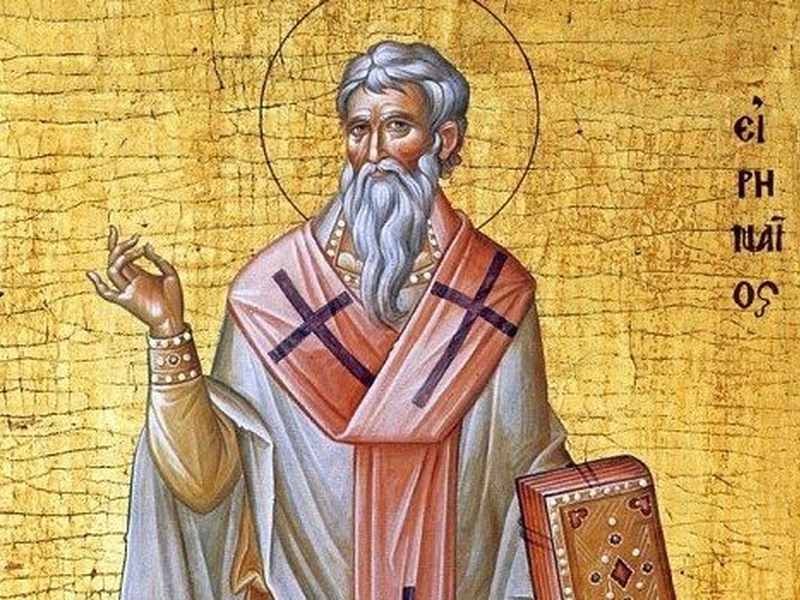
irenaeus-of-lyons-620x350
Anthropology

What Irenaeus’ Christology Teaches Us about the Goodness of our Bodies

The Christian tradition has always had an uneasy relationship with the materiality of creation. Dirt, liquid, sex, blood, and bodies—the world and the flesh stand in company with the Devil as two of the three great enemies of the saints. Mundus, caro, et diabolus , as the old Latin saying…

by Gerald HiestandSeptember 13, 2018

masada-aerial-crop
Biblical Studies

The Second Death in Liturgy and History

Since the destruction of Jerusalem was an event of earth-shattering covenantal significance, what might be the meaning of the subsequent tragic events at the desert fortress of Masada? In Hebrew, the name Masada means “strong foundation or support,” from a root meaning “to hunt, lie in wait for prey.” Located…

by Mike BullSeptember 11, 2018
pray-442560_1920
How to Worship

Cross My Heart

Take a long look at the photo above. To whom is this woman praying? It is hard to tell, isn’t it? Suppose we watch her for a while. We may see her bow low to the floor. Her lips may move, though perhaps it is too low for us to…

by Christopher KouSeptember 6, 2018
img_7664
Biblical Theology

The Problem of Psalm 137

Psalm 137 is widely regarded as one of the meanest of the imprecatory psalms. Certainly as we read it it is seems to be a song of pure vengeance. The exiles in Babylon, in grief over the judgment that Babylon has brought upon them, pray for the destruction of that…

by James B. JordanSeptember 4, 2018
covenant-epistemology
Course Recap

A Week with Esther Meek: Course Recap

Forty men and women came from all over the United States to attend the 2018 Trinity Term course at Theopolis. Pastors, students, teachers, an electrician, a city planner, and others from a variety of denominations spent five days at Beeson Divinity School studying covenant epistemology under the tutelage of philosopher…

by TheopolisAugust 31, 2018
last-supper
Matthew

Galilee of the Gentiles

Matthew records that Jesus "withdrew" to Galilee to begin His public ministry there after He "heard that John had been delivered up" (Mt. 4:12). Matthew’s typically matter-of-fact style veils the truly remarkable character of Jesus’ withdrawal. Matthew has been presenting Jesus as the Messiah, the Seed of Abraham and Son…

by Peter LeithartAugust 31, 2018

Showing page 88 of 309

See all
See all

Shepherd of Israel

1 Chronicles 11–12 form a unit, framed by references to David’s coronation ceremony at Hebron: A. Gathering at Hebron, conquest of Jerusalem, 11:1–10 B. David’s followers while a fugitive, 11:11–47 B'. David’s host at Ziklag, 12:1–22 A’. Coronation festival at Hebron, 12:23–40 11:1-10 is itself framed by references to “all…

October 25, 2016
Reformational Catholicism

Reformational Catholicism, A Wish-List

I n a 2014 piece published in First Things , I offered a “wish list” for Protestant churches, a checklist for a future catholic Protestantism. The wish list doesn't cover everything. It doesn't mention those things that Protestants, especially Evangelicals, already do, often exceedingly well, things like missions and evangelism…

October 24, 2016

Lust Made Law

D ante is moving through the circle of the lustful (Comedy, Canto 5) and sees a host of classical lovers. Among them is Semiramis, less famous than Dido or Cleopatra, but an exceedingly important illustration of how lust misshapes language and law. Rodney Payton explains ( A Modern Reader’s Guide…

October 21, 2016

Incontinence, Malice, Bestiality

E xplaining the moral structure of hell in Canto 11 of Dante’s Comedy , Virgil lays out three general categories of sin: incontinence, malice, and mad bestiality (lines 83-4). That’s not quite what we expect, or what most commentators see. It seems more like incontinence, violence, and fraud. Incontinent sins…

October 21, 2016

Infernal Baptism

R odney Payton ( Modern Reader’s Guide to Dante’s Inferno , 88–89) observes that “Dante’s vocabulary is rich in words denoting water,” including “the Italian words for water, river, little river, bog, marsh, stream, pond, slough, fount, and waves, at lest. In many cases the nouns are modified by adjectives…

October 21, 2016
Shakespeare

Antidote to Sadness

A ntonio of Venice is inexplicable sad. So is Portia of Belmont, her “little body . . . aweary of this great world” ( Merchant of Venice 2.1). Antonio and Portia have all that they could want. They aren’t anxious about money; neither is pining for love. Why so sad?…

October 21, 2016

Showing page 240 of 2212

Browse by Category

In Medias Res

Your weekly digest for all things Theopolis.

Donate

Theopolis is nearly 100% donor-supported. Consider joining us on our mission.