Theopolis Logo

Writing

Explore our collection of theological essays, biblical studies, and reflections on faith and culture.

See all
tanner-mardis-xuxghzhibn4-unsplash-1-2
Biblical Studies

Tweets-turned-Notes on the Bible’s Chronology

Summary In what follows, I will consider the “year-stamps” employed in Scripture, i.e., statements of the form, “Such-and-such an event took place in the Xth year of Y.” In the process, I will suggest some ways in which the Biblical narrative might relate to events in the extra-Biblical world, though…

by James BejonJuly 16, 2019
durer-prodigal-son-2
Luke

Perspectives on the Prodigal, (Part 2)

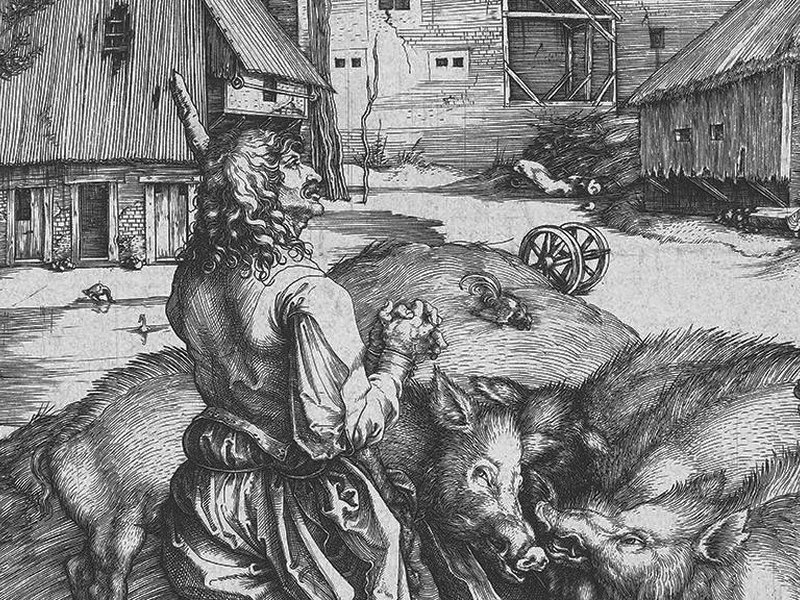
In the first essay on the parable of the Prodigal Son, I suggested that the problems commentators and others encounter in interpreting Jesus three-part parable are not accidental. These are not just problems in our ignorance of cultural background. They are intentional features of the stories —stories designed to poke…

by Ralph Allan SmithJuly 11, 2019
durer-prodigal-son-2
Luke

Perspectives on the Prodigal, (Part 1)

The story of the Prodigal Son is perhaps the most well-known story in the Bible. As others have observed, it may also be one of the most misunderstood. In two short essays, I will point out features of this story that are commonly neglected, aspects of Jesus’ parable that might…

by Ralph Allan SmithJuly 9, 2019
de-rijke-man-en-de-arme-lazarus-by-jacopo-da-ponte-16th-century
Luke

Lazarus and the Rich Man

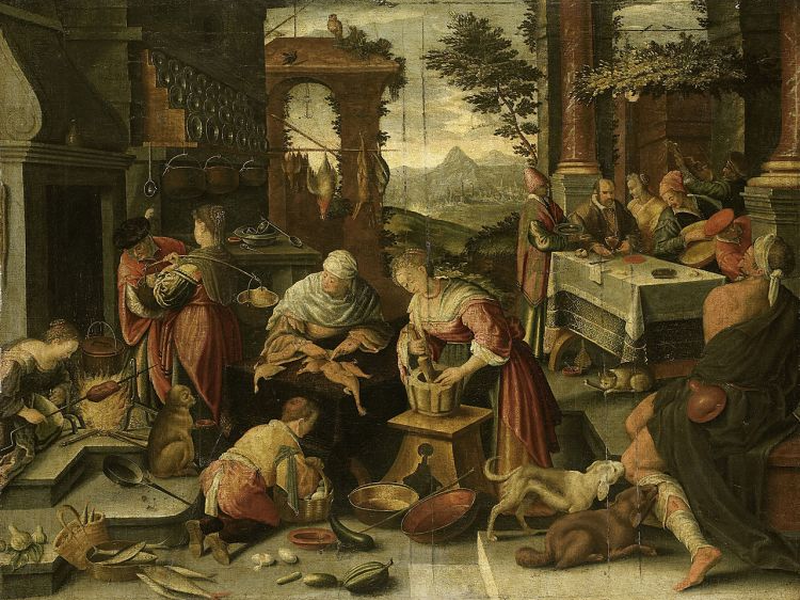
The parable of Lazarus and the nameless rich man is not an independent story. It is part of a long context that begins in Luke 15:1, where Jesus is eating with tax collectors and sinners and the scribes and Pharisees grumble. In response to their hardheartedness, Jesus tells a three-part…

by Ralph Allan SmithJuly 4, 2019
aaron-burden-uynrnfdkjwg-unsplash
Luke

Everybody has Dropsy - Luke 14:1-24

The Bible is written so that even when a reader cannot pick up on what might be deeper or more detailed aspects of a text, there is virtually always a message to be heard. In the ancient world, where the “reader” of Scripture would likely be a church official facing…

by Ralph Allan SmithJuly 2, 2019
communion
Biblical Theology

Fruit Trees and Grain Plants

The distinction between garden (or vineyard) and field begins in Genesis 2. This relates to the ordering of the formless world. Plants of the field are contrasted with the garden planted by God in Genesis 2:5&8. Later on, under the Old Covenant the Israelites will be required to keep their…

by James B. JordanJune 27, 2019

Showing page 77 of 309

See all
See all

Kingdom First

W hatever else the 2016 Presidential cycle has accomplished, it has brought the chasm between nationalism and globalism into sharp relief. Many see this divide as the issue of the campaign ( Robert Merry ) or of the century ( Pat Buchanan ). It seems to be a choice we…

August 2, 2016

From 2 to 70

G enealogies occupy a large portion of the opening chapters of the Bible, tracing a line from Adam and Eve through ten generations to Noah. Noah fathers a new human race through his three sons, the 70 nations listed in Genesis 10. From 2 (Adam and Eve, Noah and Mrs.…

August 2, 2016

Bless This House

Prayers for the blessing of a house, adapted from this order of house blessing. A t the doorway : O God, heavenly Father, Lord of heaven and earth, protect our going out and our coming in. Banish demons, defeat all curses, and station your angels at this door. Shine the…

August 1, 2016

Dawn After Evening

P astor Rich Lusk of Trinity Presbyterian Church, Birmingham, Alabama, points out that, narratively, the entire gospel of Mark takes place during the night. The sun sets in Mark 1:32 and there is no reference to a sunrise until 16:2, on the first day of the week when the women…

August 1, 2016

Words in Search of Meaning

B en Lerner remembers his youthful play with half-understood words, and finds there a clue to the meaning of poetry: “I remember my feeling that I possessed only part of the meaning of the word, like one of those fragmented friendship necklaces, and I had to find the other half…

July 29, 2016

Don't Break My Name

B en Lerner discovers the power of linguistic repetition in childhood games: “every kids know the phenomenon that psychologists call ‘semantic saturation,' wherein a word is repeated until it feels emptied of sense and become mere sound - ‘to repeat, monotonously, some common word, until the sound, by dint of…

July 29, 2016

Showing page 270 of 2212

Browse by Category

In Medias Res

Your weekly digest for all things Theopolis.

Donate

Theopolis is nearly 100% donor-supported. Consider joining us on our mission.