Theopolis Logo

Writing

Explore our collection of theological essays, biblical studies, and reflections on faith and culture.

See all
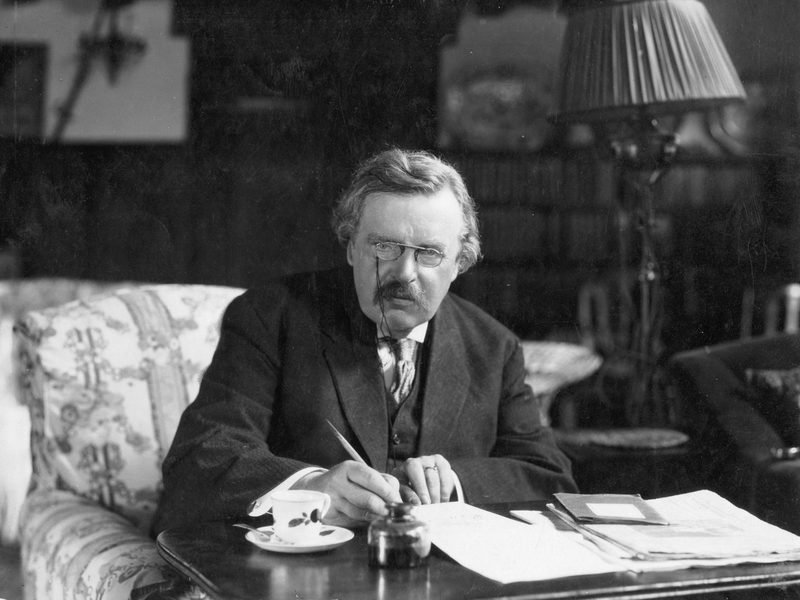
g-_k-_chesterton_at_work
Books

Interpreting "The Man Who Was Thursday"

I just finished re-reading G. K. Chesterton’s The Man Who Was Thursday . I have in the past had the temerity to say that I believe it to be the best novel of the 20th century. Be that as it may, I still maintain that it is at least one…

by Richard BledsoeJanuary 7, 2022
10779-istockgetty-images-plusredletterw
Hebrews

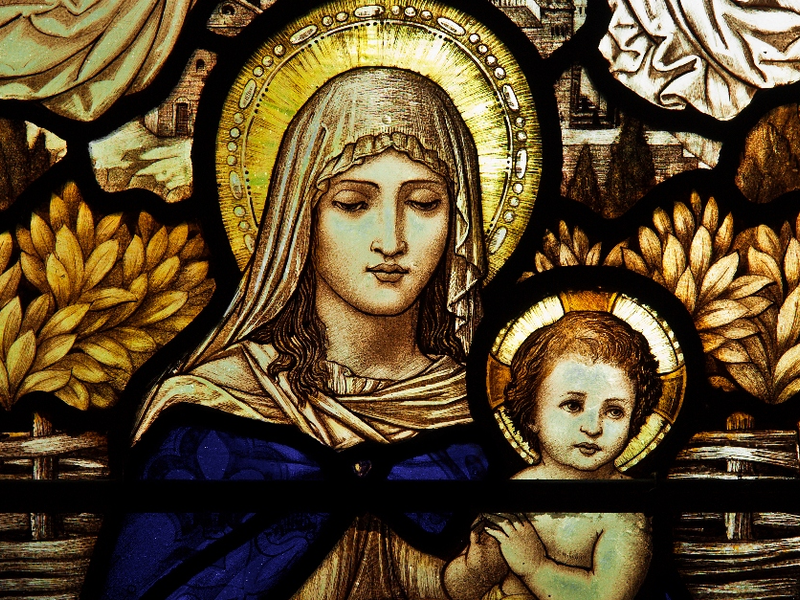
The Universality of Mary’s Wound

And Simeon blessed them and said to Mary his mother, “Behold, this child is set for the fall and rising of many in Israel, and for a sign that is spoken against and a sword will pierce through your own soul also, that thoughts out of many hearts may be…

by Garrett SoucyJanuary 4, 2022
heartierhymnals-stockimage
Music

An Argument for Heartier Hymnals

I was inspired to write this article after reading John Ahern’s The Case for Shorter Hymnals first published on Theopolis Institute’s website on November 16, 2021. Mr. Ahern and I are writing with different audiences and emphases in mind. I am thankful we both share a mutual desire to see…

by Jarrod RicheyDecember 30, 2021
tim-marshall-k2u71wv2ei4-unsplash-1
Biblical Studies

Image of God

If you’ve spent any time in the social-media galaxy of Christian cultural commentators, you have almost definitely run across the Latin phrase Imago Dei . It means image of God . Why they usually say it in Latin, I couldn’t tell you. We saw it in the wake of the…

by Daniel HoffmanDecember 28, 2021
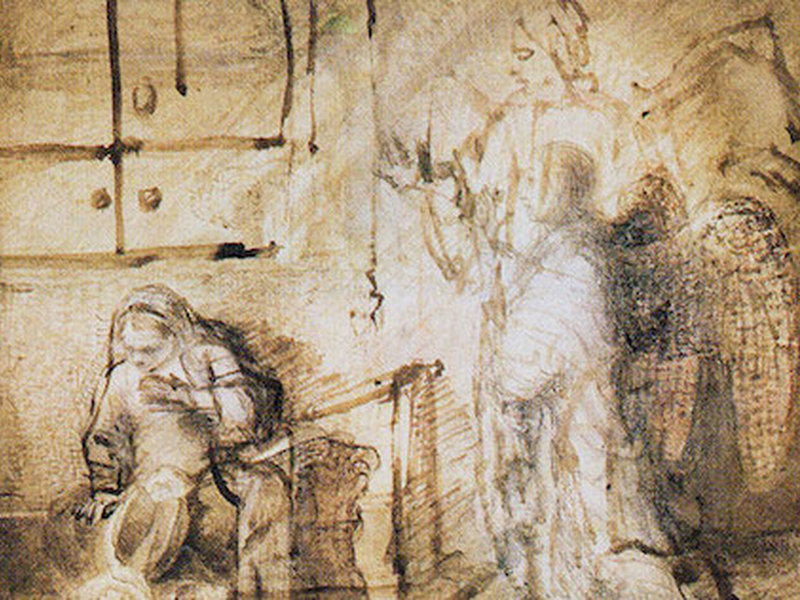
annunciation
Advent

He Comes to Make His Blessings Known: "Son of David" and "Son of Abraham" in Matthew 1:1

The Gospel of Matthew—indeed, the New Testament—begins with a list of names, and that list of names is introduced by this heading: “The book of the generations of Jesus Christ, the son of David, the son of Abraham.” Why start like this? Why “the son of David” and “the son…

by Josh JensenDecember 23, 2021
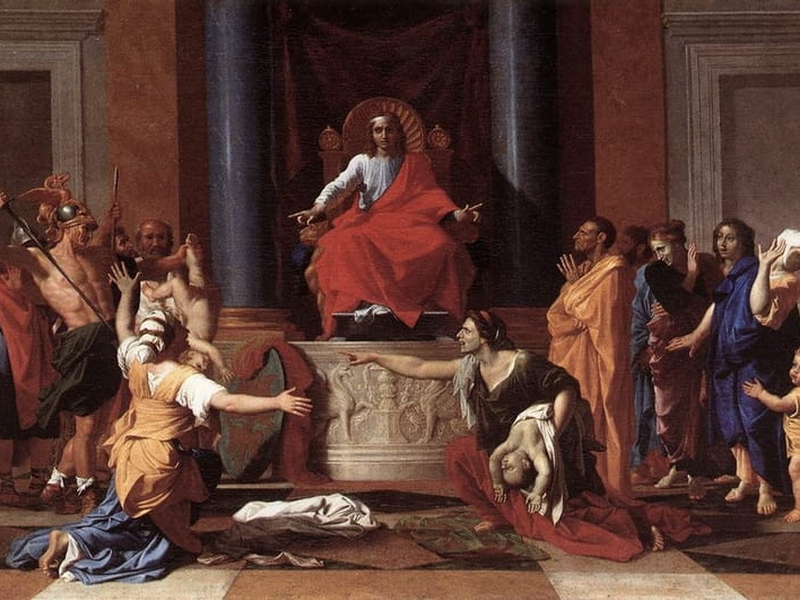
49980-nicolas_poussin_-_the_judgment_of_solomon_-_wga18330-800w-tn
Biblical Studies

On Not Needing to Cut the Baby in Half

A blade is raised. A child wails. But the brow under the crown is untroubled. Solomon knows that the raising of the sword will reveal the true parent and the identity of the son. But how did he know this? Abraham’s willingness to sacrifice Isaac certainly bears some of the…

by Jonathan WhiteDecember 21, 2021

Showing page 48 of 309

See all
See all

Losing Face

In his 2013 book, Saving Face , Stephen Pattison observes that infants very quickly begin to notice and recognize faces, and to imitate the expressions they see. “To be and to become human socially and emotionally,” he writes, “is to engage in real, nuanced, face-to-face visual relations.” When a child…

April 1, 2016

De-Aristotelianizing Plato

Between 1900 and 1960, scholars believed that Plato held to a “cosmological” view of the divine, the notion that gods are “personified forces responsible for bringing order to the sensible world.” Since then, scholars have adopted a “metaphysical” interpretation, arguing that Plato's god is finally a metaphysical principle. So argues…

April 1, 2016

Breaking the Contract

Ryan Leif Hansen ( Silence and Praise ) describes Roman imperial religion as a social contract that bound the gods, the emperor, and the Roman people in a stable, peaceful order: “ Cultic ritual, sacrifice, and the related economic exchange were integral for sustaining the order of the cosmos ,…

March 31, 2016

Son of Pain

Sara Japhet ( I and II Chronicles ) notes the “unusual” structure of the etiological story behind the name “Jabez” in 1 Chronicles 4:9-10. Typically, “an aetiology offers an explanation for a given datum (commonly, but not always, a name) by recounting the causes from which it arose and demonstrating…

March 31, 2016
daniel-james-dhw68hz9kba-unsplash

Sterilizing Marriage

In his powerful manifesto, Nation of Bastards , Douglas Farrow argues that the Kulturkampf in which we find ourselves began in the early part of the 20th century with “the promotion of sterilization, eugenics, and the contraceptive mentality.” In short, it started “as an attack on children,” more horrifically in…

March 31, 2016

Art of Politics

In his reflections on Carl Schmitt, Paul W. Kahn ( Political Theology ) contrasts Enlightenment political rationalism to Schmitt's political voluntarism. Kant stands as the representative of the rationalist tradition: “For Kant, the question of freedom was that of how a subject could determine his own action in a causally…

March 30, 2016

Showing page 304 of 2212

Browse by Category

In Medias Res

Your weekly digest for all things Theopolis.

Donate

Theopolis is nearly 100% donor-supported. Consider joining us on our mission.