Theopolis Logo

Writing

Explore our collection of theological essays, biblical studies, and reflections on faith and culture.

See all
evangelists
Matthew

Dating Matthew, (Part 1)

When might the Gospel according to Matthew have been written? Of course, any answer can only be speculation, but that does not mean we are reduced to groundless opinion. In this series of articles I point the way to an approach different from the general consensus among scholars today which…

by Ralph Allan SmithNovember 22, 2016

hebrew-manuscript-3
Hermeneutics

Synopticity, (Part 2)

In my first essay on “synopticity” I offered a rather rough definition of the phenomenon and important, though not exhaustive examples. In this essay, I want to introduce broader aspects of the phenomenon of “synopticity.” The first example that I have in mind is conventional stories, stories of different historical…

by Ralph Allan SmithNovember 17, 2016
screen-shot-2016-03-31-at-9-32-11-am
Ascension

Brexit and the Binding of Satan, Part 4

Since the judgment of Babel was followed by the initiation of the circumcision, the impending end of the circumcision in AD70 explains the significance of the first century miracle of foreign tongues. Except for a few Aramaic “teasers” in the book of Daniel, the Word of God was monolingual and…

by Mike BullNovember 15, 2016
four-evangelists
Hermeneutics

Synopticity, (Part 1)

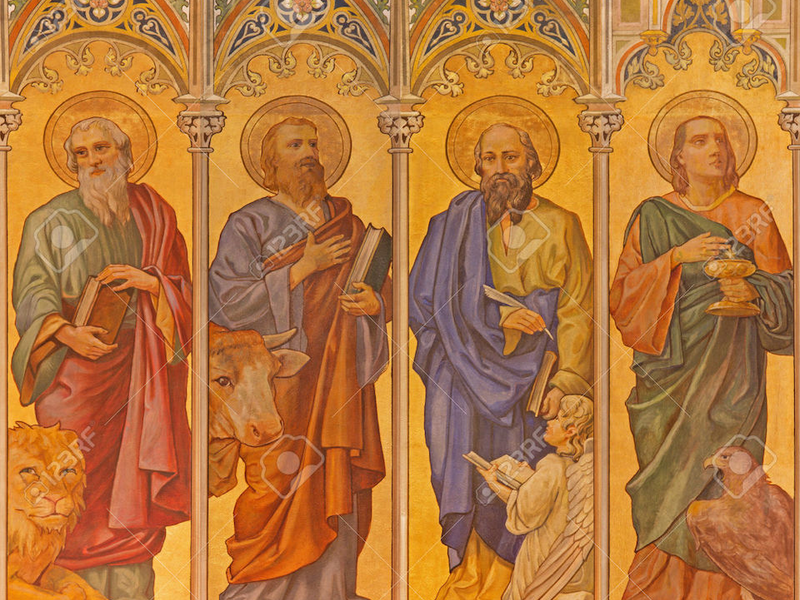
To the best of my knowledge “synopticity” is not a word used in theology or Biblical studies, but it seems an appropriate word to describe the kind of phenomena associated with the Synoptic Gospels, Matthew, Mark, and Luke. These three Gospels tell essentially the same story with significant — sometimes…

by Ralph Allan SmithNovember 10, 2016
laughing_statue_by_xxbobbiie-d5f0meh-2
Humor

Learning to Laugh

Humor is a funny thing. It is altogether familiar yet also mysterious. What makes us laugh? Why do we find things funny? There are academic fields of study dedicated to discovering what makes things humorous. These academicians even have a journal entitled International Journal of Humor Research . No joke.…

by Bill SmithNovember 8, 2016
chaucer
Literature

Flawed Means of Grace: Liturgy in The Pardoner's Tale

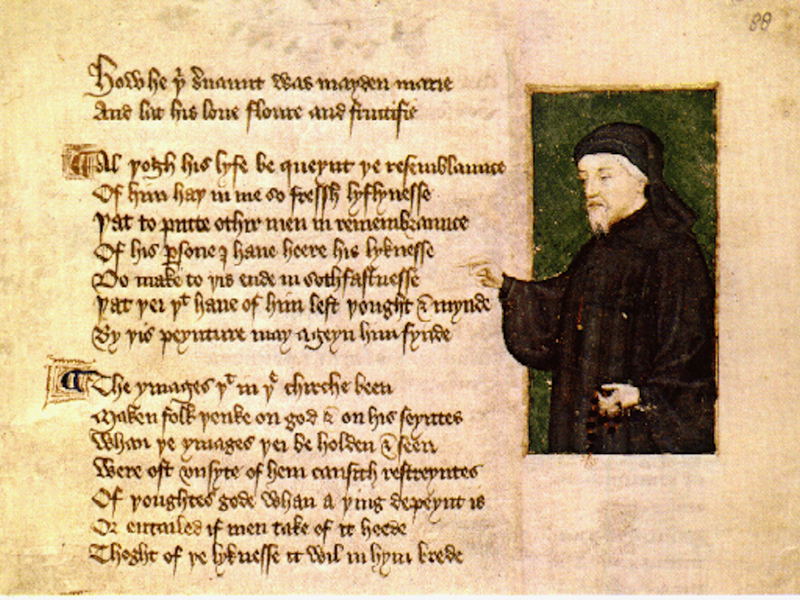
Out of all the characters in Geoffrey Chaucer’s The Canterbury Tales , the Pardoner has been called the “one lost soul.” The pious Parson, who closes out the collection of tales with a sermon on the seven deadly sins and how a sinner can absolve himself of them, connects the…

by Christian LeithartNovember 3, 2016

Showing page 122 of 309

See all
See all
Trinity

Contracting the Trinity

Trinitarian theology blossomed in English theology in the post-Reformation period, evidenced by the creative development of the vestigia trinitatis . During the seventeenth century, though, Trinitarian theology began to contract and wither. According to Philip Dixon ( Nice and Hot Disputes ), there were two dynamics at work. First, Trinitarian…

February 25, 2016

Structure in 1 Chronicles

1 Chronicles begins with a list of 13 names, from Adam to Japheth. From Genesis 10, we know that the list is broken into two lists, 10 + 3. The first ten names mark generations from Adam to Noah; the list of three names are all from the same generation,…

February 25, 2016

Economy of Force

Patricia Owens summarizes her recent Economy of Force in a symposium at The Disorder of Things . Her book is a history of modern counterinsurgency, but that history has much broader implications for the history of political thought and scholarship on international relations. As Owens puts it, “The book is…

February 24, 2016

Liturgical Orientalism

Robert Taft ( “Eastern Presuppositions” and Western Liturgical Reform ) credits the Melkite patriarch and bishops with exercising a disproportionate influence on the direction of reform at Vatican II, due to their “remarkable imaginative and universal vision.” They were the first to state that the council should avoid definitions and…

February 24, 2016

Separability and Situatedness

Marcia Pally's Commonwealth and Covenant is a study of the “economics, politics, and theologies of relationality.” She works through these topics using the categories of “separability” and “situatedness.” Separability is “the ability to leave one's place and develop oneself differently from past and neighbors” (3). She thinks that the contemporary…

February 24, 2016

Debtor Nation

“In 2010, Americans had total debt outstanding of $52.4 trillion, more than three-and-a-half times the country's gross domestic product,” writes Rowena Olegario in The Engine of Enterprise (1). Over $13 trillion is household debt, $24.5 is business debt, and 24% or $12.4 trillion is government debt, mostly federal debt. Each…

February 23, 2016

Showing page 317 of 2212

Browse by Category

In Medias Res

Your weekly digest for all things Theopolis.

Donate

Theopolis is nearly 100% donor-supported. Consider joining us on our mission.