Theopolis Logo

Writing

Explore our collection of theological essays, biblical studies, and reflections on faith and culture.

See all
evangelists
Matthew

Dating Matthew, (Part 1)

When might the Gospel according to Matthew have been written? Of course, any answer can only be speculation, but that does not mean we are reduced to groundless opinion. In this series of articles I point the way to an approach different from the general consensus among scholars today which…

by Ralph Allan SmithNovember 22, 2016
hebrew-manuscript-3
Hermeneutics

Synopticity, (Part 2)

In my first essay on “synopticity” I offered a rather rough definition of the phenomenon and important, though not exhaustive examples. In this essay, I want to introduce broader aspects of the phenomenon of “synopticity.” The first example that I have in mind is conventional stories, stories of different historical…

by Ralph Allan SmithNovember 17, 2016
screen-shot-2016-03-31-at-9-32-11-am
Ascension

Brexit and the Binding of Satan, Part 4

Since the judgment of Babel was followed by the initiation of the circumcision, the impending end of the circumcision in AD70 explains the significance of the first century miracle of foreign tongues. Except for a few Aramaic “teasers” in the book of Daniel, the Word of God was monolingual and…

by Mike BullNovember 15, 2016
four-evangelists
Hermeneutics

Synopticity, (Part 1)

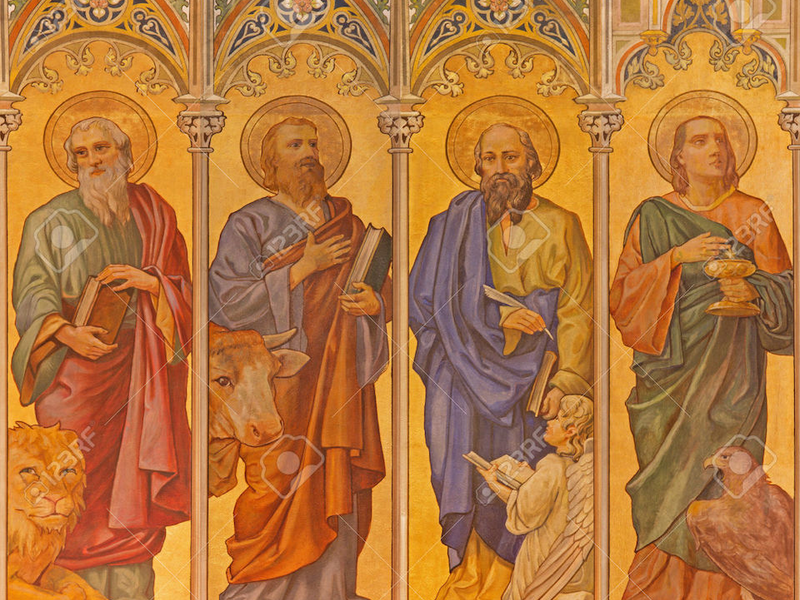
To the best of my knowledge “synopticity” is not a word used in theology or Biblical studies, but it seems an appropriate word to describe the kind of phenomena associated with the Synoptic Gospels, Matthew, Mark, and Luke. These three Gospels tell essentially the same story with significant — sometimes…

by Ralph Allan SmithNovember 10, 2016
laughing_statue_by_xxbobbiie-d5f0meh-2
Humor

Learning to Laugh

Humor is a funny thing. It is altogether familiar yet also mysterious. What makes us laugh? Why do we find things funny? There are academic fields of study dedicated to discovering what makes things humorous. These academicians even have a journal entitled International Journal of Humor Research . No joke.…

by Bill SmithNovember 8, 2016
chaucer
Literature

Flawed Means of Grace: Liturgy in The Pardoner's Tale

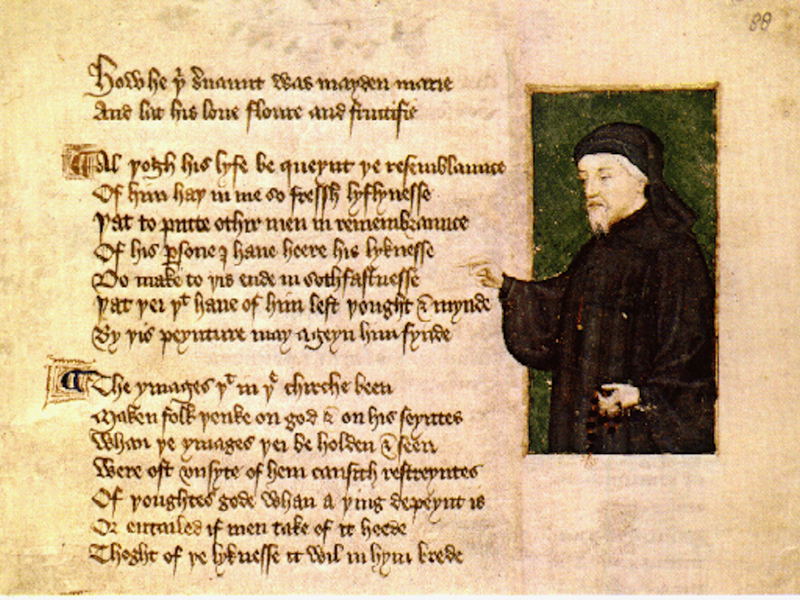
Out of all the characters in Geoffrey Chaucer’s The Canterbury Tales , the Pardoner has been called the “one lost soul.” The pious Parson, who closes out the collection of tales with a sermon on the seven deadly sins and how a sinner can absolve himself of them, connects the…

by Christian LeithartNovember 3, 2016

Showing page 122 of 309

See all
See all

Shakespeare's Songs

Late at night in Lady Olivia’s great house in Illyrium, three friends – Sir Toby, the lady’s uncle, Feste her fool, and Sir Andrew Aguecheek, her hapless suitor – sing drunken songs that resound loudly through the empty halls. Malvolio, Lady Olivia’s stern steward and “something of a Puritan,” rises…

December 7, 2015

Parochial Postmodernism

David Harvey ( Ways of the World ) describes our cultural moment in terms of “space-time compression,” and finds an analogy with the speed-up of life that was widely noted at the beginning of the twentieth century: “While historical analogies are always dangerous, I think it no accident that postmodern…

December 7, 2015

Momanomics

In her collection of essays on money, Slave of Two Masters , Melinda Selmys devotes several pages to the celebration of motherhood and its unique economics. Taking her cue from the curse of Genesis 3, she argues that men have always “lorded” over women by claiming all important human achievements…

December 7, 2015

How God Fixes Things

The cry has come up from our national journalogians at the NYT and the Daily News : “God isn't fixing this. No more prayers. Let's get some action.” If God - the living God - were to get busy fixing things, they may not like the way He goes about…

December 7, 2015

In the Fullness of Time

As Robert Jenson has argued, the big question of religion is the question of eternity: How is God related to time? For Greco-Roman paganism and for the great religions of the far east, god or the gods are immune to time, alien to time. The whole point of Plato's forms…

December 4, 2015

Hamlet in Society

Despite the distracting use of the opposition of of “authenticity” and “responsibility,” Terry Eagleton has some thoughtful observations on the tragic dilemma in Hamlet ( Shakespeare and Society , 1967). Hamlet’s is a society of “reciprocal human definitions,” that is to say, a man’s identity is mirrored to him by…

December 4, 2015

Showing page 344 of 2212

Browse by Category

In Medias Res

Your weekly digest for all things Theopolis.

Donate

Theopolis is nearly 100% donor-supported. Consider joining us on our mission.