
Theopolis Logo

Writing

Explore our collection of theological essays, biblical studies, and reflections on faith and culture.

See all
cloister

Gatekeepers

1 Chronicles 9:1 seems to bring the genealogies of 1 Chronicles to an end. The Chronicler has recorded the genealogy of the human race from Adam, focusing on the descendants of Abraham through Jacob. Summing it all up, he says, “So all Israel was enrolled by genealogies; and behold, they…

by Peter LeithartJune 21, 2016
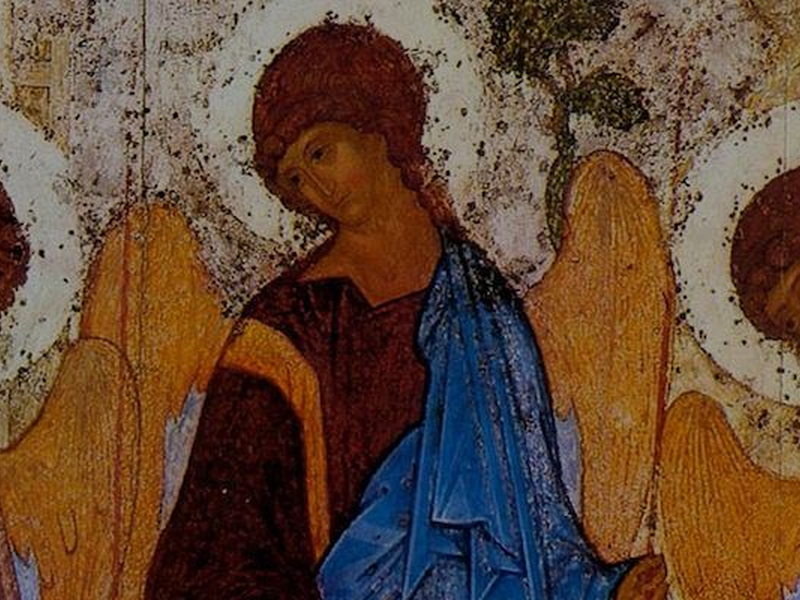
trinity-1-2
Trinity

Are the Divine Persons Persons?

The “personalist” understanding of the Trinity, articulated most influentially in the work of John Zizioulas, has fallen on hard times. Recent scholars have attacked Zizioulas’s idea that Cappadocian Trinitarianism represented an ontological revolution, hammering on the distinction between divine and human personhood. Michel Barnes’s conclusion is the most drastic of…

by Peter LeithartJune 16, 2016
img_4660-2
Architecture

On Biblical Theology

Biblical Theology is often defined as the historical unfolding of God’s revelation, or of God’s revelation and of the history of his covenantal redemption and transformation of humanity and the world. In practice, Biblical Theology is usually broader than this, and also includes the study of literary structure and of…

by James B. JordanJune 14, 2016
laughing_statue_by_xxbobbiie-d5f0meh-2
Humor

Wise Laughter

We are made to be happy. Created to enter into the eternal joy of God, our whole being inclines to that end, but the fallen world has put forth barriers and by our own sin we bar ourselves from that endless delight, and death blinds us to that reality. Yet…

by Remy WilkinsJune 7, 2016
img_7664
Liturgy

Why Theopolis? Take Two

At the end of Revelation, John sees the heavenly city descending to earth. The city shines with the brilliance of God's glory, which lightens the nations, so that kings bring their glory to the city. This is not a vision of the final new heaven and new earth. It's a…

by Peter LeithartJune 2, 2016
trinity-1-2
Attributes of God

How Can We Talk About God?

“No one has ever seen God,” writes John (John 1:18). If this is the case, then how can we speak about God? Some people say we actually cannot. Or at least we cannot speak about God positively, i.e. who He is. We can only say who or what God is…

by Bogumil JarmulakMay 31, 2016

Showing page 130 of 309

See all
See all

Abraham in Shakespeare

Ken Jackson's Shakespeare & Abraham is not, he says, “a traditional study of literary borrowing or influence that primarily seeks to link Genesis 22 and Shakespeare via philological evidence.” He does note verbal echoes and allusions (Shakespeare's use of the Abrahamic “Here I am” at critical moments in some plays),…

November 30, 2015

Materialist Idolatry

Nearly all our terms for immaterial concepts were originally terms for material objects. Words for “spirit” originally meant “breath” or “wind”; we use “conceive” to refer to a mental act, but it originally signified grasping with the hand (42). That has led, Owen Barfield wrote ( History, Guilt, and Habit…

November 30, 2015

Being in Gratitude

Barth ( Church Dogmatics , 3.2, section 44) discusses gratitude under the heading of “man as a creature of God,” but creatureliness needs to be seen in a particular way. Man is summoned by the word of grace, by God’s address and affirmation of man. We are “called into life…

November 25, 2015

Advent's Spirit of Sonship

Luke 1 is Trinitarianly odd. Our creeds, growing out of Matthew 28:18-20 and other biblical texts, speak of the order of the Trinity as “Father, Son, Spirit.” That reflects the order of the economy: The Father does send the Son; and then the Son ascends to heaven, and sends the…

November 25, 2015

Prayer and Unity

It's significant, writes Walter Kasper ( Handbook of Spiritual Ecumenism ), that “Jesus did not primarily express his desire for unity in a teaching or in a commandment to his disciples, but in a prayer to his Father. Unity is a gift from above, stemming from and growing toward loving…

November 24, 2015

Our Feudal Future?

Nation states have enormous power, which can be projected outwardly and exercised within. We can bomb targets on the other side of the world; the NSA can find out whom you call when for how long. It's also become clear that nation-states are also deeply vulnerable. The most sophisticated technologies…

November 24, 2015

Showing page 347 of 2212

Browse by Category

In Medias Res

Your weekly digest for all things Theopolis.

Donate

Theopolis is nearly 100% donor-supported. Consider joining us on our mission.








