Theopolis Logo

Writing

Explore our collection of theological essays, biblical studies, and reflections on faith and culture.

See all
evangelists
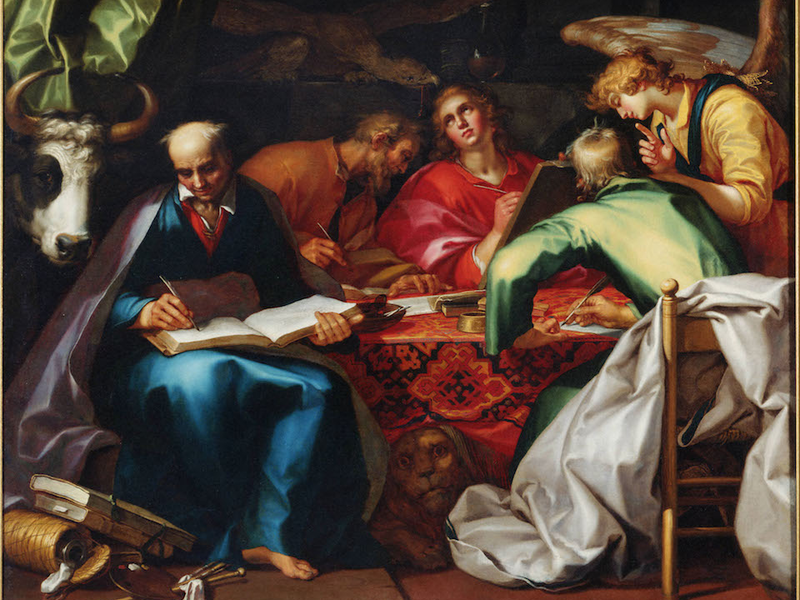
Matthew

Dating Matthew, (Part 1)

When might the Gospel according to Matthew have been written? Of course, any answer can only be speculation, but that does not mean we are reduced to groundless opinion. In this series of articles I point the way to an approach different from the general consensus among scholars today which…

by Ralph Allan SmithNovember 22, 2016
hebrew-manuscript-3
Hermeneutics

Synopticity, (Part 2)

In my first essay on “synopticity” I offered a rather rough definition of the phenomenon and important, though not exhaustive examples. In this essay, I want to introduce broader aspects of the phenomenon of “synopticity.” The first example that I have in mind is conventional stories, stories of different historical…

by Ralph Allan SmithNovember 17, 2016
screen-shot-2016-03-31-at-9-32-11-am
Ascension

Brexit and the Binding of Satan, Part 4

Since the judgment of Babel was followed by the initiation of the circumcision, the impending end of the circumcision in AD70 explains the significance of the first century miracle of foreign tongues. Except for a few Aramaic “teasers” in the book of Daniel, the Word of God was monolingual and…

by Mike BullNovember 15, 2016
four-evangelists
Hermeneutics

Synopticity, (Part 1)

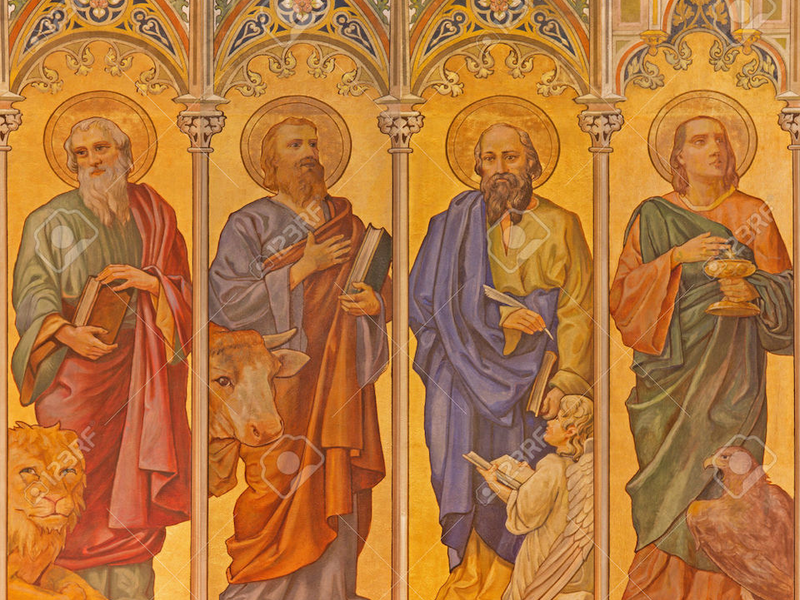
To the best of my knowledge “synopticity” is not a word used in theology or Biblical studies, but it seems an appropriate word to describe the kind of phenomena associated with the Synoptic Gospels, Matthew, Mark, and Luke. These three Gospels tell essentially the same story with significant — sometimes…

by Ralph Allan SmithNovember 10, 2016
laughing_statue_by_xxbobbiie-d5f0meh-2
Humor

Learning to Laugh

Humor is a funny thing. It is altogether familiar yet also mysterious. What makes us laugh? Why do we find things funny? There are academic fields of study dedicated to discovering what makes things humorous. These academicians even have a journal entitled International Journal of Humor Research . No joke.…

by Bill SmithNovember 8, 2016
chaucer
Literature

Flawed Means of Grace: Liturgy in The Pardoner's Tale

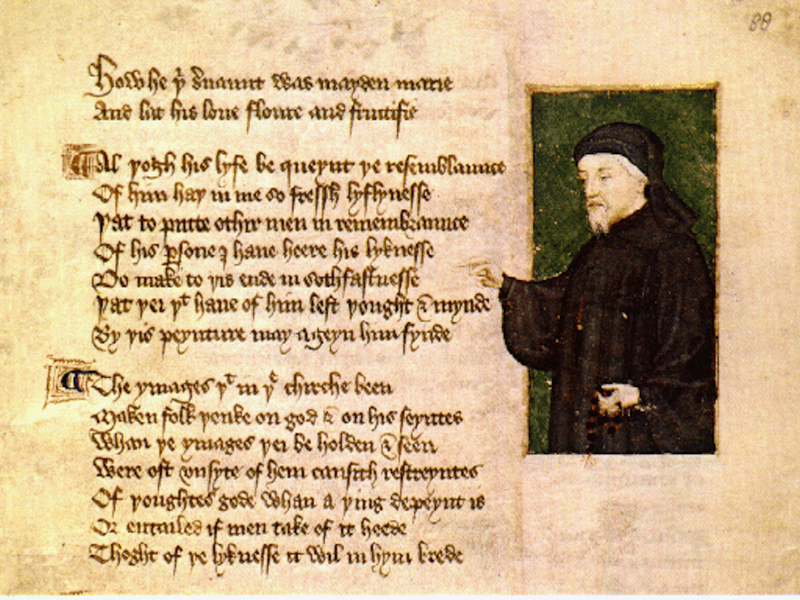
Out of all the characters in Geoffrey Chaucer’s The Canterbury Tales , the Pardoner has been called the “one lost soul.” The pious Parson, who closes out the collection of tales with a sermon on the seven deadly sins and how a sinner can absolve himself of them, connects the…

by Christian LeithartNovember 3, 2016

Showing page 122 of 309

See all
See all

Bestial Covenant

The sea beast wages war against the saints (Revelation 13:7), assisted by the land beast (13:11-15), also known as the “false prophet” (16:13; 19:20; 20:10). That the land beast is a prophet gives us a big clue to what’s happening. Prophets end and initiate covenants; prophets are the sacred architects…

February 5, 2015

Thigh of the Peace Offering

In the Levitical law, the priests received two particular portions of each peace offering: the “wave offering” of the breast and the “heave offering” (or better, “contribution”) of the right thigh. The purpose of this essay is to attempt to determine the reason why the second of these, the thigh,…

February 5, 2015

Youthening

Robert Pogue Harrison glances at his father’s college yearbook and finds that “twelve-year-old boys looked like little adults, their faces furrowed by the depths of time” ( Juvenescence , x). We’re younger now: “the first-world face of today remains callow, even as it withers away with age, never attaining the…

February 5, 2015

Neoteny

Neoteny comes from two Greek words, “new” and “hold.” As Robert Pogue Harrison defines it ( Juvenescence , 18), evolutionary biology speaks of neoteny as the “persistence of fetal, larval, or juvenile features in adult organisms.” Harrison means something more broader, “a modified type of development that brings juvenile traits…

February 5, 2015

Structure and Style in Revelation 13

John’s description of the land beast and his work in Revelation 13:11-15 is organized in a fairly neat chiasm: A. Another beast like a lamb, speaking as a dragon, 13:11 B. He has the authority of the first beast, 13:12a C. He makes land-dwellers worship the first beast, who was…

February 4, 2015

UnProtestant Protestants

Robert McAfee Brown summarizes The Spirit of Protestantism as “an openness to the judging and renewing activity of the living God made known in Jesus Christ.” It’s a willingness to “submit to the corrective activity of God,” and “to live at risk.” Protestantism claims that it’s only in “constant renewal…

February 4, 2015

Showing page 467 of 2212

Browse by Category

In Medias Res

Your weekly digest for all things Theopolis.

Donate

Theopolis is nearly 100% donor-supported. Consider joining us on our mission.