Theopolis Logo

Writing

Explore our collection of theological essays, biblical studies, and reflections on faith and culture.

See all
motoki-tonn-nau5bxei9p4-unsplash
Epistemology

The Scattering Integrative Life

Can it be that it has been two whole years since I contributed a Theopolis Post! I had been pursuing the topic of integration: “Seeking Integration in a Fragmented World.” I had defined “integration,” simply, as creative putting together. I had posed that seeking it calls for a fundamentally integrative…

by Esther Lightcap MeekAugust 10, 2021
screen-shot-2021-08-03-at-1-08-28-pm
John

Understanding the Loaves

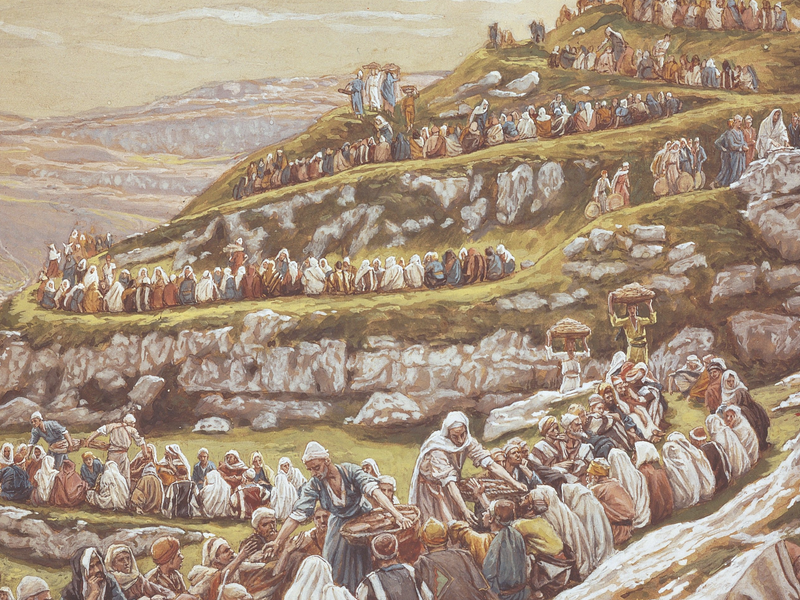
What is known as the miracle of the “Feeding of the Five Thousand” occurs in Mark’s Gospel in chapter 6. As with other gospel writers, Mark has a few different points to make as he moves through this story (included in all four gospel accounts) and its surrounding material. Three…

by Eric RobinsonAugust 3, 2021
kalen-emsley-bkci_8qcdvq-unsplash-1
Biblical Theology

The Sequence of Events in the Creation Week

To begin with the source of this narrative: Since no human being was present to observe these events, we must assume that this narrative was revealed directly by God to a human author. There are three ways this might have happened. First, we might read, "God said to Abraham (or…

by James B. JordanJuly 28, 2021
isaac_blessing_jacob
Biblical Theology

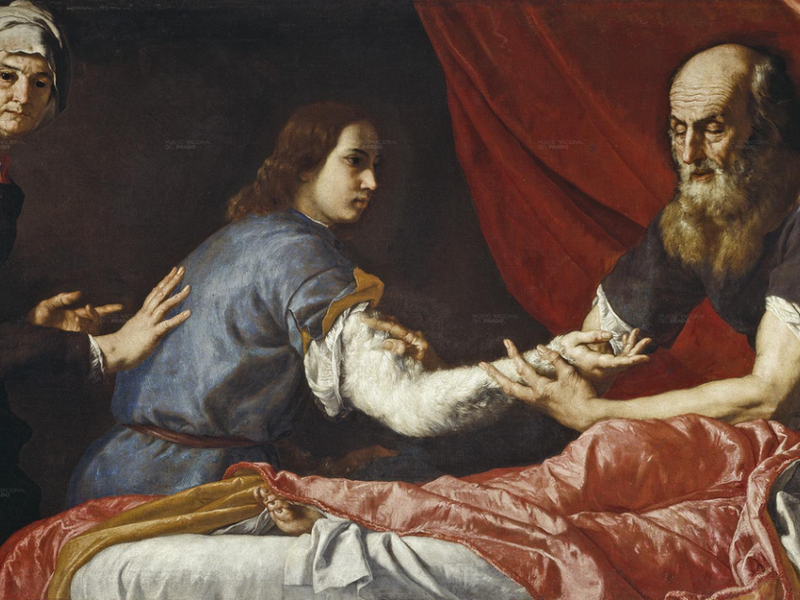
Genesis 27: In the Likeness of Sinful Man

The serious Bible student cannot help but be struck by the deviousness of Jacob in Genesis 27. If one already expected some underhanded dealings from this twin-born-second whose name means “supplanter” and whose bargaining with his brother for the birthright in Genesis 25 seemed incredibly weighted in his own favor,…

by Eric RobinsonJuly 20, 2021
stephen-radford-86qxyjwq8lu-unsplash
Manhood

Chief Hunger

From Barna stats to mainstream headlines, it seems as though the discordant nature of this last year has taken such a toll on churches in the United States that, for many, the injuries have been fatal. It has become a regular occurrence to hear about a congregation that continues to…

by Garrett SoucyJuly 13, 2021
screen-shot-2021-07-06-at-2-50-52-pm
Movies

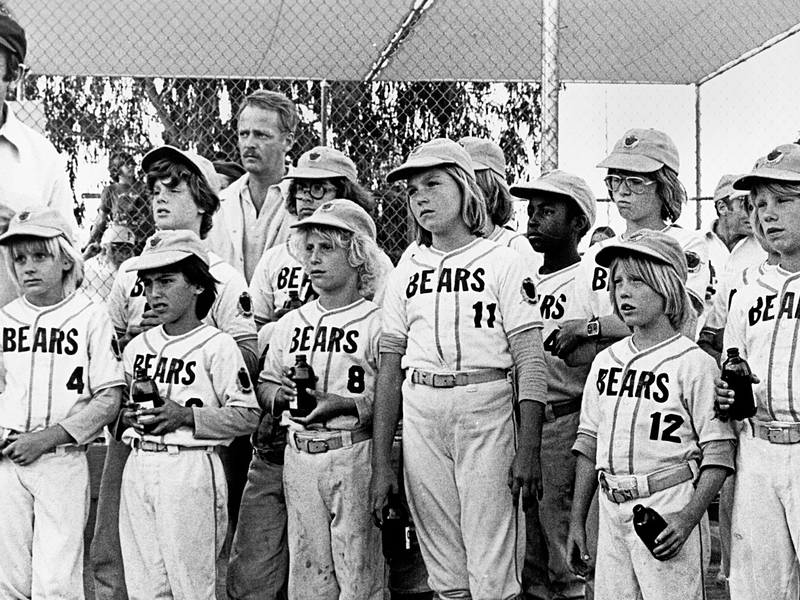
Good News in "The Bad News Bears"

In The Bad News Bears (1976), a city councilman hires a washed-up minor league baseball player with a drinking problem to coach a little league team of leftover misfits. Underdog sports movies are usually full of sentimentalism and dramatic victories, but this film is a commentary on the failing dream…

by Jacob GuckerJuly 6, 2021

Showing page 53 of 309

See all
See all
Uncategorized

Gone Fishin’

June 24, 2014

Impure Holiness

Isaiah 65 piles up charges of idolatry and impurity against Israel. They are supposed to offer continuous sacrifices, but their sacrifices are a continuous provocation (65:3). They build their altars from bricks rather than from stones, as the law requires (65:3). The sacrificial smoke doesn’t sooth Yahweh but is an…

June 23, 2014

Coding Trance

In an essay at Slate , David Auerbach tells a story about John Harris, a game-programmer: “While working on an 8-bit Atari port of Frogger in the early 1980s, Harris said, “’ glued my hands to the keyboard.’ One day he started programming midafternoon, losing himself in work. The next…

June 23, 2014

Smart Dumb

P oet Kenneth Goldsmith gives a taxonomy of smartness and dumbness. There are various permutations. He prefers dumb, but it has to be smart dumb: “There is dumb dumb and there is smart dumb. There is also smart smart. Dumb dumb is plain dumb and smart smart is plain smart.…

June 23, 2014

Kynics and Cynics

In a 1987 review of Peter Sloterdijk’s Critique of Cynical Reason , Neil Wilson observes that for Sloterdijk “cynicism is enlightenment turned sour: a sourness which results from the self-denial that self-survival in a society dominated by instrumental rationality requires” (55). It is not a new attitude, but an ancient…

June 23, 2014

Physiognamy’s revenge

Peter Sloterdijk distinguishes in his Critique of Cynical Reason (139-40) between the objectifying and distancing aims of Enlightenment thought and the inescapable “physiognomic sense” of life among fleshly humans: “Whereas the process of civilization, whose core is constituted by the sciences, teaches us to distance ourselves from people and things…

June 23, 2014

Showing page 581 of 2212

Browse by Category

In Medias Res

Your weekly digest for all things Theopolis.

Donate

Theopolis is nearly 100% donor-supported. Consider joining us on our mission.