Theopolis Logo

Writing

Explore our collection of theological essays, biblical studies, and reflections on faith and culture.

See all
evangelists
Matthew

Dating Matthew, (Part 1)

When might the Gospel according to Matthew have been written? Of course, any answer can only be speculation, but that does not mean we are reduced to groundless opinion. In this series of articles I point the way to an approach different from the general consensus among scholars today which…

by Ralph Allan SmithNovember 22, 2016

hebrew-manuscript-3
Hermeneutics

Synopticity, (Part 2)

In my first essay on “synopticity” I offered a rather rough definition of the phenomenon and important, though not exhaustive examples. In this essay, I want to introduce broader aspects of the phenomenon of “synopticity.” The first example that I have in mind is conventional stories, stories of different historical…

by Ralph Allan SmithNovember 17, 2016
screen-shot-2016-03-31-at-9-32-11-am
Ascension

Brexit and the Binding of Satan, Part 4

Since the judgment of Babel was followed by the initiation of the circumcision, the impending end of the circumcision in AD70 explains the significance of the first century miracle of foreign tongues. Except for a few Aramaic “teasers” in the book of Daniel, the Word of God was monolingual and…

by Mike BullNovember 15, 2016
four-evangelists
Hermeneutics

Synopticity, (Part 1)

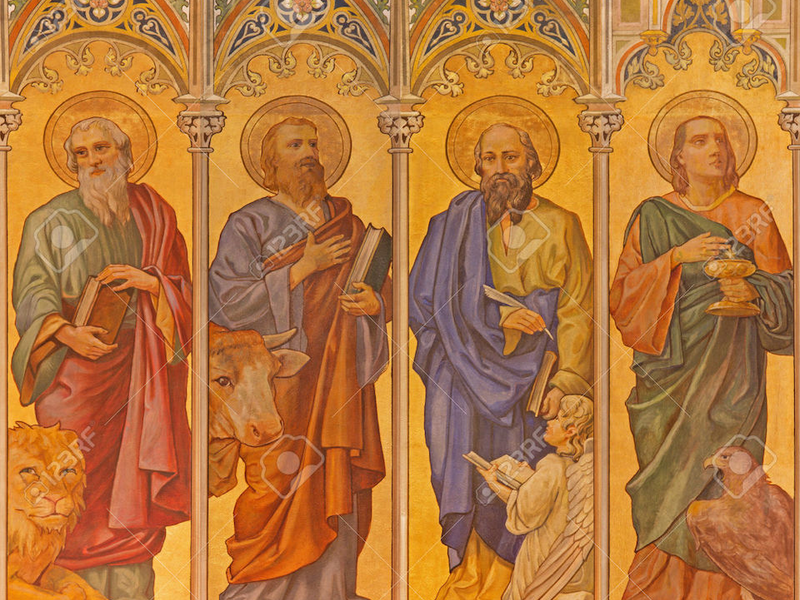
To the best of my knowledge “synopticity” is not a word used in theology or Biblical studies, but it seems an appropriate word to describe the kind of phenomena associated with the Synoptic Gospels, Matthew, Mark, and Luke. These three Gospels tell essentially the same story with significant — sometimes…

by Ralph Allan SmithNovember 10, 2016
laughing_statue_by_xxbobbiie-d5f0meh-2
Humor

Learning to Laugh

Humor is a funny thing. It is altogether familiar yet also mysterious. What makes us laugh? Why do we find things funny? There are academic fields of study dedicated to discovering what makes things humorous. These academicians even have a journal entitled International Journal of Humor Research . No joke.…

by Bill SmithNovember 8, 2016
chaucer
Literature

Flawed Means of Grace: Liturgy in The Pardoner's Tale

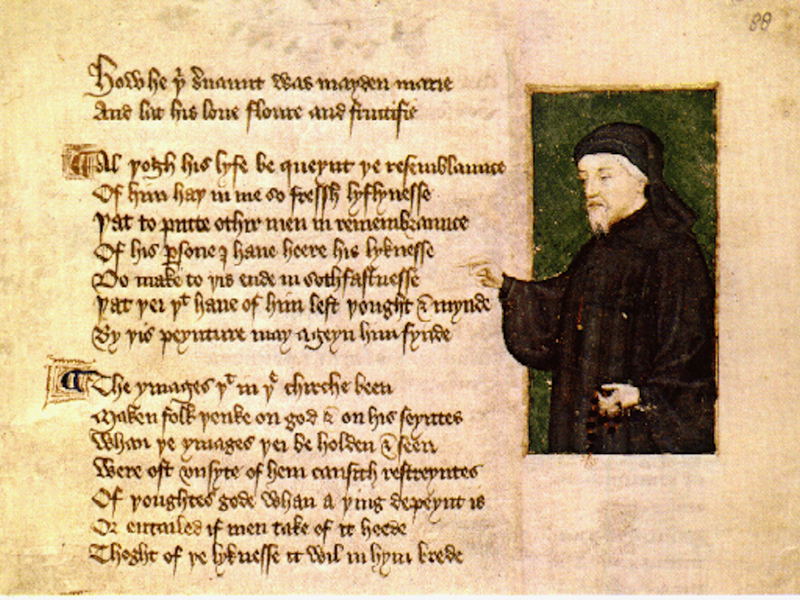
Out of all the characters in Geoffrey Chaucer’s The Canterbury Tales , the Pardoner has been called the “one lost soul.” The pious Parson, who closes out the collection of tales with a sermon on the seven deadly sins and how a sinner can absolve himself of them, connects the…

by Christian LeithartNovember 3, 2016

Showing page 122 of 309

See all
See all

Doorkeeper

From the whirlwind, Yahweh reveals His creative power to Job, challenging Job with a repeated “where were you when. . . ?” The focus is on Yahweh’s power to create, but several times He describes His power as the power to set up dates and doors. It was Yahweh who…

April 29, 2014
Art

The Made

Comparative literature is a standard discipline in our universities. Comparative arts is less familiar. Daniel Albright has written a treatise on comparative art in his recent Panaesthetics . Debates about the unity and diversity of art have been common in Western thought. Albright thinks that the question is unanswerable since…

April 28, 2014

Natural Sex Again

My friend Rich Bledsoe in response to a recent post on sexual ethics: “it has been pointed out in relation to JD Unwin’s work, that the great, revolutionary destructions of traditional sexual morality (in Russia when marriage was virtually banned as bourgeois, and every form of deviance encouraged, and later…

April 28, 2014
Economics

Unintended Capitalism

Brad Gregory ( Unintended Reformation , 268-9) observes that “like radical Protestants, the magisterial reformers, including Calvin, unambiguously condemned avarice, acquisitive individualism, and any separation of economic behavior from biblical morality or the common good.” The Reformers rejected voluntary poverty, but “their attitudes about the proper human relationship to material…

April 28, 2014

Tradition and Innovation

Wisdom from Yves Congar, as compiled by Brother Emile of Taize in his Faithful to the Future (43): “The problems of the fifth century and the resources of Augustine are not those of the third century and Hippolytus; the problems of the thirteenth century and the resources of Thomas Aquinas…

April 28, 2014

Fall from heaven

Revelation 12 opens with a tableau of a laboring cosmic mother threatened by a devouring dragon. During the course of the chapter, the dragon’s prey is snatched from his teeth (v. 5) and the dragon is driven from the sky (vv. 7-12). But as soon as the dragon gets to…

April 28, 2014

Showing page 624 of 2212

Browse by Category

In Medias Res

Your weekly digest for all things Theopolis.

Donate

Theopolis is nearly 100% donor-supported. Consider joining us on our mission.