Theopolis Logo

Writing

Explore our collection of theological essays, biblical studies, and reflections on faith and culture.

See all
evangelists
Matthew

Dating Matthew, (Part 1)

When might the Gospel according to Matthew have been written? Of course, any answer can only be speculation, but that does not mean we are reduced to groundless opinion. In this series of articles I point the way to an approach different from the general consensus among scholars today which…

by Ralph Allan SmithNovember 22, 2016
hebrew-manuscript-3
Hermeneutics

Synopticity, (Part 2)

In my first essay on “synopticity” I offered a rather rough definition of the phenomenon and important, though not exhaustive examples. In this essay, I want to introduce broader aspects of the phenomenon of “synopticity.” The first example that I have in mind is conventional stories, stories of different historical…

by Ralph Allan SmithNovember 17, 2016
screen-shot-2016-03-31-at-9-32-11-am
Ascension

Brexit and the Binding of Satan, Part 4

Since the judgment of Babel was followed by the initiation of the circumcision, the impending end of the circumcision in AD70 explains the significance of the first century miracle of foreign tongues. Except for a few Aramaic “teasers” in the book of Daniel, the Word of God was monolingual and…

by Mike BullNovember 15, 2016
four-evangelists
Hermeneutics

Synopticity, (Part 1)

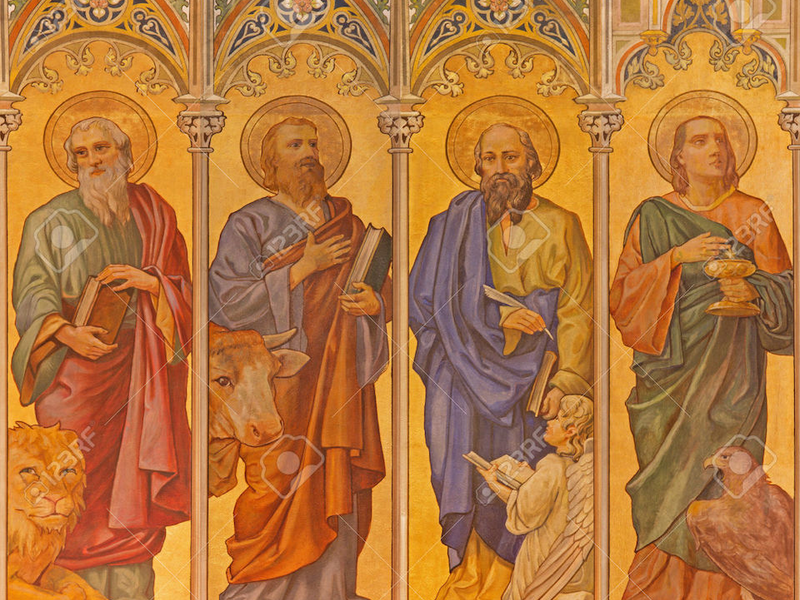
To the best of my knowledge “synopticity” is not a word used in theology or Biblical studies, but it seems an appropriate word to describe the kind of phenomena associated with the Synoptic Gospels, Matthew, Mark, and Luke. These three Gospels tell essentially the same story with significant — sometimes…

by Ralph Allan SmithNovember 10, 2016
laughing_statue_by_xxbobbiie-d5f0meh-2
Humor

Learning to Laugh

Humor is a funny thing. It is altogether familiar yet also mysterious. What makes us laugh? Why do we find things funny? There are academic fields of study dedicated to discovering what makes things humorous. These academicians even have a journal entitled International Journal of Humor Research . No joke.…

by Bill SmithNovember 8, 2016
chaucer
Literature

Flawed Means of Grace: Liturgy in The Pardoner's Tale

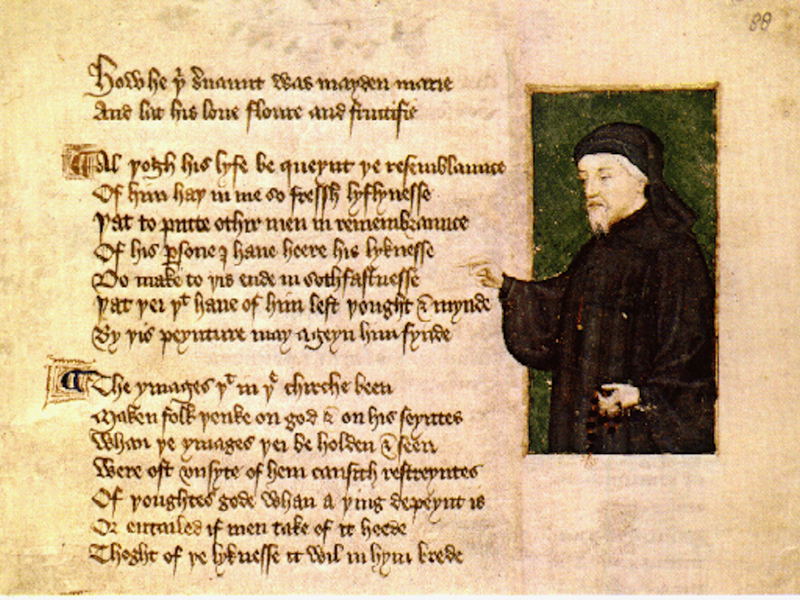
Out of all the characters in Geoffrey Chaucer’s The Canterbury Tales , the Pardoner has been called the “one lost soul.” The pious Parson, who closes out the collection of tales with a sermon on the seven deadly sins and how a sinner can absolve himself of them, connects the…

by Christian LeithartNovember 3, 2016

Showing page 122 of 309

See all
See all

Ideal Languages

Wittgenstein, Jamie Smith argues, “relativizes the claims of logic without simply rejecting them.” He rejects not logic but “logical foundationalism” that takes logic as an “ideal language” that functions as “the norm for all languages” ( Who’s Afraid of Relativism? 58). It’s possible to see logic as such an ideal…

April 5, 2014

Rorty and Reference

Jamie Smith ( Who’s Afraid of Relativism? ) defends Richard Rorty against the charge that he leaves behind an antirealism that implies we cannot refer to the world, perhaps an antirealism that denies the existence of extra-linguistic things. In Smith’s summary, “realist critics confuse having a theory of reference and…

April 5, 2014

Fireless Sacrifice

Drawing from Pindar’s seventh Olympian Ode, Barbara Kowalzig ( Singing for the Gods , 230-1) argues that the poem provides an etiology for the fireless sacrifice established for Athena at Rhodes. Why a sacrifice without fire, given that “as is nowhere clearer than in Aristophanes’ Birds, on the whole it…

April 5, 2014

War on Amalekites

Israel gets its first taste of war after the exodus when the Amalekites attack the women, children, and stragglers (Exodus 17; Deuteronomy 25:17-19). Yahweh vows to make war against those who make war on the weak, until He blots out “the memory of Amalek from under heaven” (Deuteronomy 25:19). He…

April 4, 2014

Spirits, Stars, Garments

The letter to the angel of Sardis (Revelation 3:1-6) is smoothly cohesive in theme. Jesus begins with a rebuke to the angel at Sardis, charging that despite his reputation for life he is in fact dead. Death and sleep are merged in verse 2, where Jesus calls the dead to…

April 4, 2014

Open Door

Jesus has the key of David to open and shut (Revelation 3:8). He puts an “open door” before the angel of Philadelphia. Which way is the angel to go: In or out? The passage is typically understood with reference to mission. The angel is pictured on the inside of some…

April 4, 2014

Showing page 642 of 2212

Browse by Category

In Medias Res

Your weekly digest for all things Theopolis.

Donate

Theopolis is nearly 100% donor-supported. Consider joining us on our mission.