Theopolis Logo

Writing

Explore our collection of theological essays, biblical studies, and reflections on faith and culture.

See all
49980-nicolas_poussin_-_the_judgment_of_solomon_-_wga18330-800w-tn
Biblical Studies

Advice From a Sojourner, Part 2

In our first essay in this series ( part 1 ), we saw that Proverbs 30 opens with a puzzle, a cryptic sentence that challenges the reader to search out a matter in order to gain understanding. "It is the glory of God to conceal a matter, but the glory…

by James B. JordanOctober 26, 1989
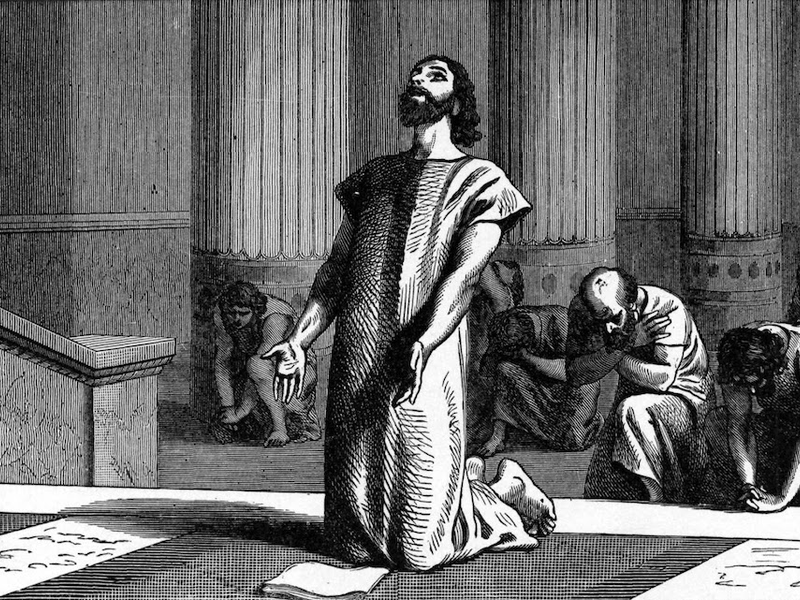
hezekiahs-prayer-2
Isaiah

Hezekiah’s Sign

The story of Hezekiah’s illness and recovery is familiar to every child who has attended Sunday School. Informed that he would die, faithful King Hezekiah pleaded in tears for a longer life. God heard his prayers and saw his tears, and promised fifteen more years. As a sign that He…

by Peter LeithartOctober 13, 1989
screen-shot-2021-08-12-at-2-57-54-pm
Proverbs

An Antidote for Yuppie Postmillennialism

1. The Blessed Hope "Looking for the blessed hope and the appearing of the glory of our great God and Savior, Christ Jesus." Titus 2:13 I was recently asked how I as a postmillennialist would preach on "The Blessed Hope." This is often a sticky question, because postmillennialists believe that…

by James B. JordanAugust 26, 1989
screen-shot-2022-01-10-at-5-52-39-pm
American Culture

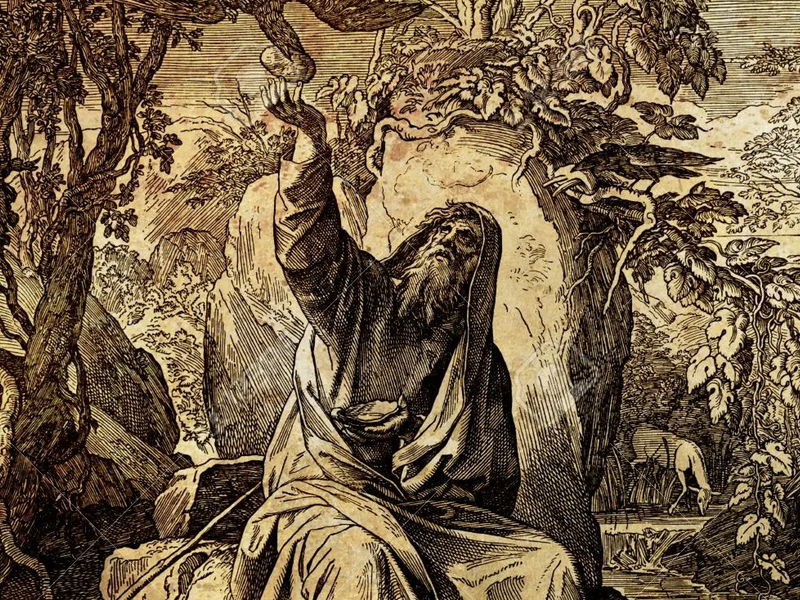
Elijah’s War with Baal

1. Jeroboam and Ahab After Solomon died, the people came to his son, King Rehoboam, and asked for tax relief. Rehoboam refused to give it, and indeed told the people that he was going to tax them even more severely than his father had. At that point, with the blessing…

by James B. JordanJuly 26, 1989
screen-shot-2020-08-31-at-10-35-03-am
Biblical Horizons

The Love Feast

One aspect of truth is unity. It was Truth Incarnate who prayed for the unity of His people in John 17, which certainly makes unity a priority for them as well. In one sense, we know by faith that the Church is always invisibly unified in Christ, but there is…

by James B. JordanJune 16, 1989
screen-shot-2022-01-07-at-6-38-22-pm
Biblical Studies

The Son of Joseph, Revisited

Mr. Paul Miller of Vancouver writes that he is not persuaded by my remarks on Luke 4 on " The Son of Joseph ." He calls attention to Mark 6:1-6, where Jesus came "to His own part of the country," taught in the synagogue, and astonished many. The people said,…

by James B. JordanMay 16, 1989
See all
See all

Circular Evolution

In his Natural History of Religion, David Hume proposes an evolutionary progress from natural polytheism to more developed monotheism. This, he thinks, is the natural and virtually inevitable progress: “As far as writing or history reaches, mankind, in ancient times, appears universally to have been polytheists” and idolaters. It makes…

March 11, 2014

Persistent Protest

Protestant problematics about sacraments still run in the background of early modern debates about religion. In response to evidence of similarities between Jewish and “savage” Indian religion, some early modern thinkers argued that the ritual similarities were marginal to Judaism. Some thought of Jewish ceremonies as a kind of prophylactic…

March 11, 2014

Jubilee: Real or Ideal?

Many scholars have concluded that the Jubilee legislation of Leviticus 25 is an idealized portrait of an institution that Israel never practiced. In a 2003 essay in Vetus Testamentum , Lee Casperson takes issue with this viewpoint: “There are extensive parallels in the ancient Near East, long predating the entry…

March 11, 2014

Reenacted Exodus

Leigh Trevaskis tries to suss out the rationale for sticking Leviticus 24 (menorah, showbread, blasphemy) between Leviticus 23 (Israel’s festival calendar) and Leviticus 25 (Jubilee). He proposes a symbolic solution to the puzzle. He observes that chapter 24 begins with a reverence to “light” (v. 2), alluding back to the…

March 11, 2014

Epistemological Dualism

Esther Lightcap Meek presents the most devastating little critiques of epistemological dualism I’ve ever read near the beginning of A Little Manual for Knowing . Epistemological dualism describes the way we “distinguish knowledge from beliefs, facts from values, reason from faith, theory from application, thought from emotion, mind from body,…

March 11, 2014

Righteous aggressors

Halbertal ( On Sacrifice , 72-3) offers this fine analysis of the self-justificating moves of aggressors: “The mind can play complicated games, and among them is the accusation that an aggressor directs toward his victim for causing him to become violent, which all too easily turns into a justification for…

March 10, 2014

Showing page 663 of 2212

Browse by Category

In Medias Res

Your weekly digest for all things Theopolis.

Donate

Theopolis is nearly 100% donor-supported. Consider joining us on our mission.