Theopolis Logo

Writing

Explore our collection of theological essays, biblical studies, and reflections on faith and culture.

See all
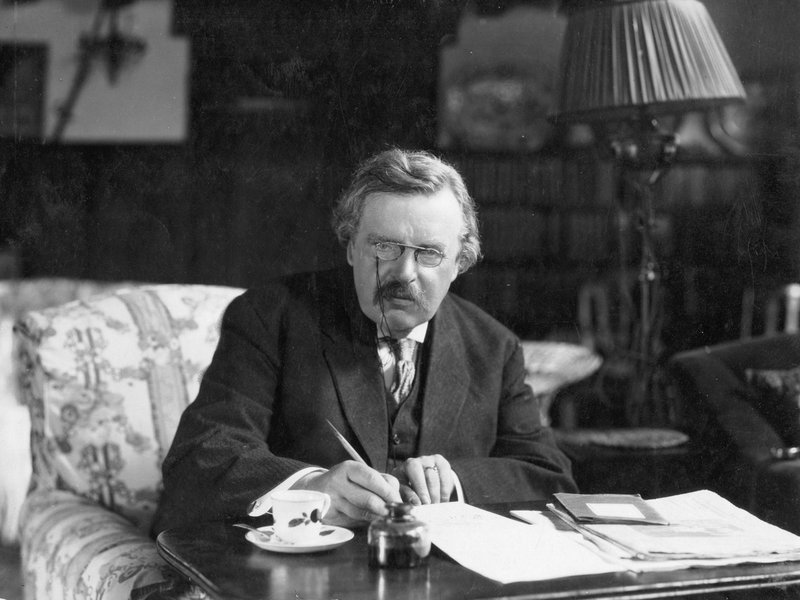
g-_k-_chesterton_at_work
Books

Interpreting "The Man Who Was Thursday"

I just finished re-reading G. K. Chesterton’s The Man Who Was Thursday . I have in the past had the temerity to say that I believe it to be the best novel of the 20th century. Be that as it may, I still maintain that it is at least one…

by Richard BledsoeJanuary 7, 2022
10779-istockgetty-images-plusredletterw
Hebrews

The Universality of Mary’s Wound

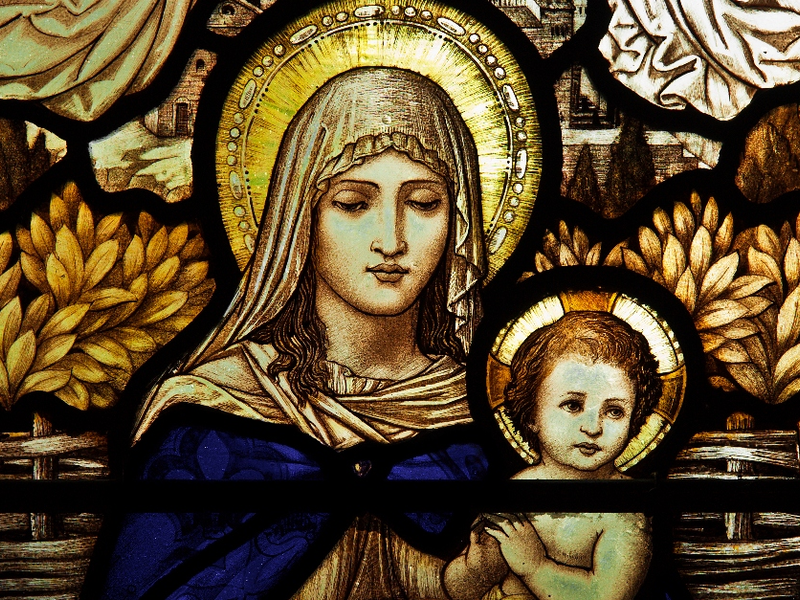
And Simeon blessed them and said to Mary his mother, “Behold, this child is set for the fall and rising of many in Israel, and for a sign that is spoken against and a sword will pierce through your own soul also, that thoughts out of many hearts may be…

by Garrett SoucyJanuary 4, 2022
heartierhymnals-stockimage
Music

An Argument for Heartier Hymnals

I was inspired to write this article after reading John Ahern’s The Case for Shorter Hymnals first published on Theopolis Institute’s website on November 16, 2021. Mr. Ahern and I are writing with different audiences and emphases in mind. I am thankful we both share a mutual desire to see…

by Jarrod RicheyDecember 30, 2021
tim-marshall-k2u71wv2ei4-unsplash-1
Biblical Studies

Image of God

If you’ve spent any time in the social-media galaxy of Christian cultural commentators, you have almost definitely run across the Latin phrase Imago Dei . It means image of God . Why they usually say it in Latin, I couldn’t tell you. We saw it in the wake of the…

by Daniel HoffmanDecember 28, 2021
annunciation
Advent

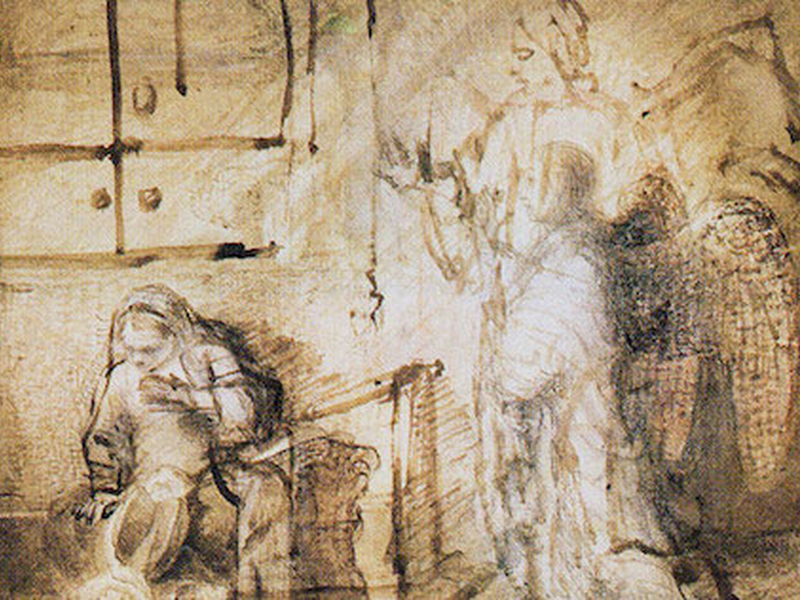
He Comes to Make His Blessings Known: "Son of David" and "Son of Abraham" in Matthew 1:1

The Gospel of Matthew—indeed, the New Testament—begins with a list of names, and that list of names is introduced by this heading: “The book of the generations of Jesus Christ, the son of David, the son of Abraham.” Why start like this? Why “the son of David” and “the son…

by Josh JensenDecember 23, 2021
49980-nicolas_poussin_-_the_judgment_of_solomon_-_wga18330-800w-tn
Biblical Studies

On Not Needing to Cut the Baby in Half

A blade is raised. A child wails. But the brow under the crown is untroubled. Solomon knows that the raising of the sword will reveal the true parent and the identity of the son. But how did he know this? Abraham’s willingness to sacrifice Isaac certainly bears some of the…

by Jonathan WhiteDecember 21, 2021

Showing page 48 of 309

See all
See all

Technical bias

Douglas Rushkoff ( Program or Be Programmed ) argues that we don’t think enough about how our new technologies run, or how they are biased. Most of us know how to use software; few know how to make it, and we don’t think about how those who do make it…

February 22, 2014

Squeeze Play

The Balaamites of Pergamum and Jezebel in Thyatira have the same teaching. Both entice the saints to fornication, which much be a spiritual form of adultery, and to each things sacrificed to idols. These twin sins link back to the apostolic decree after the Council of Jerusalem, which forbade Gentile…

February 22, 2014

Ten Days

The church at Smyrna will suffer “ten days” (Revelation 2:10). That suggests a brief tribulation, but why ten days? There are various speculations, but James Jordan’s suggestion seems the most fruitful: The ten day tribulation refers to the period between the feast of trumpets (Day 1 of Month 7) and…

February 22, 2014

One Man’s Intervention

Policy debates today are often framed as debates over state intervention, pro or con. It’s assumed that we know what a state intervention is. Ha-Joon Chang questions this assumption in a contribution to Institutions and the Role of the State . Whether child labor laws, environmental standards, or immigration laws…

February 22, 2014

New Institutional Economics

What’s new about New Institutional Economics (NIE)? In their editorial introduction to Handbook of New Institutional Economics , Claude Menard and Mary Shirley explain that NIE abandons certain assumptions of neoclassical economics, specifically the assumptions that actors possess “perfect information and unbounded rationality and that transactions are costless and instantaneous.”…

February 22, 2014

Athenian freedom

In an essay on sacred law in ancient Athens ( The Cambridge Companion to Ancient Greek Law , 67), Robert Parker assesses the scope and limits of freedom of speech and religion. He notes, “If one asks how tolerant of unorthodox teachings (and cults) Athenian society was in practice, the…

February 21, 2014

Showing page 675 of 2212

Browse by Category

In Medias Res

Your weekly digest for all things Theopolis.

Donate

Theopolis is nearly 100% donor-supported. Consider joining us on our mission.