Theopolis Logo

Writing

Explore our collection of theological essays, biblical studies, and reflections on faith and culture.

See all
screen-shot-2018-10-25-at-1-08-06-pm
John

What did Jonah Know?

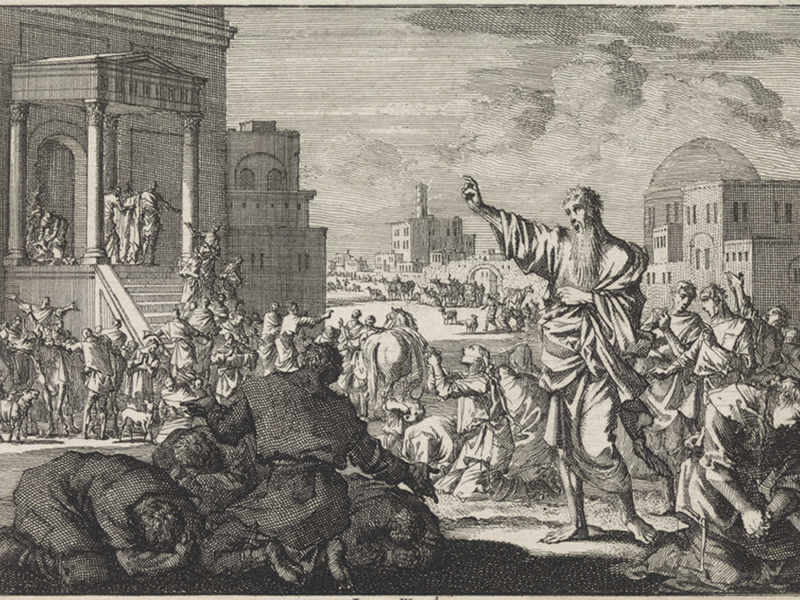
When a certain Samaritan village refused Jesus’ attempt to visit, James and John asked Jesus if they should call down fire from heaven upon it. The allusion to the story of Sodom and Gomorrah is evident, but, as the story shows, James’ and John’s thinking was entirely warped. Jesus rebuked…

by Ralph Allan SmithOctober 25, 2018
1zey30peztqultcxbanj1-q
Aristotle

The Relevance of Aristotle and the Role of Christ (Part 2)

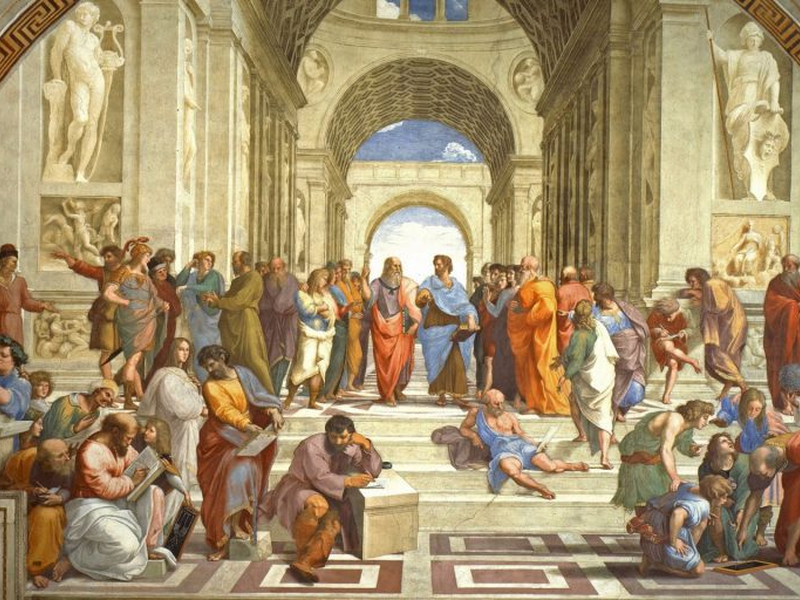
In the first part of this essay, I considered paideia (formation)and mimesis (imitation) in the context of Aristotle’s virtue ethics and that of the New Testament. The overall concern is to realize how relevant is Aristotle’s ethics both to diagnosing our current malaise and to enculturing our children, though we…

by Bret SaundersOctober 23, 2018
screen-shot-2018-02-08-at-9-58-52-am
Epistemology

Seeking Integration in a Fragmented World: D.C. Schindler: The Integrative Ministrations of Delight

In these posts I am inviting you into my philosophical reflection about integration , the absence of which we feel palpably in our fragmented world. My hope is for us to understand it more deeply, and to be ourselves reintegrated in the process. At this point in this extended inquiry…

by Esther Lightcap MeekOctober 18, 2018
1zey30peztqultcxbanj1-q
Aristotle

The Relevance of Aristotle and the Role of Christ (Part 1)

It’s hard to imagine someone, centuries from now, mistaking our culture for a moral highpoint in the history of the West. Increasingly the news is dominated by school shootings, abusive policing, sexploitation of women, and increasing rates of suicide, addiction, and divorce. In response, the Left calls for regulations, surveillance,…

by Bret SaundersOctober 16, 2018
img_4660-2
Prayer

God’s Promise to Hear Us

“The righteous cry out, and the Lord hears, and delivers them out of all their troubles. The Lord is near to those who have a broken heart, and saves such as have a contrite spirit.” (Ps. 34:17-18) God is listening. He is listening when we ask Him for financial provision,…

by Lindsey TollefsonOctober 11, 2018
baptism-of-christ
Baptism

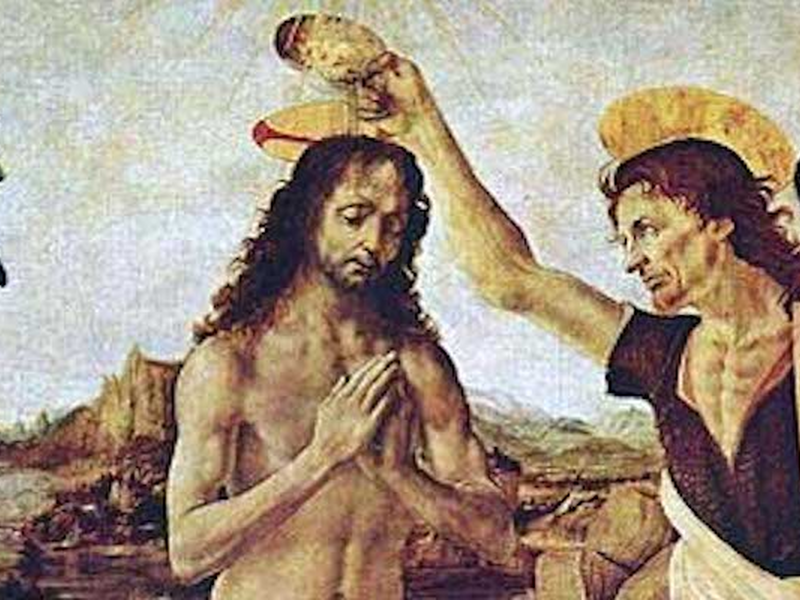
Transfiguration and Jesus’ Baptism

The allusions to Mt. Sinai in the transfiguration story point to Jesus as a new Moses and even more as Yahweh, the God who met Moses and Elijah on the mountain. The fact that Jesus, Moses, and Elijah spoke of Jesus’ “exodus” suggests that the mountain of transfiguration was intended…

by Ralph Allan SmithOctober 9, 2018

Showing page 86 of 309

See all
See all

Camels

When the nations bring their treasures to Zion (Isaiah 60:6), they come with camels. It’s an unusual site. The patriarchs have camels (the word is used 18x in Genesis 24 alone, 25x in Genesis). After that, camels are typically the mounts for Gentile visitors or invaders. Midianites riding camels swarm…

January 8, 2014

Dreadful joy

When Zion sees her sons and daughters returning home in the arms of the nations, she is stunned (Isaiah 60:5). Her heart trembles ( pachad ; cf. Deuteronomy 28:66-67) and grows large ( rachab ; cf. Isaiah 54:2). In short, she has a heart attack, and a flushed face to…

January 8, 2014
Uncategorized

Transformed Enlightenment

Romanticism is often seen as a reaction against the Enlightenment. Louis Dupre thinks that’s too simplistic ( The Quest of the Absolute: Birth and Decline of European Romanticism , 4-5). Rather, Romanticism transforms the values of the Enlightenment by turning them into a sublime. Dupre writes, “Romanticism incorporates what the…

January 8, 2014

Forgetful

Augustine puzzled over the mysteries of memory and forgetfulness. Where are memories “stored”? Where do they go when we forget something? You forget where you left your phone, or forget what you were going to say, and then it comes back to you. Where was it in the meantime? Forgetfulness…

January 8, 2014
Philosophy

Kierkegaard the Catholic?

In his introduction to Kierkegaard’s Kierkegaard’s Attack Upon “Christendom” 1854-1855 , Walter Lowrie suggests that Kierkegaard was “moreevidently andmore fundamentally a Catholicor perhaps it would be better to say,more consciously in revolt against Protestantism.” His evidence: “This-appears plainlyin the Instant by his insistence upon works , and by the fact…

January 7, 2014

Final Cause

Modernity is marked by the reduction of causes to efficient causes, and the elimination of final causation, of teleology or purpose.Final causes are not so easily eliminated, Hart argues ( The Experience of God: Being, Consciousness, Bliss , 78-9). Our experience is not “an immediate perception of phenomena - appearances,…

January 7, 2014

Showing page 713 of 2212

Browse by Category

In Medias Res

Your weekly digest for all things Theopolis.

Donate

Theopolis is nearly 100% donor-supported. Consider joining us on our mission.