Theopolis Logo

Writing

Explore our collection of theological essays, biblical studies, and reflections on faith and culture.

See all
shipwreck
Movies

Separation and the Sea: All Is Lost and Cast Away

“13th of July, 4:50 pm. I'm sorry. I know that means little at this point, but I am. I tried, I think you would all agree that I tried. To be true, to be strong, to be kind, to love, to be right. But I wasn't. And I know you…

by Remy WilkinsSeptember 22, 2016
priscilla
Ecclesiology

Priestesses?

CS Lewis's 1948 essay on “Priestesses in the Church” strikes a reader today as simultaneously quaintly naive and trenchantly prescient. The naive part comes near the beginning, where Lewis describes the decision to take “a revolutionary step.” It would “cut ourselves off from the Christian past and to widen the…

by Peter LeithartSeptember 20, 2016
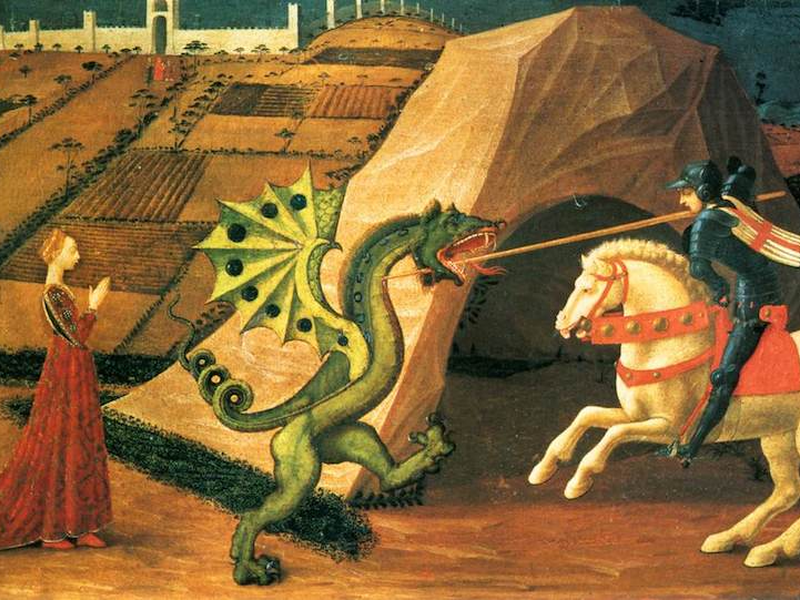
st-george-dragon
Literature

Serpents First

Imagine a version of the Lord of the Rings beginning with Sauron riding into the Shire and lopping off heads in a mad search for the ring, driving Frodo to flight from the beginning, helter-skelter and harried. While, no doubt, some Hollywood exec is at this moment scrambling to reboot…

by Remy WilkinsSeptember 15, 2016
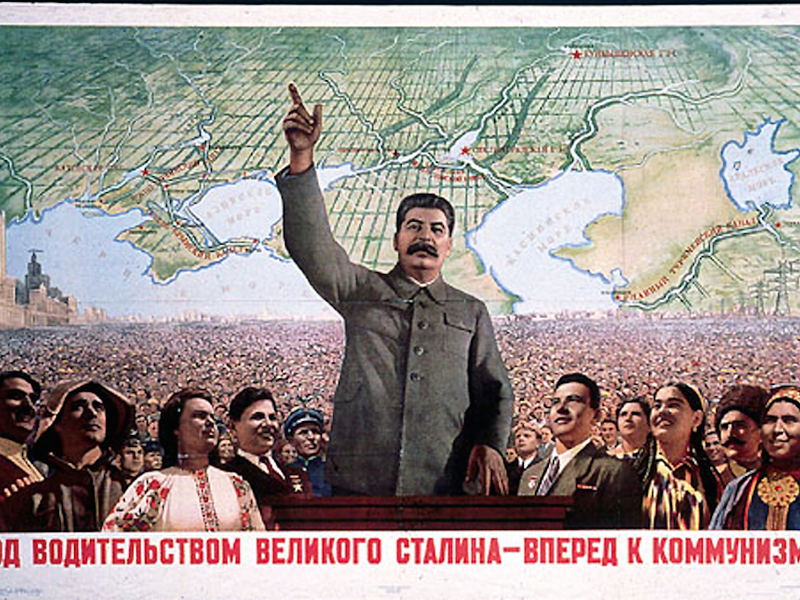
stalin-propaganda-poster
Communism

Socialism Without Society

A Communist Confession of Faith states that the aim of the Communists is “to organize society in such a way that every member of it can develop and use all his capabilities and powers in complete freedom and without thereby infringing the basic conditions of this society.” This aim can…

by Bogumil JarmulakSeptember 13, 2016
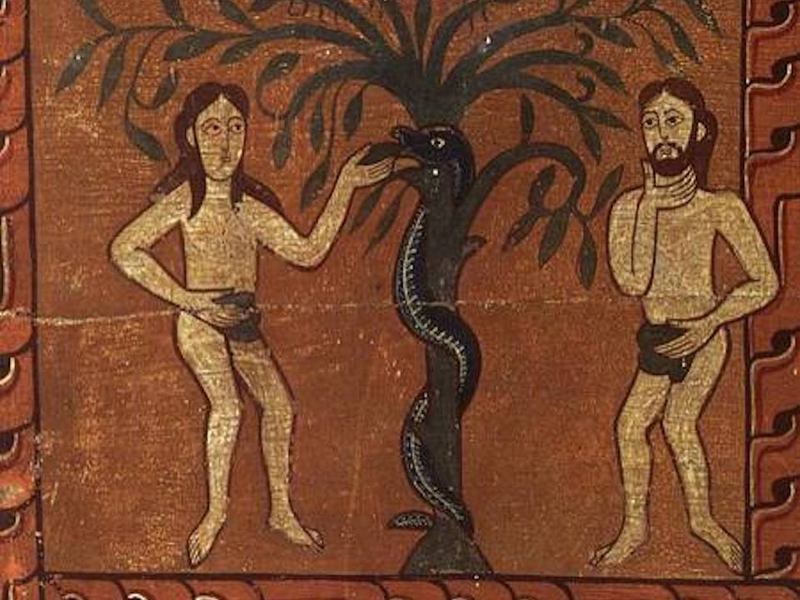
ind54453
Biblical Theology

The Falls of Man

The story of the Fall enjoys a peculiar place in Christian thought. Together with the creation account in the two chapters that precede it, it is one of the few Old Testament narratives consistently to escape the relative neglect the Hebrew Scriptures often suffer. While the characters of Abraham, Moses,…

by Alastair RobertsSeptember 8, 2016
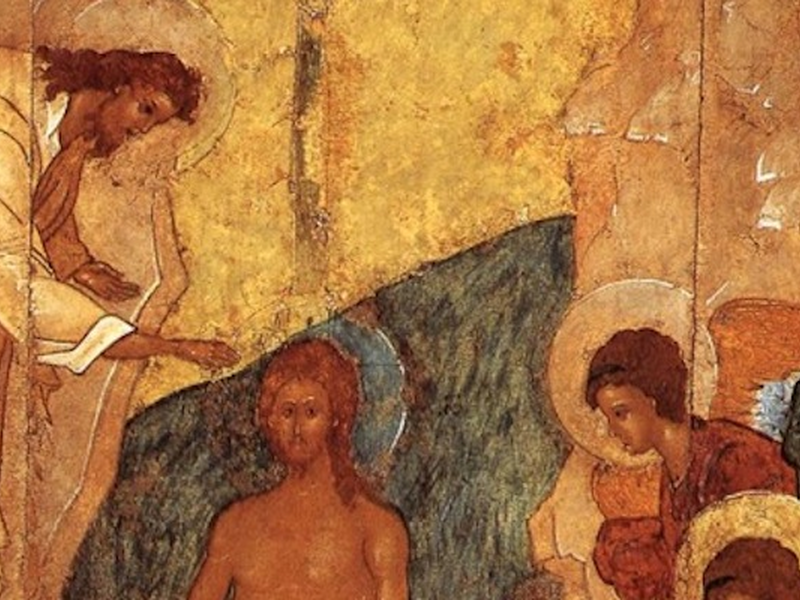
jesus-baptism
Baptism

Water, Spirit, and Fire, (Part 3)

In the previous essay, we saw that fire is a work of the Holy Spirit. The two are related so closely that they cannot be separated. Now we turn our attention to the Spirit's relationship to water. Many have understood Spirit baptism to be a dry baptism, one that is…

by Adam McIntoshSeptember 6, 2016

Showing page 125 of 309

See all
See all

At the breast

The Torah never mentions breasts as an object of erotic fascination; they are solely nourishment for infants. In the wisdom literature, things are different. Solomon encourages young men to delight in the breasts of their wives - not of another, a strange woman (Proverbs 5) -, and in the Song…

February 14, 2013

Uncontained beauty

Solomon describes the beauty of his beloved in a neat and symmetrical poem in Song of Songs 7:1-6. Framed by “how beautiful you are” (vv. 1, 6), the poem describes ten features of her body. He starts with her feet and his gaze makes its way up. The ten features…

February 14, 2013
Literature

Books and Covers

The old adage applies in spades to the covers of Pride and Prejudice sampled in the NYTBR . Don’t judge the book by any of these covers, especially the Lady Godiva, the Twilight knock-off, and the “smokin’ bad boy Darcy” ones.

February 14, 2013

Concealed technology

Technology promises to accomplish the same things that have always been done more efficiently. Borgmann is skeptical ( Technology and the Character of Contemporary Life: A Philosophical Inquiry ) (45-46), and he summarizes George Sturt’s The Wheelwright’s Shop (Craftsman) to explain the notion of the “concealment” of technology, the fact…

February 14, 2013

Devices and Machinery

In his Technology and the Character of Contemporary Life: A Philosophical Inquiry , Albert Borgmann makes a crucial distinction between a technical device and its machinery. This is “a specific instance of the means-ends distinction” (43), the machinery being the means by which the device becomes useful to its user.…

February 14, 2013
Uncategorized

Literary Names

Claude Rawson’s review of Alastair Fowler’s Literary Names: Personal Names in English Literature focuses on names used to mock and deride. Swift, for instance, “attached enormous importance to naming and not being named (a characteristic Fowler incidentally identifies with Milton’s fallen angels). Swift scrupulously marked with an ‘X; every reference…

February 14, 2013

Showing page 795 of 2212

Browse by Category

In Medias Res

Your weekly digest for all things Theopolis.

Donate

Theopolis is nearly 100% donor-supported. Consider joining us on our mission.