Theopolis Logo

Writing

Explore our collection of theological essays, biblical studies, and reflections on faith and culture.

See all
paul-2
Romans

Notes on Scary Stuff in Romans 9

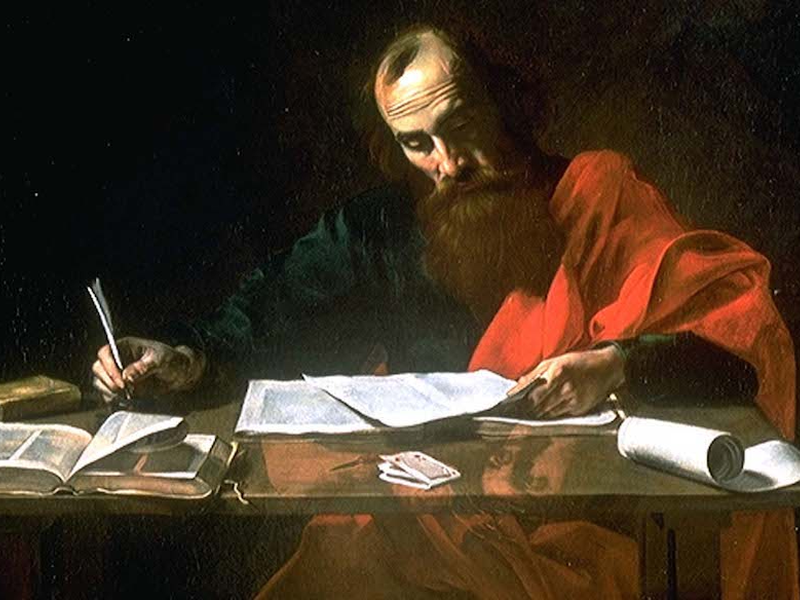
What shall we say then? Is there injustice on God’s part? By no means! For he says to Moses, “I will have mercy on whom I have mercy, and I will have compassion on whom I have compassion.” So then it depends not on human will or exertion, but on…

by Mark HorneFebruary 5, 2015

lunch-counter
American Politics

Covenants of Exclusion

A hundred years ago, William Warley signed a contract to buy a house in Louisville, Kentucky from Charles Buchanan, a white man. Before closing the sale, Warley, who was black, learned that the lot was subject to a city ordinance barring blacks from occupying the premises if most of the…

by Brendan O'DonnellFebruary 3, 2015
shakespeare-2
Literature

The Bard and the Book

I concluded the first essay on this topic by saying that I would introduce three books about Shakespeare and the Bible, but I decided to introduce four instead. The three books become four are: Naseeb Shaheen, Biblical References in Shakespeare’s Plays (London: Associated University Presses, 1999) ; Hannibal Hamlin, The…

by Ralph Allan SmithJanuary 29, 2015
augustine-2
Augustine

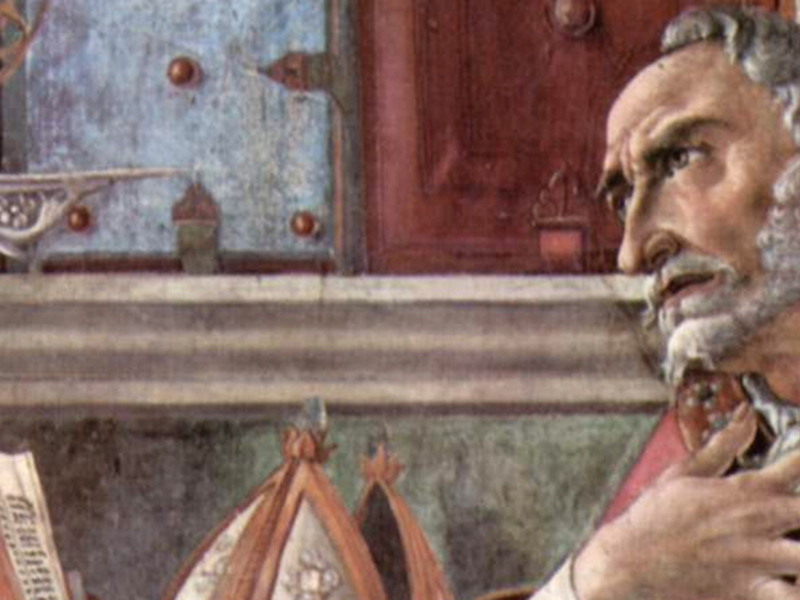
Augustine on Pagan Virtue

My children attend a classical Christian school, situated in the independent “free church” evangelical tradition. Over the past few years they have been growing in their acquaintance with the world of Homer, Plato, Virgil, and Livy. They enjoy it, and I envy it. The school is a great school. My…

by Gerald HiestandJanuary 27, 2015
prodigal-son
Atonement

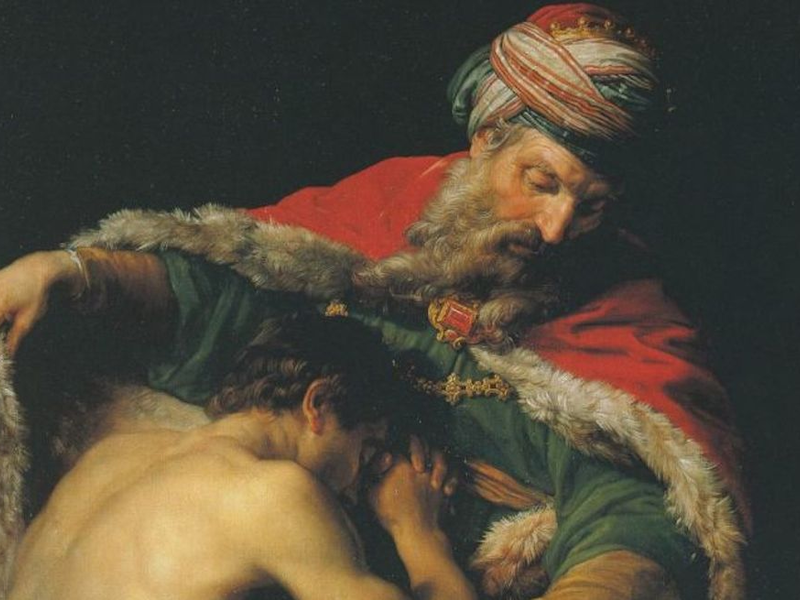
The Prodigal and the Cross

The Prodigal Son parable (Luke 15) has been a favorite of liberal theologians for a couple of centuries. It seems to be a parable designed for liberal sensibilities: An indulgent, accepting Father; forgiveness extended without a cross; a surly older brother who might represent the "conservative" face of religion who…

by Peter LeithartJanuary 22, 2015
sky-from-bridge
Ascension

Underground Man, Ascended Man

“I want now to tell you, gentlemen, whether you care to hear it or not, why I could not even become an insect. I tell you solemnly, that I have many times tried to become an insect. But I was not equal even to that. I swear, gentlemen, that to…

by Richard BledsoeJanuary 20, 2015

Showing page 161 of 309

See all
See all

Hand to Hand to Mouth

A “mighty angel” descends from heaven holding an open book (Revelation 10:1). I agree with Richard Bauckham’s argument ( Climax of Prophecy: Studies on the Book of Revelation ) that this is the same as the book opened by the Lamb. When the book first appears, it is on the…

October 19, 2012

Trinity Institute: R. R. Reno says

Peter Leithart and James Jordan are among America’s most penetrating Christian preachers and teachers, at once rigorously biblical and richly catholic. Their ambitious vision of the Lordship of Christ gives a vital role to the liturgical worship, helping us to see that the church is the New Israel, a nation…

October 18, 2012

Yahweh’s image

Ancient temples were houses for the gods, represented by images. That is what Isaiah is talking about when he describes idolaters carrying their gold images, setting them in place, standing them up, and bowing to them (46:5-7). Yahweh too brings something to His House. Isaiah 46:13 pictures Yahweh as a…

October 18, 2012

Speech Formed

In Isaiah 46:11, Yahweh announces that He is bringing a bird of prey from the east to do all his counsel and pleasure. It is a “man,” a reference back to Cyrus, the Shepherd who does all Yahweh’s pleasure (44:28). This is proof of the kind of God Yahweh is,…

October 18, 2012
Theology

God who delivers

Isaiah describes the Babylonian planet gods Bel (Jupiter) and Nebo (Nabu, Mercury) at the beginning of chapter 46. They are weary, bowed and stooped in defeat and fatigue. Their images are being carried on carts because they are incapable of bearing them themselves. The could not deliver ( malat )…

October 18, 2012
Literature

Dante without Beatrice

In her TNR review of Andrew Frisardi’s translation of Dante’s Vita Nova , Helen Vendler observes that Dante’s autobiographical cycle of prose and poems was not published until 1576, “almost three hundred years after its composition.” How was the Comedy understood in its absence? Beatrice appears in the Comedy of…

October 18, 2012

Showing page 858 of 2212

Browse by Category

In Medias Res

Your weekly digest for all things Theopolis.

Donate

Theopolis is nearly 100% donor-supported. Consider joining us on our mission.