Theopolis Logo

Writing

Explore our collection of theological essays, biblical studies, and reflections on faith and culture.

See all
tim-marshall-k2u71wv2ei4-unsplash
Modernity

Protestantism and the Postmodern self

Postmodernism has, we are told, “decentered” the modern self, that unified, sovereign, isolated, godlike “thinking thing” discovered by Rene Descartes. The postmodern self is not single but multiple; not sovereign but controlled by external forces; not isolated but “embedded” in the world and in relation; not godlike, but human, all…

by Peter LeithartMay 6, 2013

kiwihug-l4gw27xzn1i-unsplash
Matthew

Law and History: How to Read the Law of Moses (Part 8)

This is the eighth in a series of studies on Deuteronomy 22:30-23:8. And Jesus went out thence, and withdrew into the parts of Tyre and Sidon. And behold, a Canaanitish woman came out from those borders, and cried, saying, Have mercy on me, O Lord, thou son of David; my…

by Ralph Allan SmithMay 1, 2013
screen-shot-2023-09-20-at-7-04-07-am
Augustine

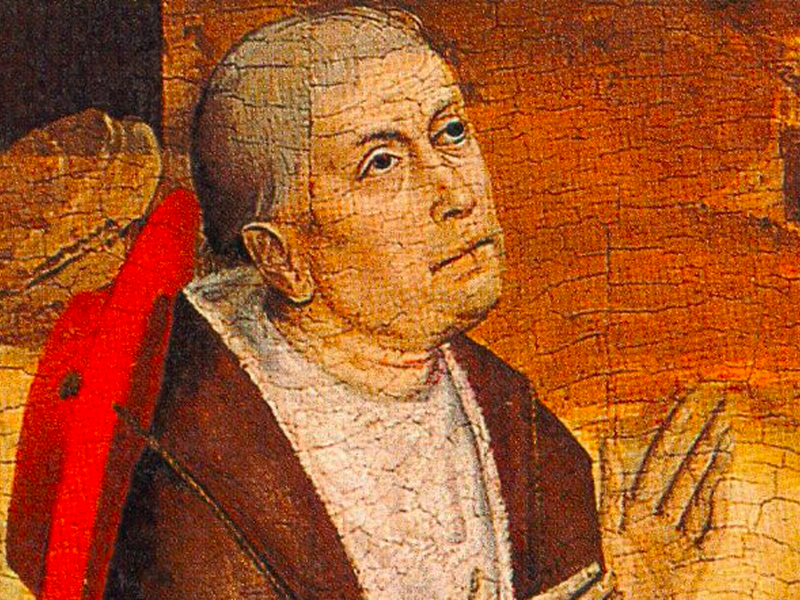
A Cusan Modernity?

The fifteenth-century German Cardinal Nicholas of Cusa led a busy and wide-ranging life. Educated in liberal arts and law at Heidelberg and Padua, Nicholas was a leading figure in the Conciliarist movement, and later served as a papal legate to both Constantinople and throughout Germany. As Bishop of Brixen, he…

by Peter LeithartApril 29, 2013
screenshot-2023-07-27-at-10-25-35-am
Deuteronomy

Law and History: How to Read the Law of Moses (Part 7)

This is the seventh in a series of studies on Deuteronomy 22:30-23:8. Thou shalt not abhor an Edomite, for he is thy brother; thou shalt not abhor an Egyptian, because thou wast a sojourner in his land. The children of the third generation that are born unto them shall enter…

by Ralph Allan SmithApril 25, 2013
ivan-aleksic-16yxcjsoaek-unsplash
Romans

What Advantage the Jew?

A sermon on Romans 3:1-8. 1 Then what advantage has the Jew? Or what is the value of circumcision? 2 Much in every way. To begin with, the Jews were entrusted with the oracles of God. A lot of people speculate here about what kind of advantage Paul is talking…

by Mark HorneApril 22, 2013
screenshot-2023-07-27-at-10-25-35-am
Deuteronomy

Law and History: How to Read the Law of Moses (Part 6)

This is the sixth in a series of studies on Deuteronomy 22:30-23:8. An Ammonite or a Moabite shall not enter into the assembly of Yahweh; even to the tenth generation shall none belonging to them enter into the assembly of Yahweh forever: because they met you not with bread and…

by Ralph Allan SmithApril 17, 2013

Showing page 195 of 309

See all
See all

Monasticism

In a 2002 article, Lester Little notes the biblical inspiration for Carolingian Benedictine monasticism: “In inspiration, thought patterns, and rhetoric, this liturgical monasticism shared in a culture that was deeply indebted to the Old Testament. Models for the duties and prerogatives of the religious were found in the instructions given…

August 28, 2012
Uncategorized

Mammon

Charles Eisenstein offers this arresting description of the divine attributes of money in modern culture ( Sacred Economics: Money, Gift, and Society in the Age of Transition , xiii-xv): “The one thing on the planet most closely resembling the . . . conception of the divine is money. It is…

August 23, 2012

On Divine Tensions

In his Forsaken: The Trinity and the Cross, and Why It Matters , Thomas H. McCall cites some alarming statements about the logic of atonement from evangelical theologians, who claim that there is a “strife of attributes” in God: “Gregory Boyd and Paul Eddy describe this position as one that…

August 23, 2012
Uncategorized

Timeless violence

According to most ancient myths, the origin of the creation is violent violent. It must be so. Reality as we know it is in constant motion, a realm of constant change. But antique religions are quests for a place of stability. To get to that “rock of ages,” change has…

August 21, 2012
Theology

Normal gods

In his outline of theology proper in Christian Dogmatics, Volume 1 , Jenson describes the “usual god” of ancient religion: “The usual God, whose eternity is persistence of the beginning, has as his very honor among us that in him we are secure against the threats of the future. Ancient…

August 21, 2012

Meal and social order

In their classic study of The Cuisine of Sacrifice Among the Greeks (13), Detienne and Vernant describe how the distribution of meat from a sacrificed animal traces the boundaries and ranks of a social order: “The commensal meal begins with division. Two systems seem to compete, both in the carving…

August 21, 2012

Showing page 879 of 2212

Browse by Category

In Medias Res

Your weekly digest for all things Theopolis.

Donate

Theopolis is nearly 100% donor-supported. Consider joining us on our mission.