Ralph Allan Smith
108 articles
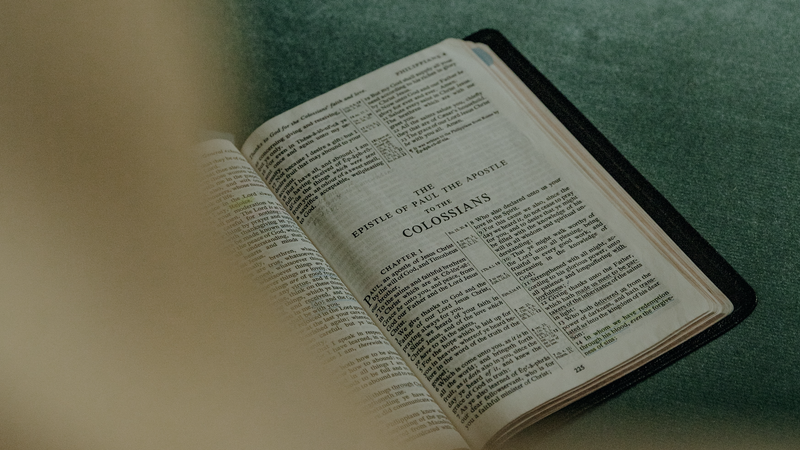
Colossians 4:2, “Watch"
Peter O’Brien’s translation of Colossians 4:2 surprised me: “Persevere in prayer as you watch for the Lord’s return, and be thankful.” 1 What is surprising about that? Well, none of my English translations mentioned “the Lord’s return” — nor does the Greek text! Translated literally, the verse just says: “In…

LGBTQ+ Is Not Enough! — TMPZ+
White Western/Christian society has long discriminated against lesbians and homosexuals — ever since the days of Moses — who was neither white nor Christian, but that is beside the point — who claimed that God gave him revelation about what a man or woman is and how they should relate…
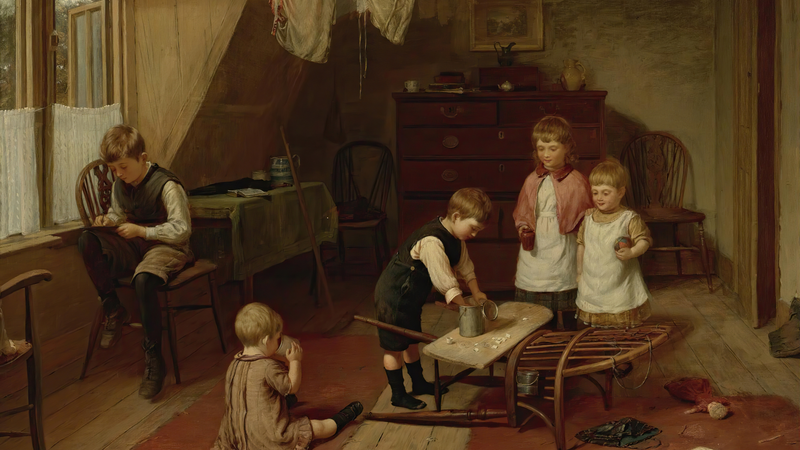
Children in the Lord: Colossians 3:20
I should begin by declaring my bias: I believe that the book of Colossians was written by the apostle Paul around AD 60, during the Roman imprisonment recorded in Acts 28. Douglas Moo offers a detailed defense of Pauline authorship, including dating the book in AD 60 during Paul’s Roman…

The Household Code in Colossians
Angela Standhartinger has written about the so-called “house-hold code in Col. 3:18-4:1.” Her introductory paragraph is illuminating. The household code in Col. 3.18-4.1 is the earliest text in the New Testament that calls on women, children and slaves to submit to men, fathers and masters. In many respects this text…

A Time to Kill (Ecclesiastes 3:3)
Where do we draw the lines between what is right and wrong? This question is fundamental to civilization, fundamental to a free society. To put this question in the bluntest and most offense terms: if there is a time to kill — which Solomon says there is — whom shall…
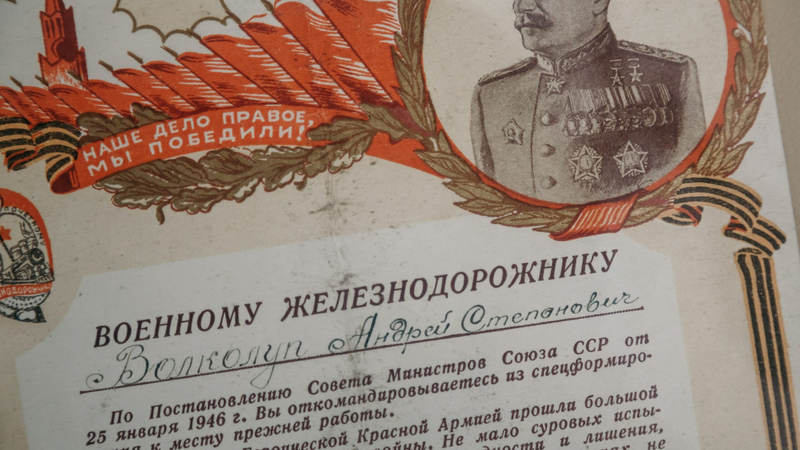
Lie Not To One Another
Reading Robert Conquest’s biography of Stalin 1 has opened new lines of meditation on Paul’s command in Colossians 3:9. But before turning to that, let me briefly indicate what Paul is not saying. He is not saying that there is no such thing as righteous deception, such as Jael practiced…
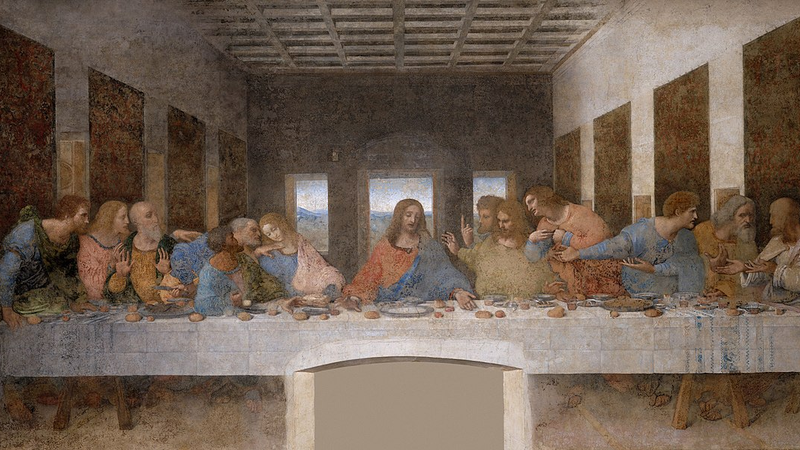
Torah as Testimony (Part 3)
In the first two essays in this series, I addressed the question of how the nations would learn about Israel’s Torah, in the second essay especially emphasizing the aesthetic aspects of Israel’s testimony. For we naturally wonder: How would people in Mesopotamia or Egypt, not to mention the rest of…
Torah as Testimony (Part 2)
Cornelius Van Til offered a revolutionary exposition of the Christian worldview through the lens of Reformed theology. He argued and, I believe demonstrated, that Biblical metaphysics, epistemology, and ethics mutually presuppose and include one another. Every ethical statement of the Bible — commands about righteousness — presuppose the existence and…
Torah as Testimony (Part 1)
In the introductory portion of Deuteronomy, Moses’ last sermons to the people of Israel — people that he regarded as his own beloved children — there is a statement that may seem paradoxical to a modern reader. It invites questions and maybe even creates problems in our understanding. Here are…
Crime and Punishment
First, I am sincerely thankful to God that there is a scholar like Jonathan Burnside teaching Biblical law in a British university! And Jonathan’s essay on Biblical law is an excellent starting point for Christian discussion. Especially from points one through five, the only thing I can say is “Amen”!…
Paul in Prison: Ephesus or Rome?
In the books of 1 and 2 Corinthians, Paul refers to hardships in his ministry in Asia, specifically Ephesus (1 Corinthians 4:9-13; 15:32; 2 Corinthians 1:8; 4:8-12; 6:4-5; 11:23-25). However, the multiple imprisonments Paul mentions are not fully reflected in Luke’s account of Paul’s ministry — Luke only records a…
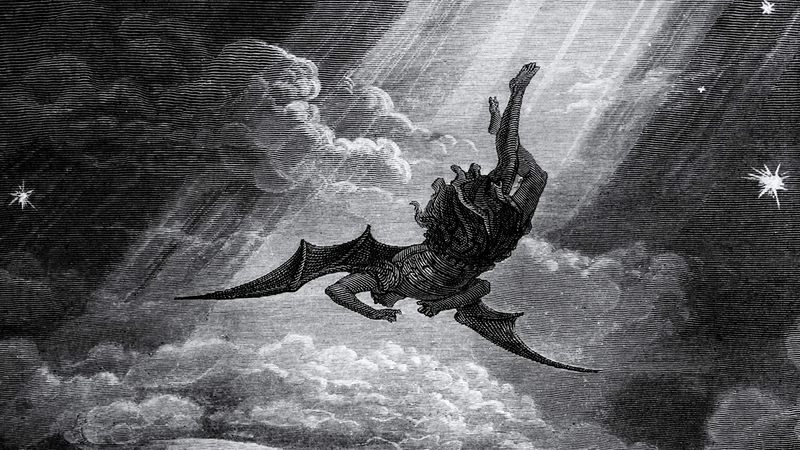
The Fall of Satan
Of course, the title should be something like, “The Fall of the Angel Who Came to be Satan,” but that and other more accurate titles are too cumbersome. The question is: who is Satan, and when and how did he become “Satan” (Adversary, Accuser) and the “devil” (slanderer)? By my…
Showing page 3 of 9