In my first post I noted that the parables of Jesus were not simply illustrative stories. They are really nothing like the kind of simple, homely illustrations that preachers often use to explain difficult concepts to their congregations. Just to be clear: there’s nothing wrong with illustrating one’s sermonic statements. Nothing at all. That’s just not what the parables of Jesus are. Parables are more mysterious than that.
The meaning of the word “parable” is somewhat elastic in the Scriptures. The word “parable” refers to a teaching device whereby two things are compared. It can refer to proverbs, wisdom oracles, fables, allegories, riddles, and even dark enigmatic sayings. We have to determine its meaning from its usage.
When the word appears on Jesus lips, it already has a frame of reference, a history. What might that be? The Hebrew Scriptures. The few examples of “parables” ( mashal ) in the old creation are very revealing.
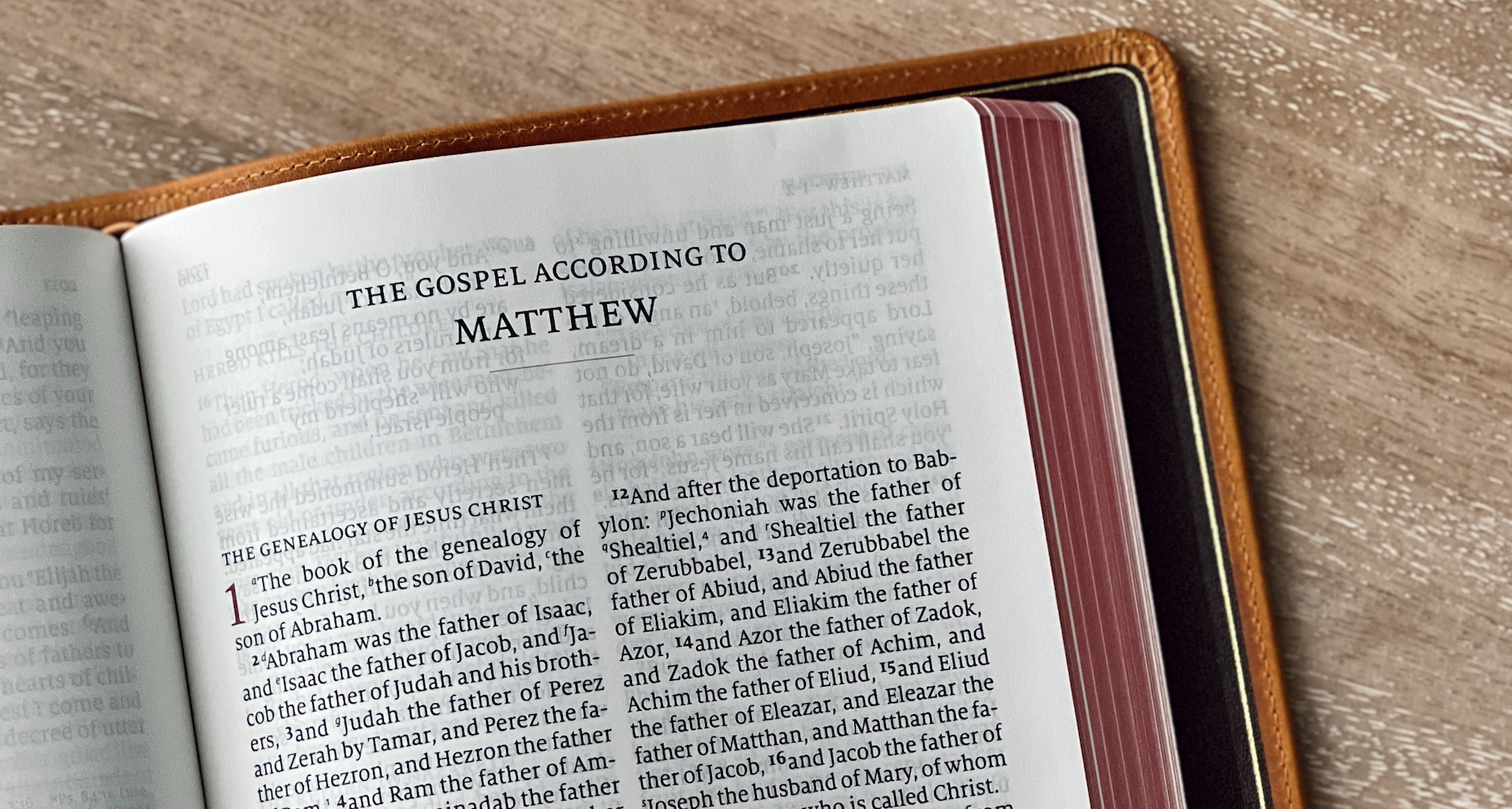
We’ll start with Matthew’s quotation of Psalm 78 in Matthew 13:34-35. Matthew says: “All these things Jesus said to the crowds in parables; indeed, he said nothing to them without a parable. This was to fulfill what was spoke by the prophet:
I will open my mouth in parables; I will utter what has been hidden since the foundation of the world.”
Asaph begins begins Psalm 78, a long historical song, with the words: “I will open my mouth in a parable: I will utter dark sayings of old” and then he proceeds to recount the rebellion, sin, and failure of God’s people as a warning for future generations. They kept not his covenant is a constant refrain. The story of God’s people and their failure is parabolic. Who will listen to it and hear? Psalm 78 is a Psalm of judgment that warns the present generation of the wayward example of Israel in the past. Those who sing this Psalm are expected to have the wisdom to be able to decipher and apply the “parables.”
Balaam speaks in parables in Num. 23-24 that turn out to be a curse to Midian, Amelek, and the Kenites. Parables speak of judgment against God’s enemies.
Job’s final speech (Job 26-31) against his three friends is cast in the form of a parable ( mashal ). It ministers judgment against his three accusers.
Jotham, the youngest of Gideon’s sons, and the only survivor of Abimelech’s murderous coup, declaims a parable from Mt. Gerizim, against his bastard brother—the parable of the trees (Judg. 9). Jotham does not speak plainly, but craftily as a judgment against Abimelech.
Nathan the prophet is sent by the Lord to rebuke David after his adulterous affair with Bathsheba. The first word out of his mouth is the parable of the ewe lamb (2 Sam. 12:1ff). Without any explanation. David understands it to refer to someone else. The parable has masked the truth. Nathan must speak plainly: you are the man!
The prophet Isaiah sings a parable to the people of Israel, one his most famous, the parable of the Vineyard (Isa. 5). It is spoken in righteous indignation as a judgment against Israel. Later the Lord says to Isaiah, “take up this parable against the king of Babylon, and say: “How the oppressor has ceased, How his fury has ended” (Isa. 14:14).
The Word of the Lord came to Ezekiel in Ezek. 17, “Son of man, pose a riddle, and speak a parable to the house of Israel” It is propounded to “the rebellious house of Israel.” Again, in Ezekiel 24, the Lord says, “utter a parable to the rebellious house, and say to them, `Thus says the Lord Yahweh: “Put on a pot, set [it] on, And also pour water into it.”‘”
The prophet Micah speaks: “Therefore thus says Yahweh: “Behold, against this family I am devising disaster, from which you cannot remove your necks; Nor shall you walk haughtily, For this [is] an evil time. In that day [one] shall take up a parable ( mashal ; “taunt song”) against you, and lament with a bitter lamentation, saying: `We are utterly destroyed!” (Micah 2:3-4).
Now, finally, when Jesus appears “teaching them many things in parables” and “he said nothing to them without a parable” what are we to conclude? The parable is the medium of judgment, the grammar of God’s wrath and curse against his obstinate people.
The parable is propounded to a people that deserve his judicial blinding (Matt. 13:12-13). Parables are uniquely suited to engage and challenge the hearers to judge their own situation. The parables by their very nature as wisdom devices, call for careful thought and spiritual discernment.
Parables mask, they veil the truth. They hide as much as they illustrate. And unless you are predisposed to search out and understand the meaning, like the disciples, and unless you are graciously enlightened by God, as the disciples were, you will not only not understand them but they will serve as a judgment against you. Tragically, figuring out a parable is precisely what dull-hearted, conscience-seared people are not inclined to do.
Now, the question becomes acute: who are these thick hearted, spiritually dense people who deserve nothing but the judgment of veiled truth? They are the people of Israel, God’s own covenant people, especially as exemplified in their leaders: the Pharisees, Sadducees, teachers and scribes of the law, Priests, and the Herodians.
For them the parables serve as a judgment. God punishes their disobedience and stubborn ears by veiling the truth. That’s why Jesus speaks in parables. Parables are the genre of obfuscation. “He who is often rebuked, and hardens his neck, will suddenly be destroyed, and that without remedy.” (Prov. 29:1).
Jeff Meyers is pastor of Providence Reformed Presbyterian Church in St. Louis. This piece was originally posted at the Biblical Horizons blog.
Jeff Meyers is a contributor to Theopolis.
More from Job
Continue reading related articles
Job: The Baiting of Satan
Job appears in the Bible as a true story and it is regarded as such in other Scripture: As an example of suffering and patience, brothers, take the prophets who spoke in the name of the Lord. Behold, we consider those blessed who remained steadfast. You have heard of the…
Dominion Mandate Scorecard
1 Do you know when the mountain goats give birth? Do you observe the calving of the does? 2 Can you number the months that they fulfill, and do you know the time when they give birth? Job 39 We have and we do, Lord God. Spring is calving season.…

Get Behind Me, Eliphaz!
The Book of Job is a very tortuous book. The arguments of Job and his friends are shot through with truth and error hopelessly mixed together. Every line of contentious poetry stands locked in deadly battle with every other line. As maddening as this can be for a reader who…
In Medias Res
Your weekly digest for all things Theopolis.