Theopolis Logo

Writing

Explore our collection of theological essays, biblical studies, and reflections on faith and culture.

See all
evangelists
Matthew

Dating Matthew, (Part 1)

When might the Gospel according to Matthew have been written? Of course, any answer can only be speculation, but that does not mean we are reduced to groundless opinion. In this series of articles I point the way to an approach different from the general consensus among scholars today which…

by Ralph Allan SmithNovember 22, 2016

hebrew-manuscript-3
Hermeneutics

Synopticity, (Part 2)

In my first essay on “synopticity” I offered a rather rough definition of the phenomenon and important, though not exhaustive examples. In this essay, I want to introduce broader aspects of the phenomenon of “synopticity.” The first example that I have in mind is conventional stories, stories of different historical…

by Ralph Allan SmithNovember 17, 2016
screen-shot-2016-03-31-at-9-32-11-am
Ascension

Brexit and the Binding of Satan, Part 4

Since the judgment of Babel was followed by the initiation of the circumcision, the impending end of the circumcision in AD70 explains the significance of the first century miracle of foreign tongues. Except for a few Aramaic “teasers” in the book of Daniel, the Word of God was monolingual and…

by Mike BullNovember 15, 2016
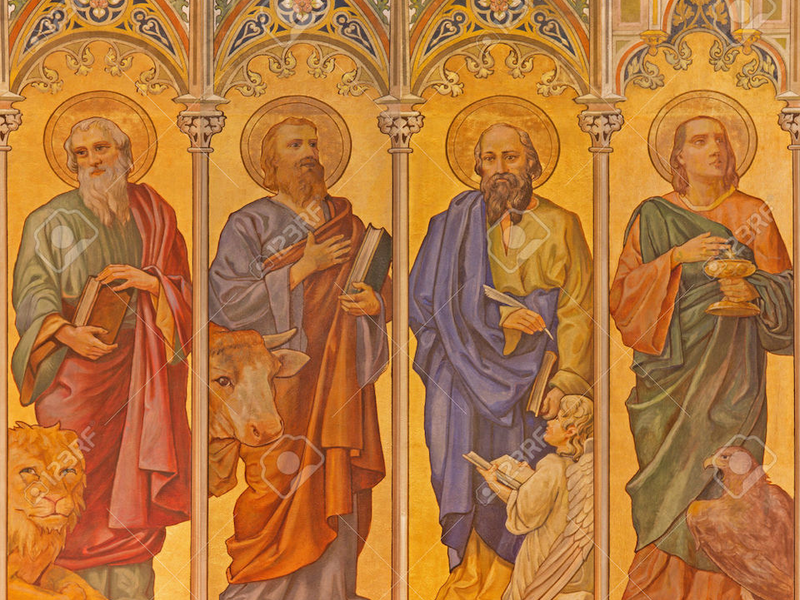
four-evangelists
Hermeneutics

Synopticity, (Part 1)

To the best of my knowledge “synopticity” is not a word used in theology or Biblical studies, but it seems an appropriate word to describe the kind of phenomena associated with the Synoptic Gospels, Matthew, Mark, and Luke. These three Gospels tell essentially the same story with significant — sometimes…

by Ralph Allan SmithNovember 10, 2016
laughing_statue_by_xxbobbiie-d5f0meh-2
Humor

Learning to Laugh

Humor is a funny thing. It is altogether familiar yet also mysterious. What makes us laugh? Why do we find things funny? There are academic fields of study dedicated to discovering what makes things humorous. These academicians even have a journal entitled International Journal of Humor Research . No joke.…

by Bill SmithNovember 8, 2016
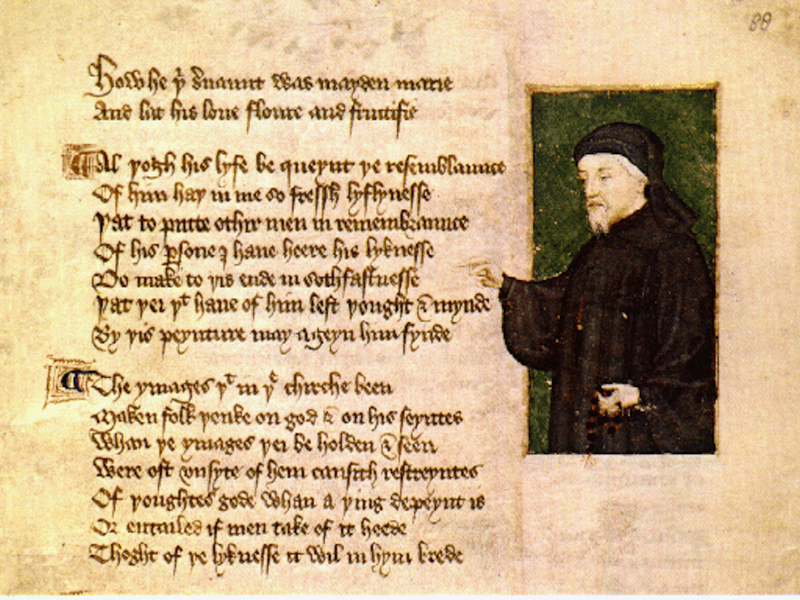
chaucer
Literature

Flawed Means of Grace: Liturgy in The Pardoner's Tale

Out of all the characters in Geoffrey Chaucer’s The Canterbury Tales , the Pardoner has been called the “one lost soul.” The pious Parson, who closes out the collection of tales with a sermon on the seven deadly sins and how a sinner can absolve himself of them, connects the…

by Christian LeithartNovember 3, 2016

Showing page 122 of 309

See all

Showing page 10 of 43

See all
Economics

Consumerism

Consumerism is a popular category of analysis, but what exactly does it mean? How is consumerism or the consumer society different from anything else? Haven’t every economies had producers and consumers? In his The Romantic Ethic and the Spirit of Modern Consumerism , Colin Campbell offers this description of consumerism:…

February 23, 2006
History

Aesthetic proletariat

Bohemians, Featherstone suggests, were the first “true artistic proletariat,” living next to lower class people in low-rent areas of the larger cities, and imitating the lifestyle of the lower classes: “They cultivated similar manners, valuing spontaneity, an anti-systematic work ethos, and a lack of attention to the sense of ordered…

February 23, 2006
History

Aestheticization of life

Featherstone isolates three aspects of the postmodern aestheticization of daily life: 1) Artistic movements such as Dada and Surrealism attempt to break down the boundary between art and daily life by turning toilets and such into art objects. This is both an attempt to “dissemble [art’s] sacred halo and challenge…

February 23, 2006
Literature

Theater of the Absurd

In a lecture on Tom Stoppard’s Rosencrantz and Guildenstern are Dead, Ian Johnston makes this helpful distinction between existentialist drama and the Theater of the Absurd. “In the Theatre of the Absurd the protagonists are discovered in a world which they do not, indeed they cannot, understand. It has no…

February 23, 2006
History

Postmodern mathesis

Modernity attempts to spatialize time, and to chart temporally shifting reality in a fixed mathesis. So argues Catherine Pickstock at least. But in this sense postmodernism is hypermodernism. Featherstone notes that MTV “seems to exist in a timeless present with video artists ransacking film genres and art movements from different…

February 23, 2006
History

Turn of the Century Bobos

Mike Featherstone, expounding on the “aestheticitization of everyday life” that he claims is characteristic of the postmodern ethos, notes that similar motifs are evident in the early development of the fashion industry: “The intensified place of fashion increases our time-consciousness, and our simultaneous pleasure in newness and oldness gives us…

February 23, 2006

Showing page 1879 of 2212

Browse by Category

In Medias Res

Your weekly digest for all things Theopolis.

Donate

Theopolis is nearly 100% donor-supported. Consider joining us on our mission.