Theopolis Logo

Writing

Explore our collection of theological essays, biblical studies, and reflections on faith and culture.

See all
img_5862
Culture

Birmingham Life and Culture Series

There’s something about joy that is infectious. And occasionally, we all have the opportunity to be in someone’s presence who is so happily engaged in their work, so joyous in their pursuits, that we want to learn from them. We want to know where that joy comes from and attain…

by Brian MoatsOctober 23, 2015
img_6077
How to Worship

How To Change the World, (Part 1)

Jesus has told us that He intends all nations to be discipled. Nations. Not just individuals. All nations as theocracies. That being the case, the Church exists for the life of the world. Being baptized is not only a matter of becoming part of a new family, it is also…

by James B. JordanOctober 22, 2015
branagh-macbeth
Literature

Adam, Saul, Macbeth

Harold Bloom’s essay on Macbeth includes the kind of penetrating insights that make Bloom the great Shakespearean scholar that he is, but it also includes his typical and intense anti-Christian bias. “If Lear was pre-Christian, then Macbeth is weirdly post-Christian. There are, as we have seen, Christian intimations that haunt…

by Ralph Allan SmithOctober 20, 2015
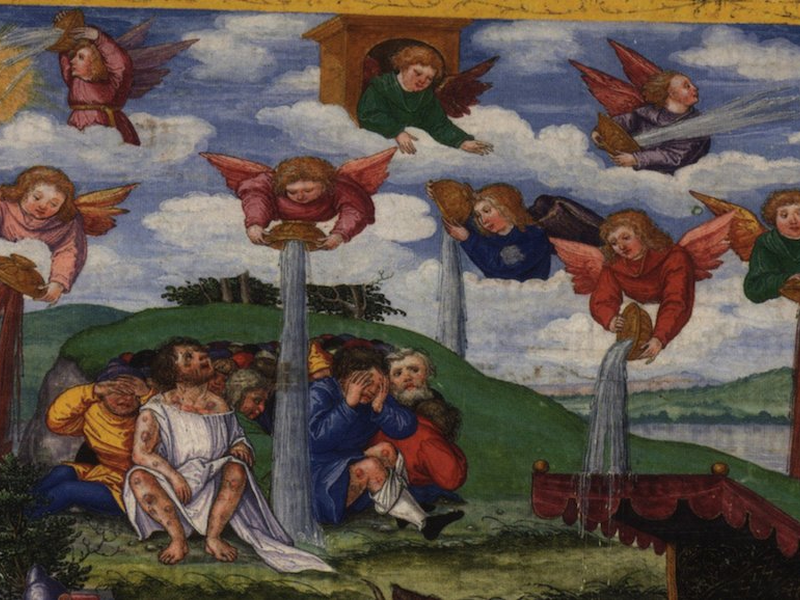
bowls
Revelation

Inverted Atonement

Revelation 16 is a day of atonement text. The tabernacle of the testimony has been opened (15:5). The angels who receive the bowls are clothed in linen (15:6), the clothing of the high priest when he goes into the sanctuary on the day of atonement (Leviticus 16:4). The temple is…

by Peter LeithartOctober 15, 2015
img_9025
Biblical Studies

Music and Hermeneutics

From time to time, when I’ve lectured on how to read the Bible, I’ve used art-music as one example thereof. When we listen to a simple folk song, we hear the same melody over and over again, but this is not how composers write "high" music. Let me amplify. A…

by James B. JordanOctober 13, 2015
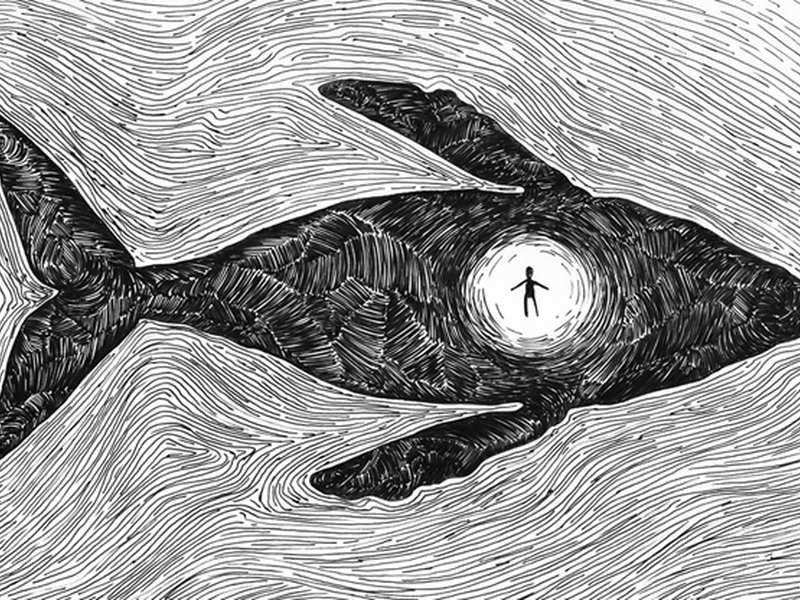
schlanger_jonah_prison_090913_620px
Biblical Studies

In the Fish: The Church as Tomb

"For just as Jonah was three days and three nights in the belly of the sea-monster, so will the Son of Man be three days and three nights in the heart of the earth" (Matthew 12:40). Some reflections on Jonah’s Big Fish have led to the following essay. Let me…

by James B. JordanOctober 8, 2015

Showing page 142 of 309

See all

Showing page 10 of 43

See all
Politics

Arnold’s Campaign

From the radio reports I hear, it seems that Arnold’s campaign is an extension of his movie career. At one stop, he unveils a bus bearing his mug, and buses for the press labeled “Predators.” At another stop, he talks about taxes, and says that in the movies he destroys…

October 3, 2003

Edwards on Samson

In his Miscellanies , Edwards has some fascinatingly positive things to say about Samson. For example: In Judg xvi. 1, 2, we have an account how Samson loved a harlot, and from his love to her exposed himself to be compassed round by his enemies. So the prophecies represent the…

October 3, 2003

Images of Divine Things

A few quotations from Edwards’ “Images of Divine Things” (1728): “When we travail up an hill ‘tis against our natural tendency and inclination, which perpetually is to descent; and therefore we can’t go on ascending without labor and difficulty. But there arises a pleasant prospect to pay us for our…

October 3, 2003
American Religion

Noll on Edwards

Mark Noll’s account of Edwards’s role in the undermining of the Puritan “sacred canopy” in New England, in his recent book America’s God , is an important analysis of one phase in the rise of American religion. According to Noll, the pattern goes something like this: 1) The Puritans had…

October 2, 2003
History

Edwards and Beowulf

Thinking through an upcoming lecture on Edwards, I had a Borgesian moment: In 1731, there was a fire at the Cottonian library in England that nearly destroyed the single manuscript containing the Anglo-Saxon poem Beowulf . In the same year, Edwards preached a controversial sermon at his church in Northampton,…

October 2, 2003

Polupragmosune

Every great civilization has some equivalent of what the fifth-century (BC) Athenians called polupragmosune . As defined by William Arrowsmith, that word “connotes energy, enterprise, daring, ingenuity, originality, and curiosity; negatively it means restless instability, discontent with one’s lot, persistent and pointless busyness, meddling interference, and mischievous love of novelty.”…

October 2, 2003

Showing page 2188 of 2212

Browse by Category

In Medias Res

Your weekly digest for all things Theopolis.

Donate

Theopolis is nearly 100% donor-supported. Consider joining us on our mission.