Theopolis Logo

Writing

Explore our collection of theological essays, biblical studies, and reflections on faith and culture.

See all
johann-siemens-epy0gbjzzzu-unsplash
Apologetics

A Sabbath Conversation: How Old is the Earth?

As Adam and Eve walked to the center of the Garden of Eden to meet with the LORD on their first Sabbath they conversed about the origin and age of the earth. Adam: You know, honey, we spent a lot of time yesterday making preparations for our house, and we…

by Jeff MeyersOctober 3, 1997
img_1043
Biblical Horizons

Psalms for Exile: The Narrative Progression in the Fifth Book of the Psalter

Some of our forefathers believed in reading/singing the psalms in order. Today, when the psalms are even used at all, they tend to be used randomly, though sometimes tied to a church calendar or to the pastor’s sermon. The Bible does not bind us to any particular practice, but there…

by James B. JordanSeptember 4, 1997
jordan-wozniak-xp_agmeea6s-unsplash-2
Biblical Chronology

The Anthropomorphic Days of C. John Collins, Part 2

Dr. Collins begins his essay with a brief statement of the Day Age view and then a brief statement of the Six Day view, focussing on the challenge to that view posed by modern "science." He ends this discussion by writing: "Two crucial points are at stake here: first, the…

by James B. JordanSeptember 4, 1997
john-salzarulo-wtjrpjzabcq-unsplash
Biblical Horizons

Paperweights and the Puzzles of Secularism

In his The Construction of Social Reality , Berkeley philosopher John Searle puzzles over the ontology of the products of human construction. Certain things – granite, platypi, weeping willows – occur naturally; while other realities – stone walls, zoos and parks, Chase Manhattan Bank – exist only as products of…

by Peter LeithartAugust 27, 1997
ales-krivec-4mibe6zg5r0-unsplash
Biblical Chronology

The Anthropomorphic Days of C. John Collins, Part 1

In the journal Presbyterion 20 (1994):109-130, published by Covenant Theological Seminary, Dr. C. John Collins sets forth a revision of the Day Age approach in his essay, "How Old Is the Earth? Anthropomorphic Days in Genesis 1:1–2:3." Dr. Collins’s essay has been widely accepted in evangelical Presbyterian circles as an…

by James B. JordanAugust 4, 1997
screenshot-2023-09-04-at-10-37-01-am
Biblical Horizons

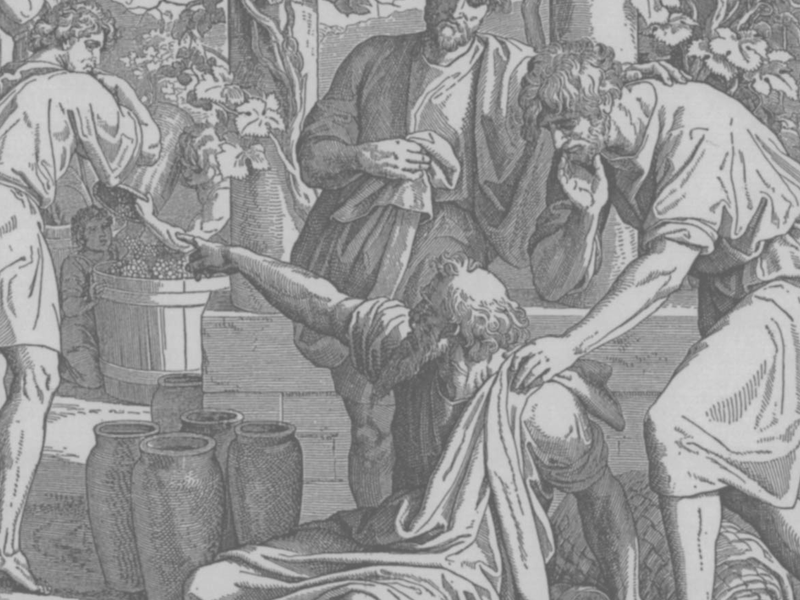
The Sin of Ham and the Curse of Canaan, Part 3 (An Exposition of Genesis 9:20-27)

The Righteousness of Shem and Japheth As noted above, the action of Shem and Japheth was purely symbolic. They did not need to cover Noah with a garment, for he was already covered by the tent. Their action was a symbolic affirmation of Noah’s authority, a symbolic rejection of Ham’s…

by James B. JordanAugust 4, 1997

Showing page 254 of 309

See all

Showing page 11 of 43

See all
hebrew-manuscript-4
Hebrews

Text Painting

Biblical writers often use "text painting": the form of the text portrays the topic of the text. The first half of the flood narrative describes the rising waters, steadily raising the ark toward heaven. The second half describes the descending waters. At the center: "Yahweh remembered Noah" (Genesis 8:1). Rise,…

September 30, 2024
creation-michelangelo-2
CreationTrinity

Creator and Critics

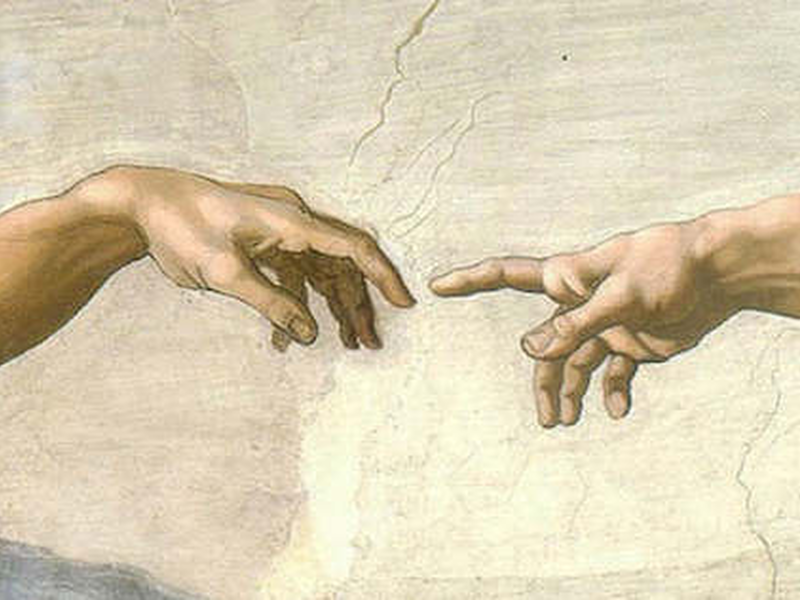
A response to Jordan Ballor’s review of my Creator , which was published at Acton.org on August 12. 1. Ballor says that, to avoid pantheism or panentheism, God’s identity as creator must be “relative, secondary, or conditional.” He rightly says that I argue the opposite: “God is Creator” is the…

September 4, 2024
the-resolutions-of-jonathan-edwards-me4czyke-copy
Jonathan EdwardsPhilosophy

Substance or Tune?

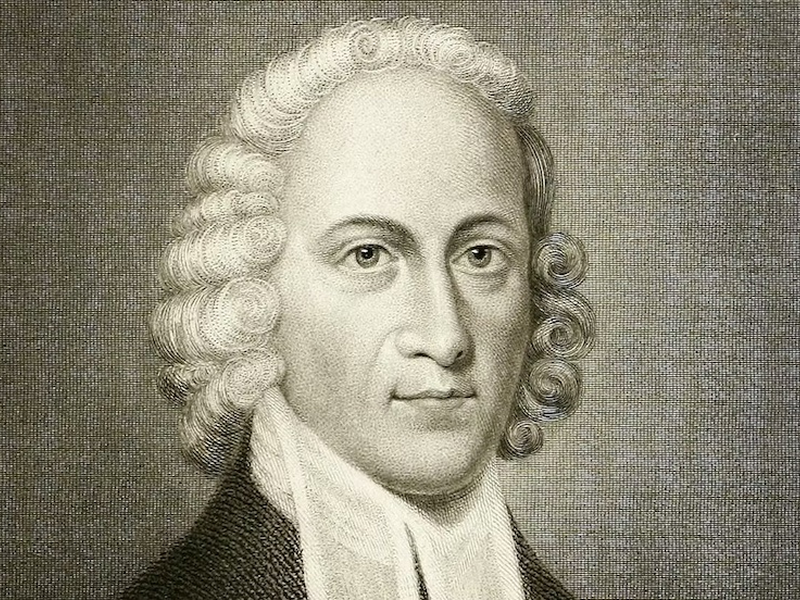
Jonathan Edwards didn’t think the world is a machine. At the heart of the mechanistic interpretation of Newtonian physics, he discerned, was the notion that “bodies” are (in Robert Jenson’s words) “the sort of thing that either can or cannot act ‘properly by themselves.’” The mechanistic world picture involved an…

July 22, 2024
o-christianity-before-paul-facebook-1024x788
ActsIsaiah

Paul's Idol Polemics

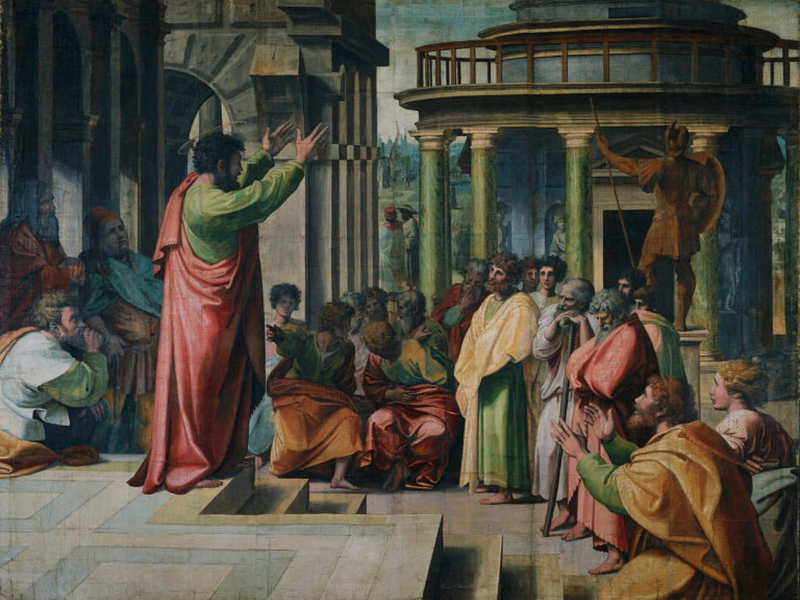
Joshua Jipp argues that Paul's Areopagus address contains both critique and propaganda, critique of Athenian superstition, lust for novelty, and idolatry, and propaganda in favor of Christian faith as a more consistent fulfillment of the aspirations of Hellenistic philosophical theology. Much of the critique, Jipp shows, is drawn from Isaiah's…

June 26, 2024
todd-cravens-g2pdilavgcy-unsplash
Poetry

Anahorish

Cobbling together some notes for a lecture series, I was reminded of Seamus Heaney's little poem, " Anahorish ." The Gaelic name means “place of clear water,” as the first line indicates, and the etymology suggests a place of purity and innocence. Anahorish was near Heaney’s childhood home in County…

June 4, 2024
capitol-dc-4
American Politics

Nomos and Narrative

In an article in the Harvard Law Review from the early 1980s, Robert cover explores the relation of legal structure and narrative. His analysis has wide-ranging legal, political, and even theological import. Cover states the thesis early: We live in “normative universes,” social worlds that distinguish between right and wrong,…

May 28, 2024

Browse by Category

In Medias Res

Your weekly digest for all things Theopolis.

Donate

Theopolis is nearly 100% donor-supported. Consider joining us on our mission.