Theopolis Logo

Writing

Explore our collection of theological essays, biblical studies, and reflections on faith and culture.

See all
jyn-erso_ccf70c46
Culture

Why We Should Jettison the “Strong Female Character”: (Part 1)

The trailer for the latest Star Wars movie, Rogue One: A Star Wars Story , was released last week. Following the success of the revival of the franchise in last year’s Star Wars: The Force Awakens , anticipation is unsurprisingly at a fever pitch. As in the case of The…

by Alastair RobertsMarch 6, 2018

pol1-2
Epistemology

Seeking Integration in a Fragmented World: Integration Requires an Integrative Epistemology: Michael Polanyi

The word, “integration,” can sound abstract, technical, unhelpful. But as I represented it in my first installment on this matter , I take it instead to be the central desire of our lives. We long to integrate life, and to integrate ourselves. I offered as a preliminary definition, that integration…

by Esther Lightcap MeekMarch 1, 2018
tpc-worship
How to Worship

Worship as Ordination

Anyone who has read his Bible straight through has done it. Admit it. When you get to those parts in Exodus that deal with the instructions for and construction of the Tabernacle, your eyes glaze over and your mind begins to wander. Measurements, lists of materials, meticulous details about clothes…

by Bill SmithFebruary 27, 2018
communion
Biblical Theology

Bread and Cup

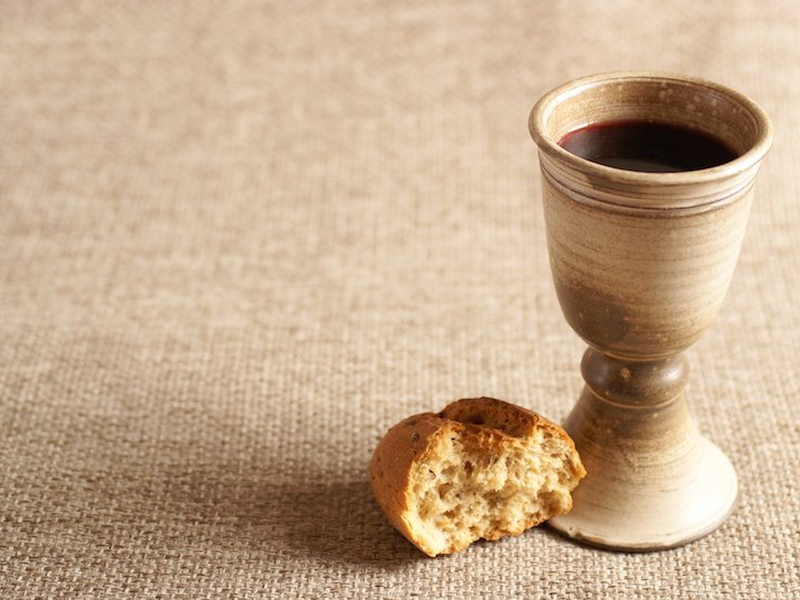
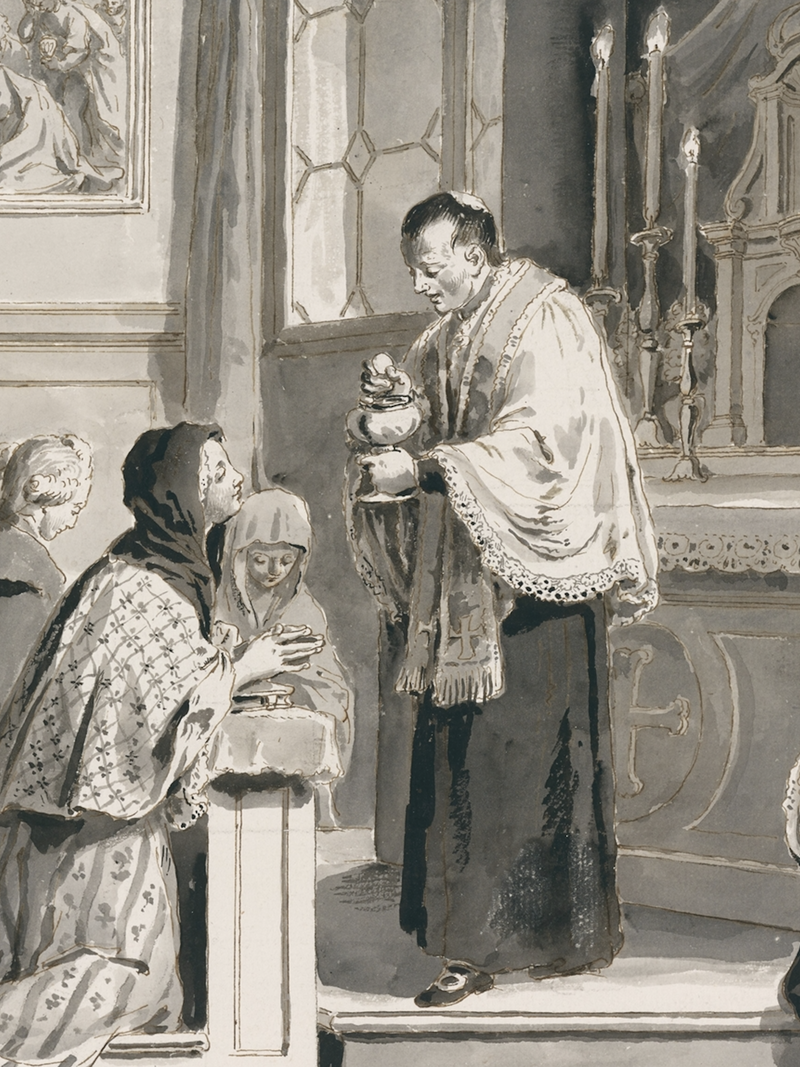
This article is a continuation of James Jordan's article, " From Bread to Wine ". We will here investigate the use of the word “cup” for the wine. I suggest that the cup itself corresponds to the firmament shell between heaven and earth, and that the liquid in the cup…

by James B. JordanFebruary 22, 2018
494f36e12287c0f48bcbbc4bf209461e
Atonement

Streams in the Desert

And there came a voice from heaven, saying, Thou art my beloved Son, in whom I am well pleased. And immediately the Spirit driveth him into the wilderness. And he was there in the wilderness forty days, tempted of Satan; and was with the wild beasts; and the angels ministered…

by Arthur KayFebruary 20, 2018
communion
Biblical Theology

From Bread to Wine

In the Bible, bread (and beer, usually translated “strong drink,” liquid bread made from grain) is priestly and wine is kingly and prophetic. Bread comes first and wine later. Bread is alpha food while wine is omega food. You eat bread in the morning and drink wine at night. Bread…

by James B. JordanFebruary 15, 2018

Showing page 98 of 309

See all

Showing page 14 of 43

See all
History

Hermeticism and gnosticism

In his book on the hermeticist Hegel, Magee gives this helpful sketch of the differences between gnosticism and hermeticism: “Gnosticism and Hermeticism both believe that a divine ‘spark’ is implanted in man, and that man can come to know God. However, Gnosticism involves an absolutely negative account of creation. It…

August 16, 2006
Philosophy

Hegel and Hermes

In a 2001 book (Cornell), Glenn Magee argues that Hegel must be understood as a hermetic thinker. Hegel claims to have moved beyond the ancient notion of philosophy as “pursuit of wisdom” to an absolute knowledge that is simply identical with wisdom. As Magee says, “Hegel’s claim to have attained…

August 16, 2006

MacIntyre on Heroic virtue

In After Virtue , Alasdair MacIntyre provides a neat discussion of the virtue and selfhood in Greek antiquity. The unity of ARETE, virtue, “resides . . . in the concept of that which enables a man to discharge his role,” and refers to “excellence of any kind,” whether in a…

August 16, 2006
Philosophy

Logos: Harmony and Recipe

One Marc Cohen of the University of Washington, offers this account of the “logos” of Heraclitus in an online lecture outline: First, “There is an orderly, law-governed process of change in the universe. (Compare fragment 80 with Anaximander, who equates strife with injustice; for Heraclitus, strife is justice, and is…

August 16, 2006

Life of Heraclitus

Some selections from Diogenes Laertius’ “Life of Heraclitus, from his “Lives and Opinions of Eminent Philosophers: “He was above all men of a lofty and arrogant spirit, as is plain from his writings, in which he says, ‘Abundant learning does not form the mind; for if it did, it would…

August 16, 2006
History

Asocial sociability

Seigel devotes a fascinating section of his book ( Idea of the Self ) to a summary of Mandeville’s Fable of the Bees , in which Mandeville describes what Kant characterized as the “asocial sociability” of human nature. Social in the sense that even in a natural state, prior to…

August 15, 2006

Showing page 1809 of 2212

Browse by Category

In Medias Res

Your weekly digest for all things Theopolis.

Donate

Theopolis is nearly 100% donor-supported. Consider joining us on our mission.