Theopolis Logo

Writing

Explore our collection of theological essays, biblical studies, and reflections on faith and culture.

See all
or
Abortion

Political Hermeneutics: The Argument From Silence, Part 2

Click HERE for part 1. III This leads to a further question. I have argued that silence cannot by itself establish a Scriptural principle, but does Scripture’s silence carry any weight in itself? Does the fact that something is unbiblical in a weak sense tell us anything at all? In…

by Peter LeithartMarch 13, 1990

hebrew-manuscript-6
Biblical Chronology

Groping Through the Gaps

Although nowadays gap theories are associated with dispensationalism, it was not always so. In the nineteenth century, scholars from a variety of backgrounds (Anglican, Reformed, and proto-fundamentalist) seem to have become fascinated by gaps. If you are not familiar with what I am talking about, this newsletter will acquaint you…

by James B. JordanFebruary 26, 1990
or
Abortion

Political Hermeneutics: The Argument from Silence, Part 1

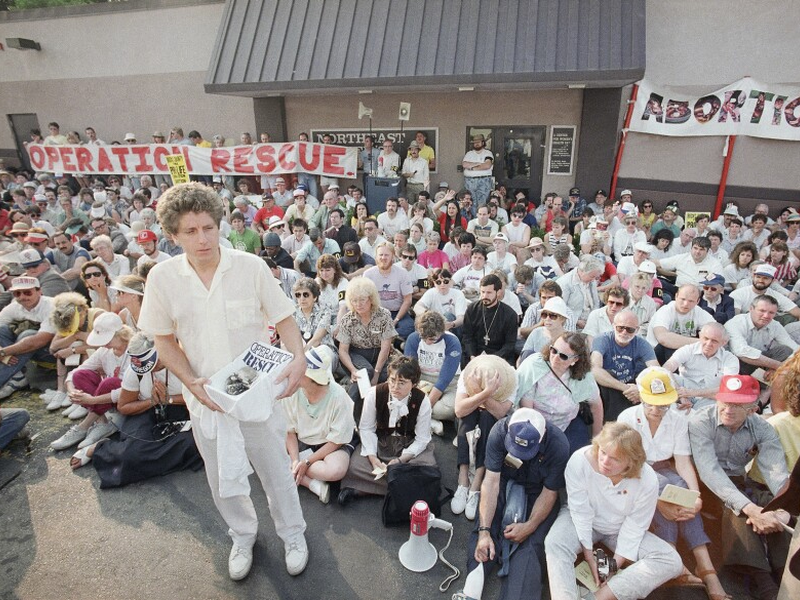
If the debate over Operation Rescue has proven anything, it has proven that there is absolutely no consensus among evangelicals in general, or among "reconstructionists" in particular, about how to use the Bible to judge political actions and movements. Each side of the debate claims biblical authority for its position,…

by Peter LeithartFebruary 13, 1990
49980-nicolas_poussin_-_the_judgment_of_solomon_-_wga18330-800w-tn
Biblical Studies

Advice From a Sojourner, Part 4

Two things I asked of Thee, Do not refuse me before I die: Keep deception and words of falsehood far from me, Give me neither poverty nor riches, Feed me with the food that it my portion, Lest I be full and deny Thee, And say, "Who is the LORD?"…

by James B. JordanFebruary 2, 1990
image-2
Biblical Horizons

Foucault’s Pendulum

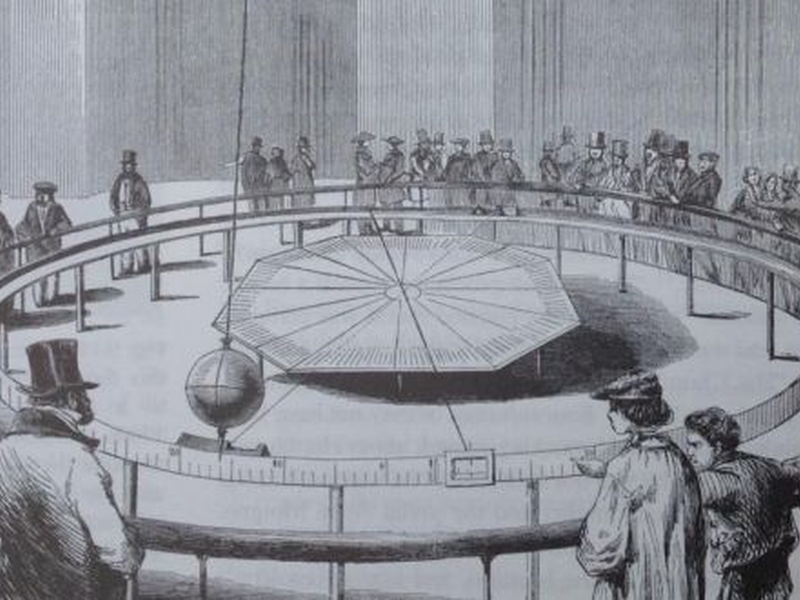
Umberto Eco’s "The Name of the Rose" was certainly one of the best literary works of the past decade, though the film version hardly measured up to it. Now Eco has given us a new novel, "Foucault’s Pendulum." Like Rose, Foucault’s Pendulum reflects on the limitations of human knowledge, and…

by James B. JordanJanuary 26, 1990
tanner-mardis-xuxghzhibn4-unsplash-1-2
Biblical Studies

What Is “Interpretive Maximalism”?

From time to time people ask me about "interpretive maximalism." They want to know what it is, and sometimes want to know if it represents some departure from the Reformed grammatico-historical, Biblico-theological approach to the Bible. I have something of a problem with these questions, because "interpretive maximalism" is not…

by James B. JordanJanuary 26, 1990

Showing page 305 of 309

See all

Showing page 14 of 43

See all

Putting the oikos into Oikonomy

Psalm 128 promises a fruitful home to the man who fears Yahweh. He will prosper from the labor of his hands, with no one plundering or taxing away his goods. The assumption is that productive work is part of family life. The family is an economic unit, among other things,…

February 11, 2016

Glory of Kings

God gave us the book of Proverbs to teach us wisdom. Partly, He does that by teaching us the content of Proverbs. But he is also teaching us wisdom by the way He communicates wisdom. Proverbs 25:2 says, “It is the glory of kings to conceal a matter, but the…

February 11, 2016

Grace, Judgment, Gospel

Atonement theories can be seen as efforts to synthesize the grace and judgment of God: How does He show grace to a race that deserves condemnation. Solutions are often sought systematic syntheses, and there is something to that: The cross proves God to be just and the justifier of those…

February 11, 2016

Finding Fixed Points in Revelation

Revelation is a confusing book for many readers, apparently endlessly, perhaps even drearily repetitive. The pyrotechnics and special effects might fascinate for a bit, but after a while it all blurs and blends and leaves us wandering in the bewilderness (David Sterritt's wonderful term). Can we find fixed points, coordinates…

February 10, 2016

Hope of the Hopeless

We do what we do because we hope to accomplish something by our actions. All our actions are directed at the future. We want things to be different than they are now, and we plan and act in hope that we can make things come out differently than they otherwise…

February 10, 2016
Political Theology

Theology, Civic or Natural

Modern theology has often been obsessively concerned to justify itself to cultured despisers, and this self-justification has often taken the form of “prolegomenon,” the technical name for an introduction to a theological treatise. To the extent that prolegomena represent efforts to describe the work of theology and its place in…

February 10, 2016

Showing page 322 of 2212

Browse by Category

In Medias Res

Your weekly digest for all things Theopolis.

Donate

Theopolis is nearly 100% donor-supported. Consider joining us on our mission.