Theopolis Logo

Writing

Explore our collection of theological essays, biblical studies, and reflections on faith and culture.

See all
or
Abortion

Political Hermeneutics: The Argument From Silence, Part 2

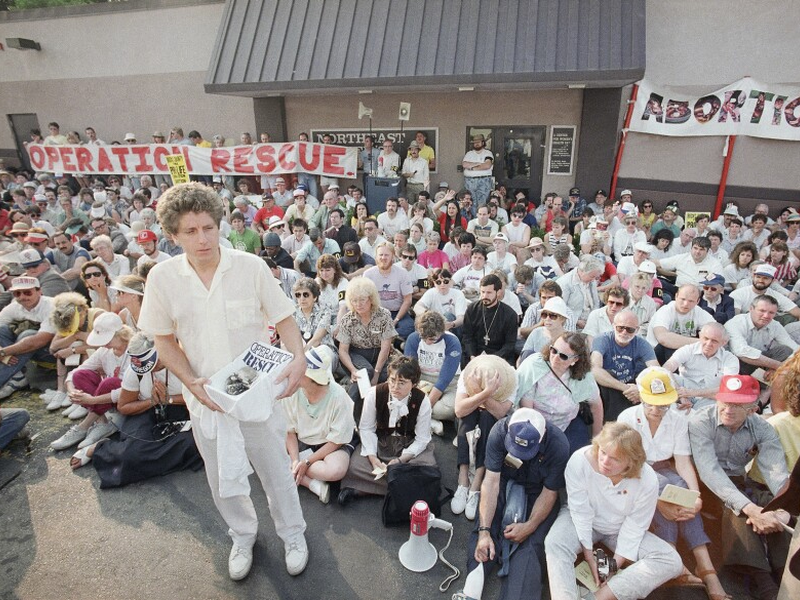
Click HERE for part 1. III This leads to a further question. I have argued that silence cannot by itself establish a Scriptural principle, but does Scripture’s silence carry any weight in itself? Does the fact that something is unbiblical in a weak sense tell us anything at all? In…

by Peter LeithartMarch 13, 1990

hebrew-manuscript-6
Biblical Chronology

Groping Through the Gaps

Although nowadays gap theories are associated with dispensationalism, it was not always so. In the nineteenth century, scholars from a variety of backgrounds (Anglican, Reformed, and proto-fundamentalist) seem to have become fascinated by gaps. If you are not familiar with what I am talking about, this newsletter will acquaint you…

by James B. JordanFebruary 26, 1990
or
Abortion

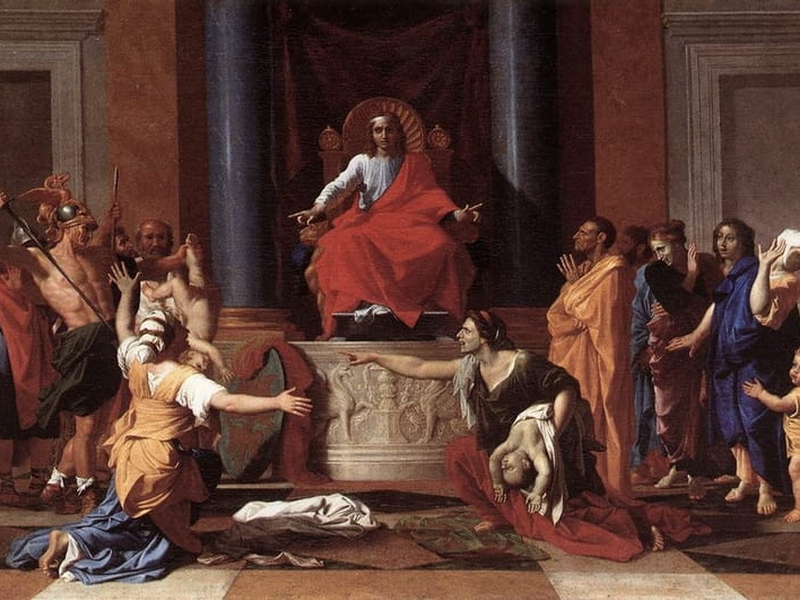
Political Hermeneutics: The Argument from Silence, Part 1

If the debate over Operation Rescue has proven anything, it has proven that there is absolutely no consensus among evangelicals in general, or among "reconstructionists" in particular, about how to use the Bible to judge political actions and movements. Each side of the debate claims biblical authority for its position,…

by Peter LeithartFebruary 13, 1990
49980-nicolas_poussin_-_the_judgment_of_solomon_-_wga18330-800w-tn
Biblical Studies

Advice From a Sojourner, Part 4

Two things I asked of Thee, Do not refuse me before I die: Keep deception and words of falsehood far from me, Give me neither poverty nor riches, Feed me with the food that it my portion, Lest I be full and deny Thee, And say, "Who is the LORD?"…

by James B. JordanFebruary 2, 1990
image-2
Biblical Horizons

Foucault’s Pendulum

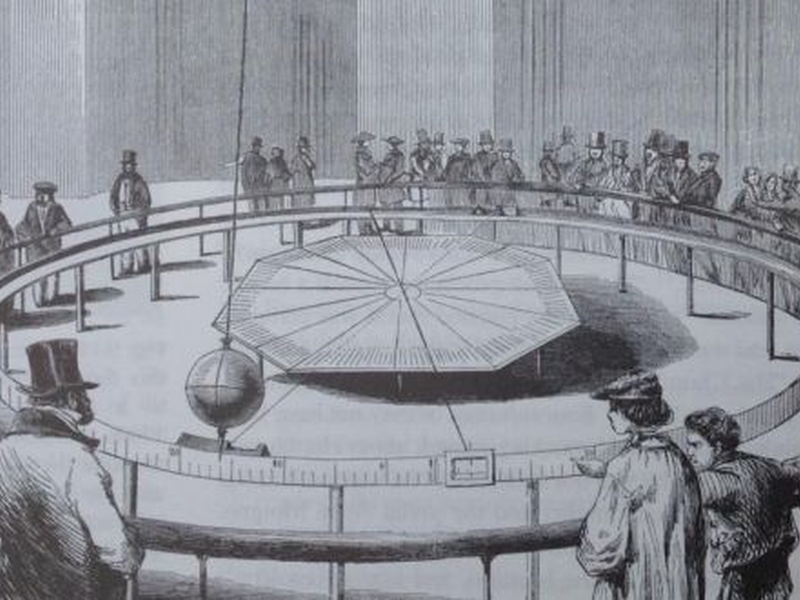
Umberto Eco’s "The Name of the Rose" was certainly one of the best literary works of the past decade, though the film version hardly measured up to it. Now Eco has given us a new novel, "Foucault’s Pendulum." Like Rose, Foucault’s Pendulum reflects on the limitations of human knowledge, and…

by James B. JordanJanuary 26, 1990
tanner-mardis-xuxghzhibn4-unsplash-1-2
Biblical Studies

What Is “Interpretive Maximalism”?

From time to time people ask me about "interpretive maximalism." They want to know what it is, and sometimes want to know if it represents some departure from the Reformed grammatico-historical, Biblico-theological approach to the Bible. I have something of a problem with these questions, because "interpretive maximalism" is not…

by James B. JordanJanuary 26, 1990

Showing page 305 of 309

See all

Showing page 18 of 43

See all

Tangled

E mma Tarlo's recent Entangled is a study of the global market in human hair. In a TLS review , Kathryn Hughes describes a “multi-billion-dollar global hair market.” Tarlo explores “the processes by which the greasy hairballs unpicked in Mandalay get refashioned into ‘frothy toppers' and ‘dome bowlers' in New…

December 2, 2016

Stop!

“S cott Alexander” (a pseudonym) applies some common sense the media characterization of Trump as an “openly racist” candidate dedicated to courting the KKK. He estimates, for instance, that there are 3-5000 Klansman in the US. Over the course of the campaign, he estimates that at least 14,000 articles were…

December 2, 2016

Three Forms of Madness

I n an editorial introduction to King Lear , GK Hunter observes that the play depicts three forms of madness. First, “The Fool has a quality of savage innocence that the other two lack. . . . His stock consists in the main of songs and riddles, nonsense-rhymes and a…

December 2, 2016

Slapstick Tragedy

A lexander Leggatt ( King Lear ) captures the oddity of King Lear by calling attention to the blunt physicality of the play: “The tortured body is a recurring image. . . . According to J.I.M. Stewart, ‘The blinding of Gloucester represents a sort of crystallizing of this element of…

December 2, 2016

Structure and Theme in Lear

N ote #1: Act 1, scene 2 of King Lear , which initiates Edmund's plots against father Gloucester and brother Edgar, is structured chiastically: A. Edmund's first soliloquy. B. Edmund with Gloucester, accusing Edgar. C. Edmund's second soliloquy. B'. Edmund with Edgar, sowing suspicion that Gloucester is suspicious of Edgar.…

December 2, 2016

Freak of History

Diarmaid MacCulloch starts his study of the Reformation, All Things Made New , with a sketch of the medieval world. It's a bit rosy, emphasizing the unity of medieval Europe: “The most noticeable characteristic of Western Europe in what we call the Middle Ages was its cultural and religious unity…

December 2, 2016

Showing page 227 of 2212

Browse by Category

In Medias Res

Your weekly digest for all things Theopolis.

Donate

Theopolis is nearly 100% donor-supported. Consider joining us on our mission.