Theopolis Logo

Writing

Explore our collection of theological essays, biblical studies, and reflections on faith and culture.

See all
paul-2
Romans

Notes on Scary Stuff in Romans 9

What shall we say then? Is there injustice on God’s part? By no means! For he says to Moses, “I will have mercy on whom I have mercy, and I will have compassion on whom I have compassion.” So then it depends not on human will or exertion, but on…

by Mark HorneFebruary 5, 2015
lunch-counter
American Politics

Covenants of Exclusion

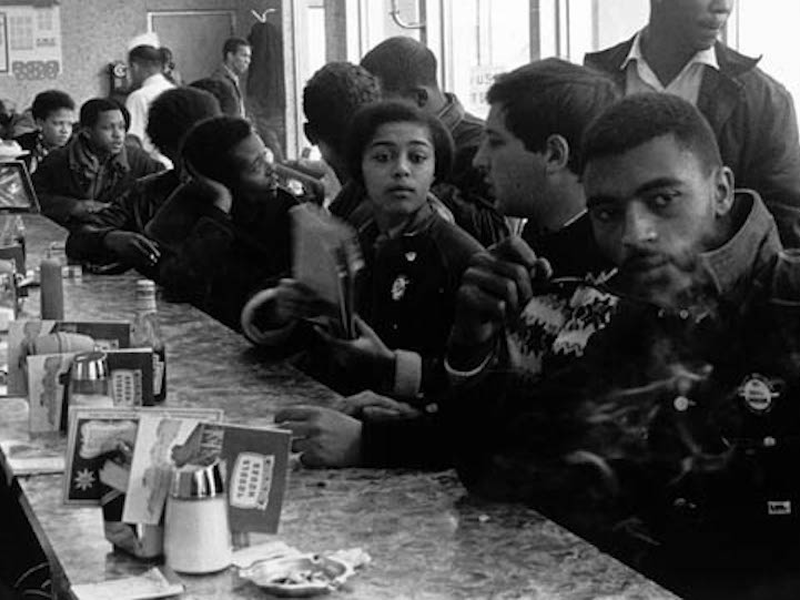
A hundred years ago, William Warley signed a contract to buy a house in Louisville, Kentucky from Charles Buchanan, a white man. Before closing the sale, Warley, who was black, learned that the lot was subject to a city ordinance barring blacks from occupying the premises if most of the…

by Brendan O'DonnellFebruary 3, 2015
shakespeare-2
Literature

The Bard and the Book

I concluded the first essay on this topic by saying that I would introduce three books about Shakespeare and the Bible, but I decided to introduce four instead. The three books become four are: Naseeb Shaheen, Biblical References in Shakespeare’s Plays (London: Associated University Presses, 1999) ; Hannibal Hamlin, The…

by Ralph Allan SmithJanuary 29, 2015
augustine-2
Augustine

Augustine on Pagan Virtue

My children attend a classical Christian school, situated in the independent “free church” evangelical tradition. Over the past few years they have been growing in their acquaintance with the world of Homer, Plato, Virgil, and Livy. They enjoy it, and I envy it. The school is a great school. My…

by Gerald HiestandJanuary 27, 2015
prodigal-son
Atonement

The Prodigal and the Cross

The Prodigal Son parable (Luke 15) has been a favorite of liberal theologians for a couple of centuries. It seems to be a parable designed for liberal sensibilities: An indulgent, accepting Father; forgiveness extended without a cross; a surly older brother who might represent the "conservative" face of religion who…

by Peter LeithartJanuary 22, 2015
sky-from-bridge
Ascension

Underground Man, Ascended Man

“I want now to tell you, gentlemen, whether you care to hear it or not, why I could not even become an insect. I tell you solemnly, that I have many times tried to become an insect. But I was not equal even to that. I swear, gentlemen, that to…

by Richard BledsoeJanuary 20, 2015

Showing page 161 of 309

See all

Showing page 19 of 43

See all
Shakespeare

The Trap of Law

M arjorie Garber ( Shakespeare After All , 300–2) nicely captures the Pauline resonances of the trial scene in Merchant of Venice : “Shylock will provide a scale to weigh the pound of flesh, but not a surgeon to staunch the wound. He will, that is, provide the emblem of…

October 21, 2016

2 + 2 = Apples

I n a 1911 article on “The Ant Colony as Organism,” William Morton Wheeler argued that an ant colony was not only organism-like but an actual organism: “Like a cell or the person, it behaves as a unitary whole, maintaining its identity in space, resisting dissolution...neither a thing nor a…

October 21, 2016

Under Which Altar?

I an Boxall gets a lot right in his commentary on Revelation 6:9–11 (in his excellent The Revelation of Saint John , 113). He knows that the blood of a purification offering is poured out at the base of the altar, the very position where the souls of the martyrs…

October 21, 2016

View from Patmos

W riting in 1888, J. Theodore Bent described a visit to Patmos, during which he read the Apocalypse. One day, he recounted, “I stood by the sea looking south-west, I distinctly saw Thera, as it was anciently called, rising out of the sea. This island is now also called Thera…

October 21, 2016

Sons of the Right Hand

Bede ( Latin Commentaries on Revelation , 133-5) interprets the list of Israel's tribes in Revelation 7 by etymologizing the names. The list forms a sequence, from Judah to Benjamin. Judah means “confession or praise” and is placed first because “before the beginning of confession, no one attains the heights…

October 21, 2016

Notes on Usury

V iolent malice can be directed against God, the self, and the neighbor, Virgil tells Dante ( Inferno 11) as they huddle under the lid of one of the tombs in the sixth circle of hell. Virgil takes a moment to explain the moral theology that organizes hell. He explicates…

October 20, 2016

Showing page 241 of 2212

Browse by Category

In Medias Res

Your weekly digest for all things Theopolis.

Donate

Theopolis is nearly 100% donor-supported. Consider joining us on our mission.