Theopolis Logo

Writing

Explore our collection of theological essays, biblical studies, and reflections on faith and culture.

See all
little-girl
Children

Honor God With Your Body

I am making a new rule in our house! We are actually kind of skimpy on the house rules. I try very hard to keep things simple: love God, love others, be joyful. It’s not complicated to avoid discipline here. But I have found myself repeating this new rule over…

by Lindsey TollefsonApril 9, 2015

giotto-noli-me-3
John

The Gardener and the Beloved, (Part 3)

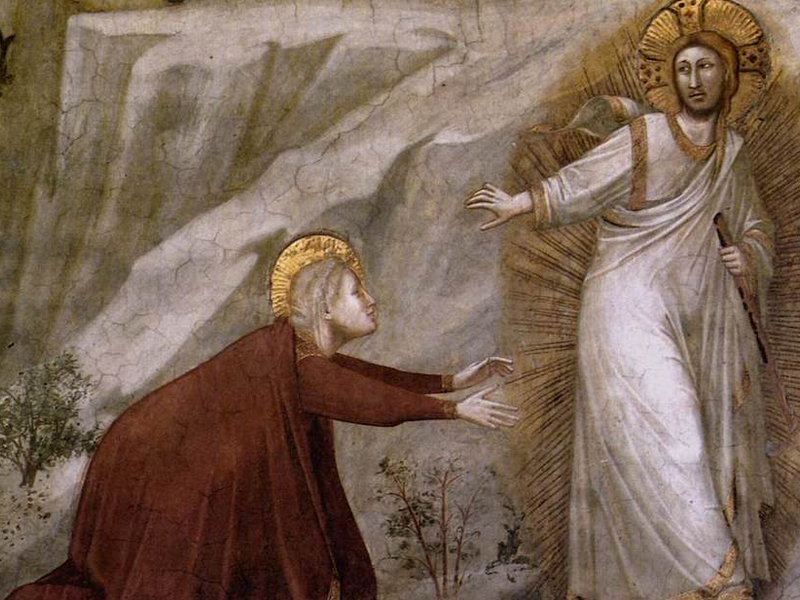
Click HERE for Part 2 The voice of Jesus transforms and changes Mary when she hears him speak her name. This is her last “turning.” So also the woman in the Song of Songs longs to hear the voice of her beloved. Let me see your face, let me hear…

by Jeff MeyersApril 6, 2015
giotto-noli-me-2
John

The Gardener and the Beloved, (Part 2)

Click HERE for Part 1. The details of this story call the attentive reader back to the drama of Solomon’s Song of Songs. And the Song of Song’s alludes to, ties us into the story of Adam and Eve in the Garden and the promise of a coming Messiah that…

by Jeff MeyersApril 4, 2015
easter-term-2015-2
Theopolis News

Easter Term, 2015

“The course was a paradigm shift for me,” said Jonathan Sedlak, a Milwaukee electrical contractor who attended Theopolis’s course on Revelation. “I am left with a book that is far more practical than it has ever seemed before.” Jonathan Anderson of Louisville, Kentucky found the course “refreshing.” “I finished with…

by TheopolisApril 2, 2015
psalm-singing
Genesis

Worship as Response: Liturgical Logic, (Part 1)

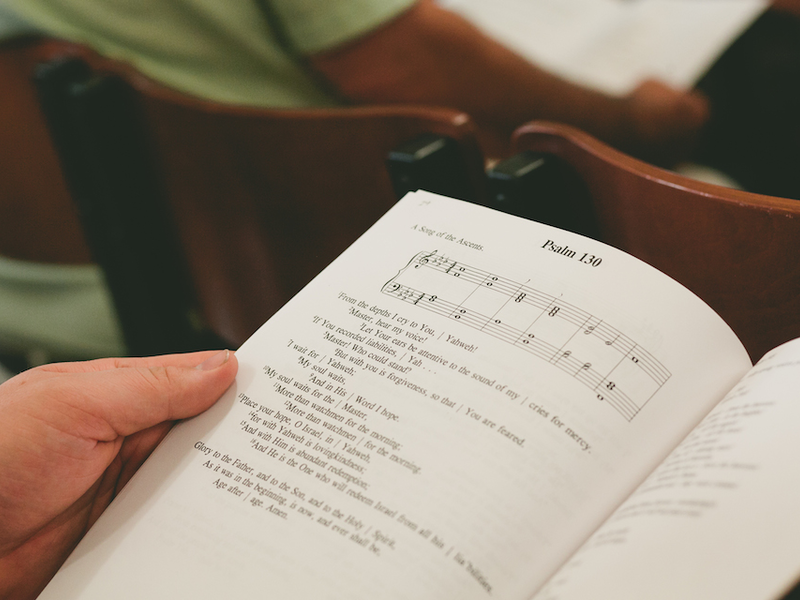
“It is only by participation in a rational, practice-based community that one becomes rational.” – Alasdair MacIntyre It may be perfectly clear to a chef why adding unsifted powdered sugar to a hot frosting is a bad idea. But for an amateur cook, this may be the kind of rule…

by Jonathan BarlowApril 2, 2015
giotto-noli-me
John

The Gardener and the Beloved, (Part 1)

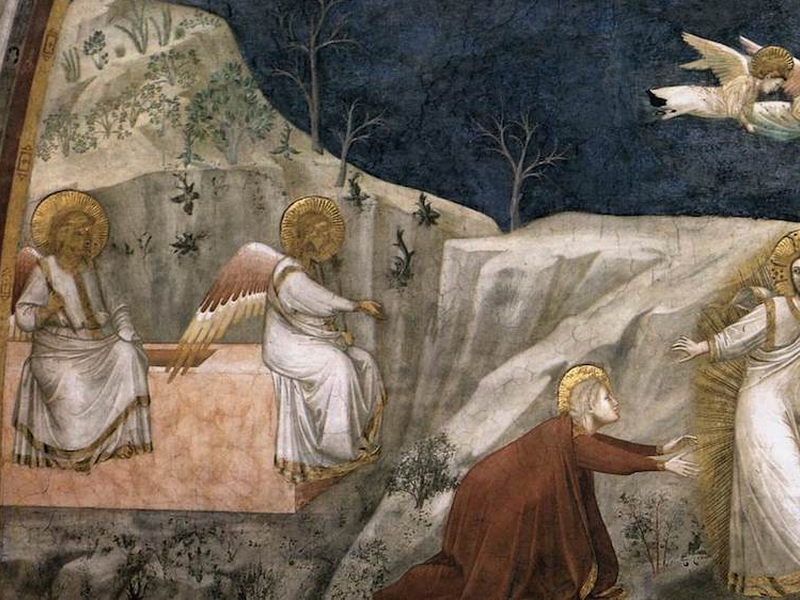
On a fresco in a chapel in Padua, Italy, there is a famous painting depicting the dramatic post-resurrection scene in John 20 with Mary and Jesus outside of the garden tomb. Giotto di Bondone painted it in the early 14th century. Jesus is striding from the tomb with a victor’s…

by Jeff MeyersApril 1, 2015

Showing page 156 of 309

See all
See all
History

Between Burckhardt and Baynes

H.A. Drake’s Constantine and the Bishops: The Politics of Intolerance (Ancient Society and History) is a remarkable piece of work. One of his opening moves is to show how, despite clear and overt differences, both Burckhardt’s pure-political Constantine and Baynes’s sincere-Christian Constantine share common assumptions about politics and religion. He…

May 27, 2009

Blessed are the poor

Niebuhr has this nice harmonization of the Matthean and Lukan beatitude to the poor: “Both versions are necessary to catch the full flavor of the beatitude. For the Lukan version alone would make poverty a guarantee of virtue, particularly of the virtue of humility, which it is not. The Matthean…

May 27, 2009
Theology

Christian irony

Niebuhr claims that irony is inherent in the Christian view of history: Christianity’s “interpretation of the nature of evil in human history is consistently ironic. This consistency is achieved on the basis of the belief that the whole drama of human history is under the scrutiny of a divine judge…

May 27, 2009
History

American idealism

Niebuhr ( Irony ) quotes an unnamed European statesman who expresses gratitude for America’s help in resisting tyranny, but fear “that we might become an American ally.” America’s idealism doesn’t reassure him: “The idealism does indeed prevent America from a gross abuse of its power. But it might well accentuate…

May 26, 2009
History

Having and Being Empire

Charles Maier’s comparative study Among Empires: American Ascendancy and Its Predecessors reaches the waffly but accurate conclusion that the “United States reveals many, but not all - at least not yet - of the traits that distinguished empires.” Early on, he makes the helpful distinction between “being” and “having” an…

May 26, 2009
Uncategorized

Demoting the Emperor

Van Dam ( Roman Revolution of Constantine ) suggests that Eusebius’s Life was simultaneously a political tract celebrating the elevation of a Christian emperor and a theological apology promoting Eusebius’s Christological subordinationism. The afterlife of Eusebius’s treatise, though, put the emperors in their place. Rufinus’s translation/paraphrase of Eusebius’s Church History…

May 26, 2009

Showing page 1377 of 2212

Browse by Category

In Medias Res

Your weekly digest for all things Theopolis.

Donate

Theopolis is nearly 100% donor-supported. Consider joining us on our mission.