Theopolis Logo

Writing

Explore our collection of theological essays, biblical studies, and reflections on faith and culture.

See all
or
Abortion

Political Hermeneutics: The Argument From Silence, Part 2

Click HERE for part 1. III This leads to a further question. I have argued that silence cannot by itself establish a Scriptural principle, but does Scripture’s silence carry any weight in itself? Does the fact that something is unbiblical in a weak sense tell us anything at all? In…

by Peter LeithartMarch 13, 1990

hebrew-manuscript-6
Biblical Chronology

Groping Through the Gaps

Although nowadays gap theories are associated with dispensationalism, it was not always so. In the nineteenth century, scholars from a variety of backgrounds (Anglican, Reformed, and proto-fundamentalist) seem to have become fascinated by gaps. If you are not familiar with what I am talking about, this newsletter will acquaint you…

by James B. JordanFebruary 26, 1990
or
Abortion

Political Hermeneutics: The Argument from Silence, Part 1

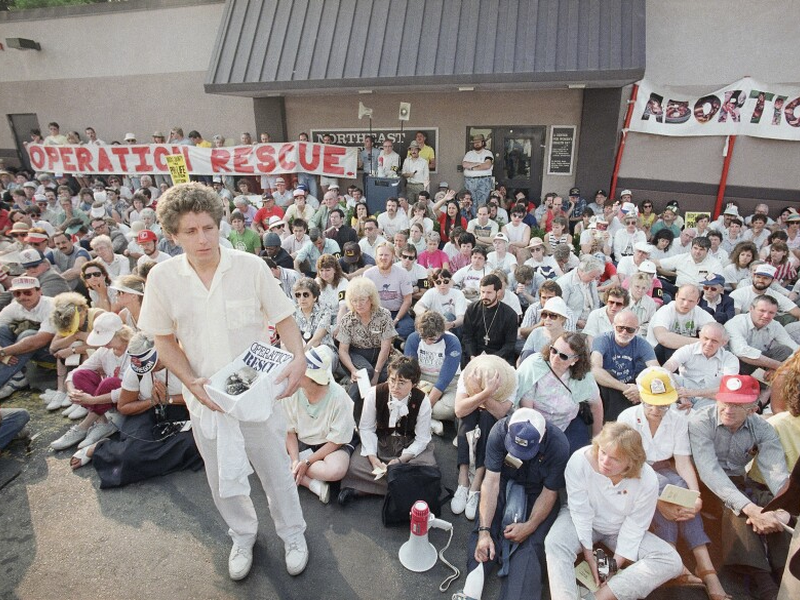
If the debate over Operation Rescue has proven anything, it has proven that there is absolutely no consensus among evangelicals in general, or among "reconstructionists" in particular, about how to use the Bible to judge political actions and movements. Each side of the debate claims biblical authority for its position,…

by Peter LeithartFebruary 13, 1990
49980-nicolas_poussin_-_the_judgment_of_solomon_-_wga18330-800w-tn
Biblical Studies

Advice From a Sojourner, Part 4

Two things I asked of Thee, Do not refuse me before I die: Keep deception and words of falsehood far from me, Give me neither poverty nor riches, Feed me with the food that it my portion, Lest I be full and deny Thee, And say, "Who is the LORD?"…

by James B. JordanFebruary 2, 1990
image-2
Biblical Horizons

Foucault’s Pendulum

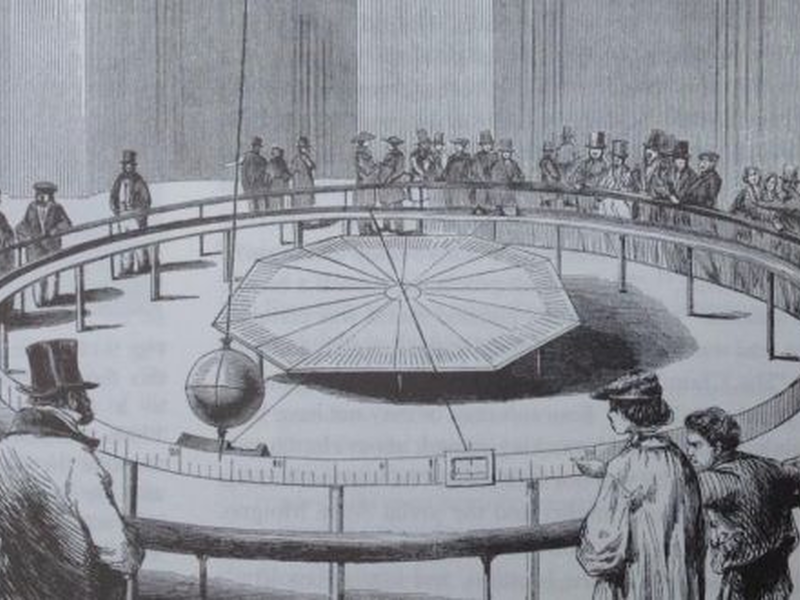
Umberto Eco’s "The Name of the Rose" was certainly one of the best literary works of the past decade, though the film version hardly measured up to it. Now Eco has given us a new novel, "Foucault’s Pendulum." Like Rose, Foucault’s Pendulum reflects on the limitations of human knowledge, and…

by James B. JordanJanuary 26, 1990
tanner-mardis-xuxghzhibn4-unsplash-1-2
Biblical Studies

What Is “Interpretive Maximalism”?

From time to time people ask me about "interpretive maximalism." They want to know what it is, and sometimes want to know if it represents some departure from the Reformed grammatico-historical, Biblico-theological approach to the Bible. I have something of a problem with these questions, because "interpretive maximalism" is not…

by James B. JordanJanuary 26, 1990

Showing page 305 of 309

See all
See all
Theology

False humility

Milbank charges that modern theology is characterized by false humility. Barth agreed with respect to Christology. In the name of a humble refusal to penetrate the veil of mystery around the incarnation, modern theologians have often renounced “beforehand all serious and responsible inquiry for the truth and every attempt to…

November 27, 2008

Cheers for scholasticism

Barth ( CD 1.2) defends the church father’s from Herder’s charges of intellectualism and scholasticism. He sees two objections in Herder’s complaint: a “formal” objection to the meticulousness of patristic Christology, and a “material” objection that the fathers’ categories, especially that of “nature,” turned the incarnation and salvation into a…

November 27, 2008
History

Abortion and future history

When we read that ancient tyrants hired magicians to perform haruspicy with the entrails of dismembered infants, we immediately discount the record as propaganda. We know without needing to investigate that similar accusations against Jews in the Middle Ages had become a topos of anti-religious rhetoric. I’m not saying we…

November 27, 2008

Siloam

Siloam was a pool (John 9), but Siloam also had a towner (Luke 13:4). That enhances the Edenic setting of the story of the man born blind in John 9. He is not only sent to wash in the water, he is sent to wash in the water by the…

November 27, 2008
Theology

Fear and trembling

Hamann suggests that the fear of God is what energizes: “When one considers how much strength, presence of mind, and speed, off which we are otherwise incapable, the fear of an extraordinary danger inspires in us: then one can understand why a Christian is so superior to the natural, secure…

November 26, 2008

Natural theology

Hamann hoped for a natural theology that would lead not to “the God of naked reason” but to “the God of Holy Scripture, who would show us that all [nature’s] treasures are nothing but an allegory, a mythological painting of heavenly systems - just as all historical events are the…

November 26, 2008

Showing page 1444 of 2212

Browse by Category

In Medias Res

Your weekly digest for all things Theopolis.

Donate

Theopolis is nearly 100% donor-supported. Consider joining us on our mission.