Theopolis Logo

Writing

Explore our collection of theological essays, biblical studies, and reflections on faith and culture.

See all
img_5862
Culture

Birmingham Life and Culture Series

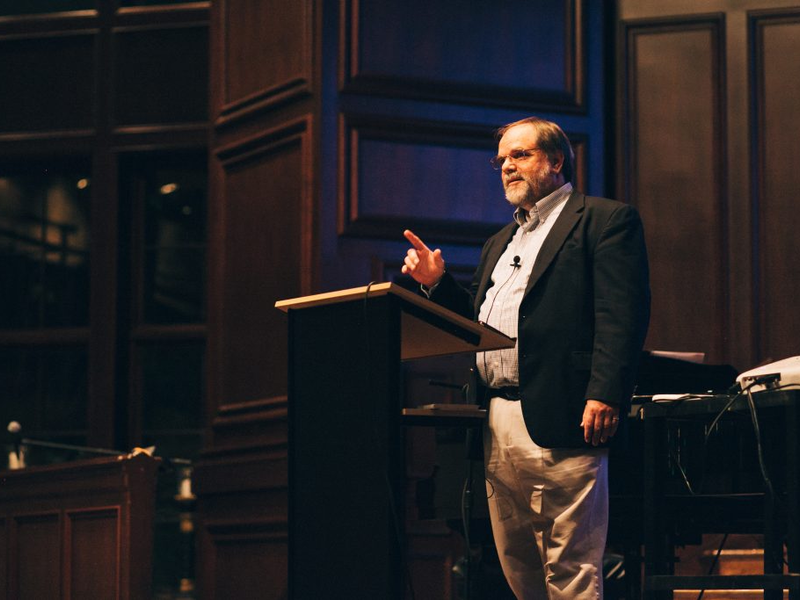
There’s something about joy that is infectious. And occasionally, we all have the opportunity to be in someone’s presence who is so happily engaged in their work, so joyous in their pursuits, that we want to learn from them. We want to know where that joy comes from and attain…

by Brian MoatsOctober 23, 2015
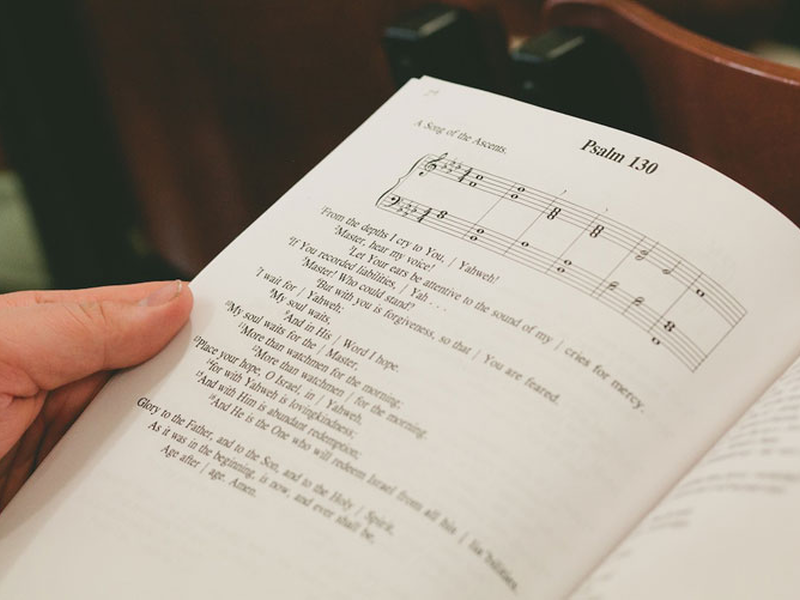
img_6077
How to Worship

How To Change the World, (Part 1)

Jesus has told us that He intends all nations to be discipled. Nations. Not just individuals. All nations as theocracies. That being the case, the Church exists for the life of the world. Being baptized is not only a matter of becoming part of a new family, it is also…

by James B. JordanOctober 22, 2015
branagh-macbeth
Literature

Adam, Saul, Macbeth

Harold Bloom’s essay on Macbeth includes the kind of penetrating insights that make Bloom the great Shakespearean scholar that he is, but it also includes his typical and intense anti-Christian bias. “If Lear was pre-Christian, then Macbeth is weirdly post-Christian. There are, as we have seen, Christian intimations that haunt…

by Ralph Allan SmithOctober 20, 2015
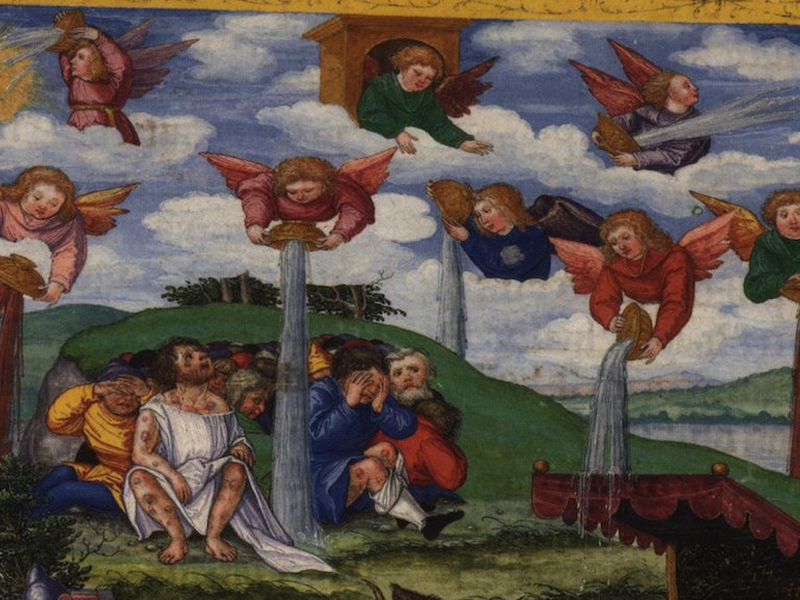
bowls
Revelation

Inverted Atonement

Revelation 16 is a day of atonement text. The tabernacle of the testimony has been opened (15:5). The angels who receive the bowls are clothed in linen (15:6), the clothing of the high priest when he goes into the sanctuary on the day of atonement (Leviticus 16:4). The temple is…

by Peter LeithartOctober 15, 2015
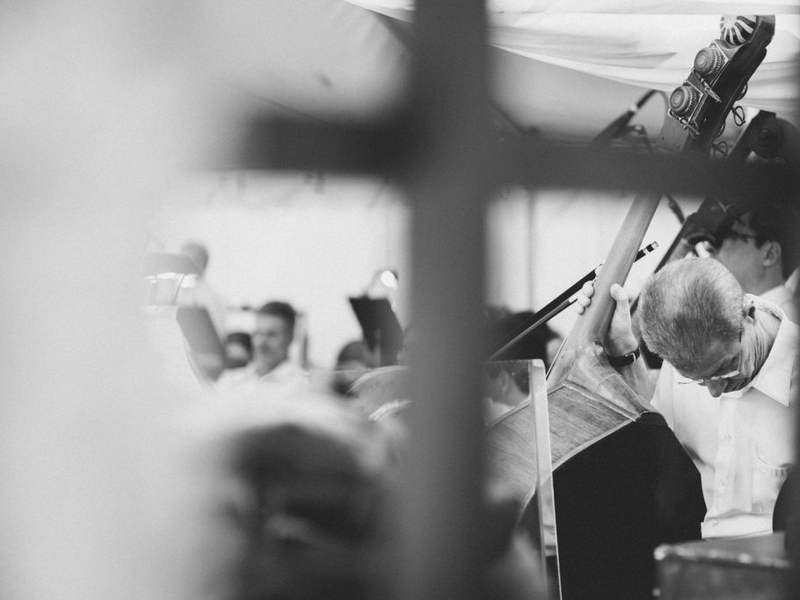
img_9025
Biblical Studies

Music and Hermeneutics

From time to time, when I’ve lectured on how to read the Bible, I’ve used art-music as one example thereof. When we listen to a simple folk song, we hear the same melody over and over again, but this is not how composers write "high" music. Let me amplify. A…

by James B. JordanOctober 13, 2015
schlanger_jonah_prison_090913_620px
Biblical Studies

In the Fish: The Church as Tomb

"For just as Jonah was three days and three nights in the belly of the sea-monster, so will the Son of Man be three days and three nights in the heart of the earth" (Matthew 12:40). Some reflections on Jonah’s Big Fish have led to the following essay. Let me…

by James B. JordanOctober 8, 2015

Showing page 142 of 309

See all
See all
Uncategorized

Augustine, Secularist?

O’Donovan makes the point, against Markus, that Augustine does not describe the earthly city as a combination of private ends and public or common utility. This would be a secular system, which leaves ends to individual citizens as they make use of common goods. O’Donovan says Augustine does something like…

February 28, 2008

Analogia Entis

Von Balthasar again: Creation is God’s free decision. There need not be a world. “But if he decides to create a world, then of course this decision can only take the form of the analogy of being, which is grounded in God’s very ‘essence’ itself. Created being must be by…

February 27, 2008

Revelation and nature

Von Balthasar says that grace presupposes a nature that is free from revelation: “If there is to be revelation, then it can only proceed from God to a creature - to a creature that precisely as a creature does not include revelation in its conceptual range.” Van Til is much…

February 27, 2008

Servant and friend

Von Balthasar puts the nature/grace distinction in simple terms, and ones that resonate with certain strains of Reformed theology: “It belongs to the very essence of the creature that it must indeed be creature, but not a creature who has been exalted to a new order of grace: by nature…

February 27, 2008

Gratuity and creatureliness

Rahner says that God’s self-gift “can and must” be an “ever astounding wonder, the unexpected, the unexacted gift.” In an extended footnote, he explains that this “can and must” means both that God’s self-communication is in fact unexacted, and that it must be of necessity . On the latter point:…

February 27, 2008

Self-communication

Rahner re-describes the nature/grace problem in terms of God’s self-communicating love, which is the final cause of creation and the first intention of God: “Everything else exists so that this one thing might be: the eternal miracle of infinite Love.” (Good Edwardsian supralapsarian, he.) But for Rahner, as for every…

February 27, 2008

Showing page 1560 of 2212

Browse by Category

In Medias Res

Your weekly digest for all things Theopolis.

Donate

Theopolis is nearly 100% donor-supported. Consider joining us on our mission.