Theopolis Logo

Writing

Explore our collection of theological essays, biblical studies, and reflections on faith and culture.

See all
or
Abortion

Political Hermeneutics: The Argument From Silence, Part 2

Click HERE for part 1. III This leads to a further question. I have argued that silence cannot by itself establish a Scriptural principle, but does Scripture’s silence carry any weight in itself? Does the fact that something is unbiblical in a weak sense tell us anything at all? In…

by Peter LeithartMarch 13, 1990

hebrew-manuscript-6
Biblical Chronology

Groping Through the Gaps

Although nowadays gap theories are associated with dispensationalism, it was not always so. In the nineteenth century, scholars from a variety of backgrounds (Anglican, Reformed, and proto-fundamentalist) seem to have become fascinated by gaps. If you are not familiar with what I am talking about, this newsletter will acquaint you…

by James B. JordanFebruary 26, 1990
or
Abortion

Political Hermeneutics: The Argument from Silence, Part 1

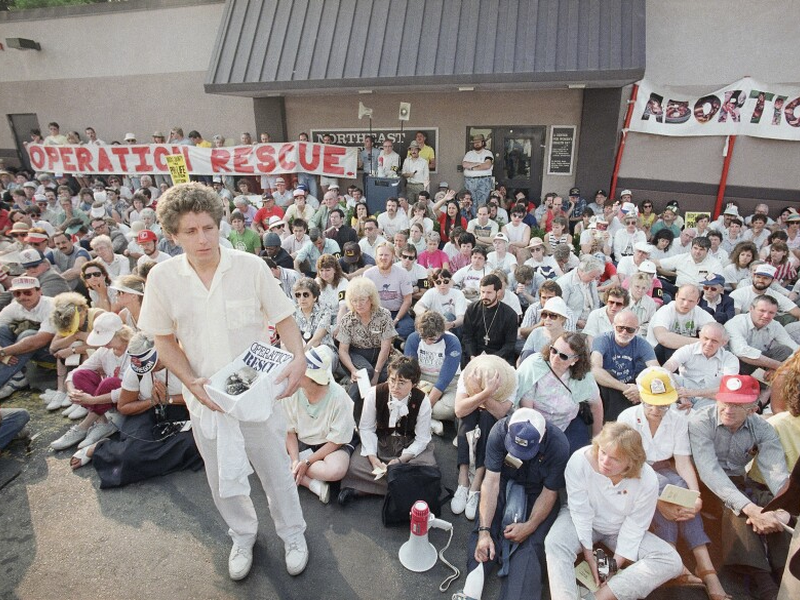
If the debate over Operation Rescue has proven anything, it has proven that there is absolutely no consensus among evangelicals in general, or among "reconstructionists" in particular, about how to use the Bible to judge political actions and movements. Each side of the debate claims biblical authority for its position,…

by Peter LeithartFebruary 13, 1990
49980-nicolas_poussin_-_the_judgment_of_solomon_-_wga18330-800w-tn
Biblical Studies

Advice From a Sojourner, Part 4

Two things I asked of Thee, Do not refuse me before I die: Keep deception and words of falsehood far from me, Give me neither poverty nor riches, Feed me with the food that it my portion, Lest I be full and deny Thee, And say, "Who is the LORD?"…

by James B. JordanFebruary 2, 1990
image-2
Biblical Horizons

Foucault’s Pendulum

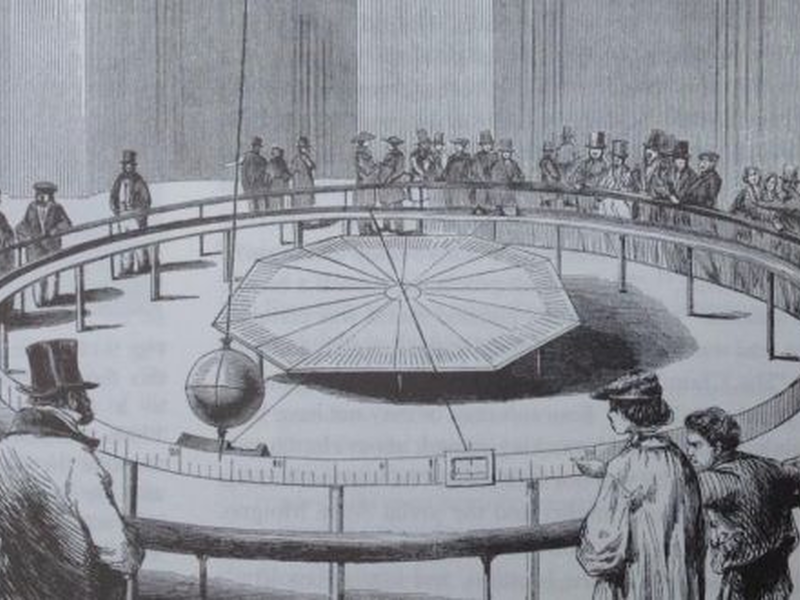
Umberto Eco’s "The Name of the Rose" was certainly one of the best literary works of the past decade, though the film version hardly measured up to it. Now Eco has given us a new novel, "Foucault’s Pendulum." Like Rose, Foucault’s Pendulum reflects on the limitations of human knowledge, and…

by James B. JordanJanuary 26, 1990
tanner-mardis-xuxghzhibn4-unsplash-1-2
Biblical Studies

What Is “Interpretive Maximalism”?

From time to time people ask me about "interpretive maximalism." They want to know what it is, and sometimes want to know if it represents some departure from the Reformed grammatico-historical, Biblico-theological approach to the Bible. I have something of a problem with these questions, because "interpretive maximalism" is not…

by James B. JordanJanuary 26, 1990

Showing page 305 of 309

See all
See all
Literature

Arden and Orlando

Margaret Garber points out that Arden, the name of the forest in As You Like It , is also the maiden name of Shakespeare’s mother, “so it is arguable that some nostalgia for childhood would double the geographical place with a psychological, or at least a remembered, place of ideal…

February 21, 2008

Reno on Nature/Grace

Rusty Reno’s discussion of nature and grace ( The Ordinary Transformed ) is not so satisfying as Jenson’s. Reno says that theology’s challenge is to explain the real relationship between nature and grace without detaching them or conflating them. Too intimate a relationship “implies a partnership between the ordinary and…

February 21, 2008

Jenson on Nature/Grace

In the second volume of his systematic theology, Robert Jenson summarizes and critiques de Lubac’s theology of nature and grace. He agrees with de Lubac’s conclusion that the supernatural is not owed to nature because “the reverse in the case.” Quoting de lubac: “Nature . . . owes itself to…

February 21, 2008
Literature

Shakespearean letters

Ward quotes Rosalind’s line, “Say a day, without the ever,” and asks, “Did Shakespeare know he had used all five vowels, and with such symmetrical elegance that the first two, appearing three times each, neatly surround the remaining three in correct order within: a-a-a-i-o-u-e-e-e?” He suspects not, but then observes…

February 20, 2008
Literature

Primal Eldest Curse

AL Rowse counted some 25 references to the Cain and Abel story in Shakespeare’s plays. As You Like It has two - Duke Senior and Frederick, Oliver and Orlando. And there’s Hamlet Sr and Claudius, Edgar and Edmund, Prospero and his usurping brother. Not to mention all the brother-like rivalries…

February 20, 2008
Literature

Exiled to Eden

In his introduction to As You Like It , John Powell Ward free associates on the Forest of Arden, to good effect: “Arden, garden, Garden of Eden (and Adam), ardent, Mary Arden, Arden in Warwickshire, the Ardennes in France - there are many leads into what is suggested. Despite the…

February 20, 2008

Showing page 1565 of 2212

Browse by Category

In Medias Res

Your weekly digest for all things Theopolis.

Donate

Theopolis is nearly 100% donor-supported. Consider joining us on our mission.