Theopolis Logo

Writing

Explore our collection of theological essays, biblical studies, and reflections on faith and culture.

See all
img_4660-2
Sacramental Theology

The Gospel According to the Sacraments, (Part 1)

My first title for this series of posts was “Evangelical Sacramental Ecumenism” – not exactly a clickbait title. But those three words, evangelical, sacramental, and ecumenical, say a lot: The centrality of the gospel; a focus on baptism, bread, and wine; and the quest for visible unity among diverse churches.…

by Michael SpalioneDecember 12, 2017

e99a2313
Baptism

Baptism and Contextualization, (Part 1)

I can imagine someone reading the title of this essay and saying to himself, "I have two questions. First, what in the world is “contextualization”?" Second, even before hearing the answer to the first question, he may wonder, "what does baptism have to do with such an awkward and vague…

by Ralph Allan SmithDecember 7, 2017
sixteen-miles-out-al48tflf4e8-unsplash
Deuteronomy

Law of the Rebellious Son

Deuteronomy 21:18-21 My colleague Ralph Smith has recently written on this passage, here . I entirely agree with Ralph's thrust, which is typological, that the passage is ultimately aimed at the entire nation of Israel itself as the rebellious son. But what I am thinking is from another perspective, perhaps…

by Richard BledsoeDecember 5, 2017
e99a2313
Baptism

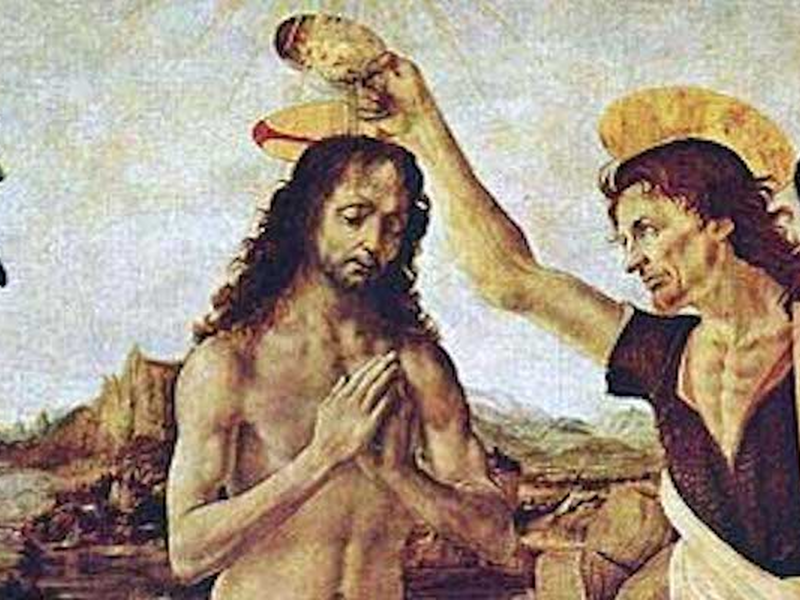
Like A Dove (Part 2)

In the previous article in this series, I drew attention to the threefold meaning of the Spirit of God descending as a dove on Jesus at His baptism. On a related note, I also argued that 1 Corinthians 6:9-11 and Titus 3:3-7 were parallel passages that addressed the same issues…

by Ralph Allan SmithNovember 30, 2017
colin-1
Politics

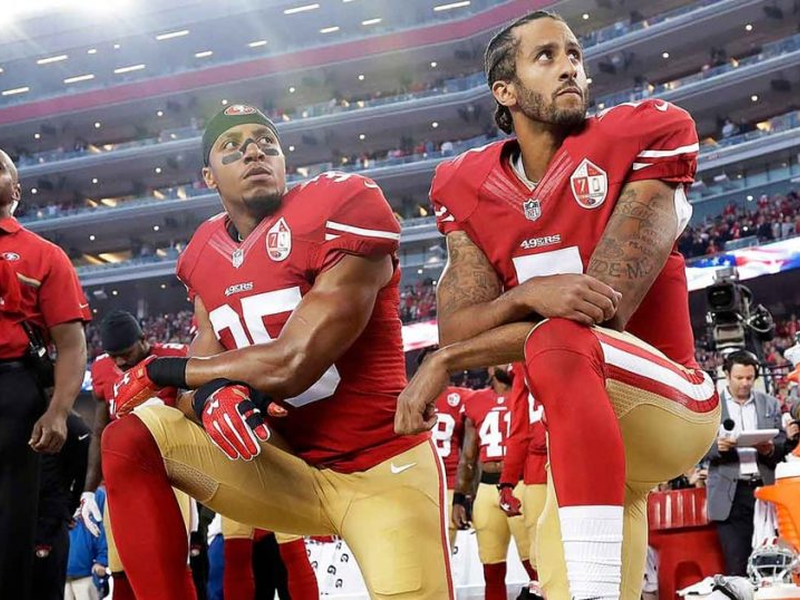
What’s in a Flag?

The National Anthem protest is misguided. So too the conservative backlash. The Church’s response has been disappointing. I address each in turn. The greatest triumph of the American Civil Rights Movement was its seizing of the moral high ground in American politics. It did so by insisting only on those…

by A. K. ShaukuNovember 28, 2017
baptism-of-christ
Baptism

Like a Dove

Peter Leithart’s book, The Priesthood of the Plebs: A Theology of Baptism , argues that baptism is parallel to and the fulfillment of the old covenant rite of priestly ordination. But this is not something explicitly stated in the New Testament. Why, then, should we believe it? Leithart shows in…

by Ralph Allan SmithNovember 23, 2017

Showing page 102 of 309

See all
See all

You shall know them by their fear

Stott notes that 1 John 4:19 indicates that the church’s great characteristic is love, not fear. That is, it should be. Is it? Hardly. Read the next piece of direct mail you get from a Christian advocacy group. Look at the listings in a Christian book catalogue or bookstore. Analyze…

January 20, 2007

Fear and fear

Perfect love casts out fear, John says. But the Bible repeatedly exhorts us to fear God. There’s fear, then there’s fear. How do we tell the difference? The difference is in the direction our fear moves us. Adam feared God, and hid in the garden. Wrong fear drives us away…

January 20, 2007

Kantian modalism?

Post-Kantian thought cannot make room for undistorted revelation of God in history. History, creation, is necessarily a distorting medium. Is this just a form of modalism? Doesn’t this just create an unbridgeable modalist gap between God-in-Himself and God-as-revealed? Isn’t this just saying that God is not what He appears to…

January 20, 2007

God’s body

Time was when you could despise the body and love God, or despise God and love the body. One could be an ascetic or a hedonist. Then God got Himself a body. Despite efforts to retain this choice (Nietzsche, flagellants), the incarnation made the ancient choice of ascetic or hedonist…

January 19, 2007

God’s body

Time was when you could despise the body and love God, or despise God and love the body. One could be an ascetic or a hedonist. Then God got Himself a body. Despite efforts to retain this choice (Nietzsche, flagellants), the incarnation made the ancient choice of ascetic or hedonist…

January 19, 2007

Dionysus and the crucified

Shaftesbury recognized the stark difference between his own rational Deity and the vulgar bodily and crucifiable Christ. Francis Hutcheson, building on Shaftesbury, tried to conflate the two. Hutcheson was a Christian, a Presbyterian professor of moral theology. Shaftesbury loathed Christ. But which of the two was the better friend of…

January 19, 2007

Showing page 1732 of 2212

Browse by Category

In Medias Res

Your weekly digest for all things Theopolis.

Donate

Theopolis is nearly 100% donor-supported. Consider joining us on our mission.