Theopolis Logo

Writing

Explore our collection of theological essays, biblical studies, and reflections on faith and culture.

See all
cloister

Gatekeepers

1 Chronicles 9:1 seems to bring the genealogies of 1 Chronicles to an end. The Chronicler has recorded the genealogy of the human race from Adam, focusing on the descendants of Abraham through Jacob. Summing it all up, he says, “So all Israel was enrolled by genealogies; and behold, they…

by Peter LeithartJune 21, 2016
trinity-1-2
Trinity

Are the Divine Persons Persons?

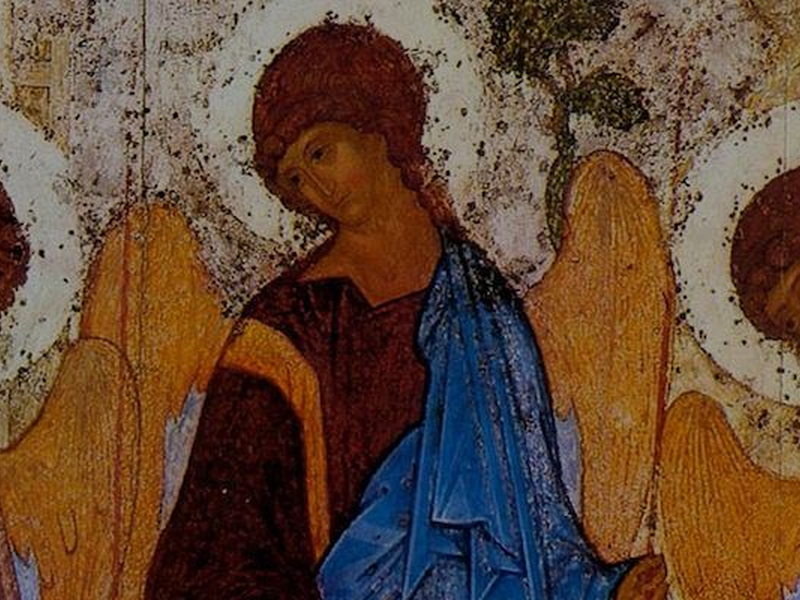
The “personalist” understanding of the Trinity, articulated most influentially in the work of John Zizioulas, has fallen on hard times. Recent scholars have attacked Zizioulas’s idea that Cappadocian Trinitarianism represented an ontological revolution, hammering on the distinction between divine and human personhood. Michel Barnes’s conclusion is the most drastic of…

by Peter LeithartJune 16, 2016
img_4660-2
Architecture

On Biblical Theology

Biblical Theology is often defined as the historical unfolding of God’s revelation, or of God’s revelation and of the history of his covenantal redemption and transformation of humanity and the world. In practice, Biblical Theology is usually broader than this, and also includes the study of literary structure and of…

by James B. JordanJune 14, 2016
laughing_statue_by_xxbobbiie-d5f0meh-2
Humor

Wise Laughter

We are made to be happy. Created to enter into the eternal joy of God, our whole being inclines to that end, but the fallen world has put forth barriers and by our own sin we bar ourselves from that endless delight, and death blinds us to that reality. Yet…

by Remy WilkinsJune 7, 2016
img_7664
Liturgy

Why Theopolis? Take Two

At the end of Revelation, John sees the heavenly city descending to earth. The city shines with the brilliance of God's glory, which lightens the nations, so that kings bring their glory to the city. This is not a vision of the final new heaven and new earth. It's a…

by Peter LeithartJune 2, 2016
trinity-1-2
Attributes of God

How Can We Talk About God?

“No one has ever seen God,” writes John (John 1:18). If this is the case, then how can we speak about God? Some people say we actually cannot. Or at least we cannot speak about God positively, i.e. who He is. We can only say who or what God is…

by Bogumil JarmulakMay 31, 2016

Showing page 130 of 309

See all
See all
Media

Mediated

Instead of continuing to quote de Zengotita until I’ve transcribed the whole book, let me summarize: This is the best anthropology of contemporary culture I’ve ever read. Somewhat reductive - I’m not sure that everything is so shaped by media as de Zengotita suggests. Mostly he makes a very compelling…

December 14, 2006
Media

Predictable surprise

De Zengotita again, commenting on how lame action/sci fi movies have become: “There’s this very specific phase in so many of these films, a phase that’s so marked I bet there’s some insider lingo for it. It’s when the suspenseful set-up phase - which is often pretty good, very atmospheric,…

December 14, 2006
Media

Mediating the Other

De Zengotita notes the paradox of modernity/postmodernity’s affirmation of the Other: “instead of treating the Other as an alien something - threatening in some cases, alluring in others, but in all cases an object , whether of conquest, exploitation, proselytizing, study, or tourism - instead of that, you recognize in…

December 13, 2006

Things

De Zengotita gives this lovely description of his grandfather’s (a surgeon) delight in things: “it was his hands that I remember most of all, the care they extended to everything he touched, one by one, no haste, no waste, to each its due. That much was obvious. But subtler internal…

December 13, 2006
Media

Mediated

Mediated by Thomas de Zengotita (Bloomsbury, 2005) comes highly recommended from Ken Myers. No wonder. This is a very thoughtful book, written with great energy. Every paragraph is quotable, and has the effect of holding up a mirror to the way we live now. For instance, comparing our penchant for…

December 12, 2006
Theology

Boundaries and RO

Hans Boersma offers an extended critique of Radical Orthodoxy in the Fall 2006 issue of Pro Ecclesia. Boersma focuses on the issue of boundaries, arguing that Radical Orthodoxy’s ontology of peace is hostile to boundaries, seeing them as fluctuating and humanly constructed, and that this hostility to boundaries undermined RO’s…

December 12, 2006

Showing page 1753 of 2212

Browse by Category

In Medias Res

Your weekly digest for all things Theopolis.

Donate

Theopolis is nearly 100% donor-supported. Consider joining us on our mission.