Theopolis Logo

Writing

Explore our collection of theological essays, biblical studies, and reflections on faith and culture.

See all
tom-bradley-eoiscqxpmkm-unsplash
Liturgy

The Temple Singers

Who were the company of singers who sang in the Temple built by Solomon? I think many people might answer “the Levitical singers.” That is not correct, because the Levites were not allowed inside the Temple; only the priests were. The Levitical choir and orchestra performed for Yahweh outside the…

by James B. JordanJuly 2, 2015
same-sex-celebrations-2
Homosexuality

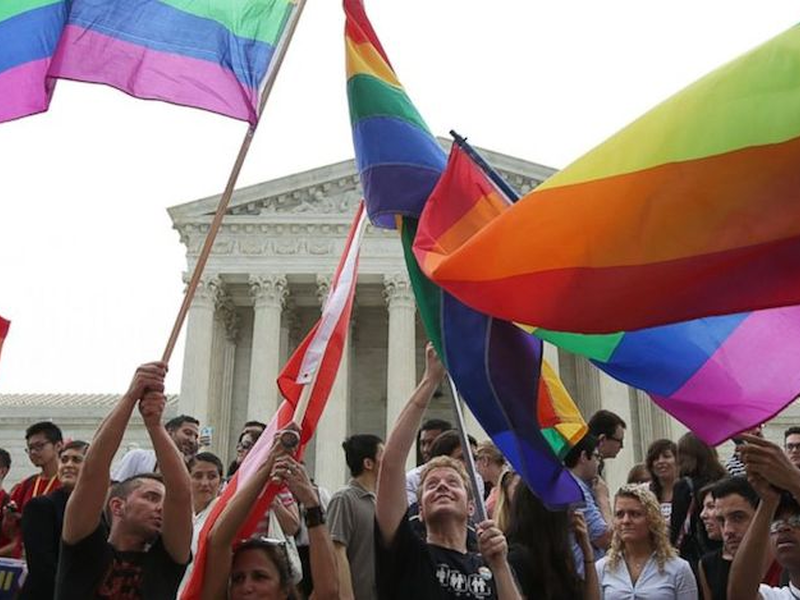
After Obergefell - A Pastoral Letter

Dear Congregation, Social media is awash with rants for and against the ruling from the Supreme Court (SCOTUS) yesterday regarding homosexual marriage ( Obergefell v. Hodges ). My contribution on Facebook was simply to quote relevant sections of the dissents written by the four judges in the minority. Even though…

by Jeff MeyersJuly 1, 2015
egyptian-slaves
Biblical Law

Law and Imagination

After the Civil War, the hobbled nation and fractured races looked about for leadership; animosity was high and envy was crouching at the door. Booker Taliaferro Washington, up from slavery, surveyed the rising tension and injustice, foreseeing civil unrest and chafing inequalities, eschewed, remarkably, a legislative remedy and advised a…

by Remy WilkinsJune 30, 2015
same-sex-celebration
Homosexuality

They Played the Flute for Me - But I Couldn't Dance

The ruling on Obergefell v. Hodges “came down” on Friday morning, June 26, 2015, like a bolt from Zeus. Many who refuse to bow to the dictates of our Olympians will write trenchant legal, theological, and cultural/political analyses of the court’s ruling. What I’m comfortable contributing to the historical record,…

by Jonathan BarlowJune 29, 2015
stonewall
American Culture

After Obergefell

Orthodox Christianity has lost all cultural potency in the U.S. No one defending traditional marriage before the court dared raise the fundamental question: Who creates marriage, God or the state? Theology has no public standing, no persuasive force in the culture at large. Obergefell is another nail in the coffin…

by Peter LeithartJune 27, 2015
photikus-production-mvh_6_yq7uo-unsplash
Poetry

Dust of Snow

One will rarely come upon a classical allusion in a Robert Frost poem. His poetic scheme was to follow the speaking patterns of common folk, to use their words and images to achieve his point. Despite this simplicity, there is a depth and richness to his poetry that can be…

by Remy WilkinsJune 25, 2015

Showing page 150 of 309

See all
See all
History

Smokin’ like a Christian

English fairs in earlier centuries displayed wares and displays from all over the world. At one there was an animal described as “a noble creature, which much resembled a Wild Hairy man” whose main skill was to doff his hat and show “his respects to the Company, and smoaks a…

October 14, 2006
Literature

The Moral of Henry V

Much of the moral and political import of Shakespeare’s Henry V is left to the audience’s or reader’s judgment. Is Henry a “pig” or is he the mirror of Christian kings? Is his invasion of France fair or foul? Shakespeare doesn’t show his hand, or not much; and one is…

October 14, 2006
Literature

The climax of Coriolanus

George Barnam notes the careful structure of Act 5 of Shakespeare’s Coriolanus: “Shakespeare had used this scene structurally to build the tension toward the climactic moment when Volumnia should appeal to her son and prevail. Three appeals are made to Marcius, and Shakespeare’s presentation of them matches in structure the…

October 14, 2006
History

Sports and the sacred

A reader wrote to respond to my suggestion that high culture is “sacred” and pop culture “profane,” citing the example of sports. Here’s my response: A football game often is a quasi-religious experience, but I’m not sure we use the same language to describe it. If someone slashed da Vinci’s…

October 14, 2006
Literature

Desacralized drama

In their “cultural history” of English drama, Simon Shepherd and Peter Womack summarize the argument of Glynne Wickham concerning the divorce of stage and sacred: “The English stage - so the argument runs - was predominantly a religious one until Elizabethan Protestantism forced a separation between theatre and the central…

October 14, 2006
History

Civil war and criticism

As Marsden describes it, the growth of neoclassical literary sensibilities developed in part in reaction to the chaos and disorder of the English civil war - following in this regard the development of late 17th century political theory. Orderliness, definiteness, clarity became virtues, while ambiguity, double entendres, and inconclusiveness became…

October 13, 2006

Showing page 1777 of 2212

Browse by Category

In Medias Res

Your weekly digest for all things Theopolis.

Donate

Theopolis is nearly 100% donor-supported. Consider joining us on our mission.